




The fantastical world of the Celts
This page is part of a collection highlighting the Celts and the jewelry we have created around their culture. You can explore the full study by following the link below.
Our perception of the Celtic world, druids, and priestesses has been profoundly shaped by the Romantic period, where imagination and fascination with mystery often eclipsed historical reality. Due to the lack of direct written sources from the druids themselves, many symbols and concepts have been widely imagined and interpreted over the centuries.
It can be unsettling to discover that many of these symbols and ideas have no genuine Celtic origin. The druids left no written record of their beliefs and practices, making it challenging to differentiate between historical facts and the fantastical elements that have become associated with Celtic culture over time.
That’s why, in our shop, we have chosen to focus on symbols and elements that can be traced back to Celtic history and tradition. You will find fewer classical symbols and more evocations of nature, plants, trees, and animals, which are fundamental elements of Celtic spirituality.
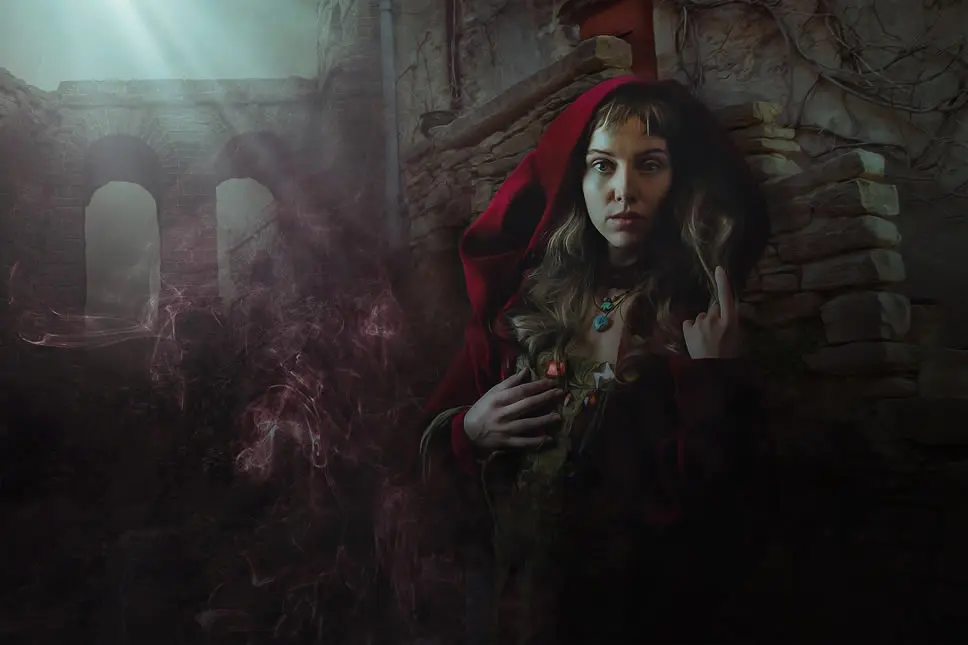
However, it is undeniable that the fantastical and magical aspects of Druidism continue to captivate and enchant many people. The magical worlds depicted in tales and legends often draw inspiration from Celtic and medieval beliefs, creating a universe where the lines between reality and imagination blur.
Who among us hasn’t been enchanted by the tales of Merlin and the knights of the Round Table, or the humorous adventures of Getafix and his magic potion in Asterix and Obelix? These stories transport us to a fantastical realm where magic and adventure intertwine, sparking our imagination and wonder.
In this magical world, we encounter a multitude of fantastical creatures and monsters from Celtic tales and legends: mysterious fairies, majestic unicorns, fearsome dragons, malevolent witches, enchanting elves, and powerful magicians. These mythical beings are an integral part of the Celts' mythological and cultural heritage, adding a magical and mysterious dimension to their rich tradition.
Donn Cuailnge
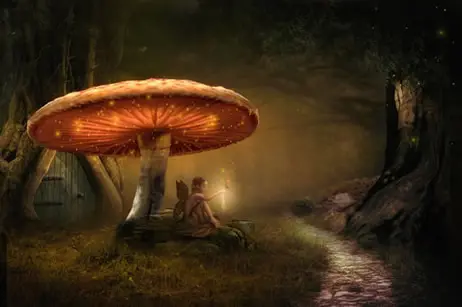
In Irish legends, Donn Cuailnge stands as a mythical and imposing figure, a bull endowed with remarkable intelligence surpassing that of mere mortals. His enigmatic presence pervades tales of bravery and adventure, captivating the imagination of storytellers and listeners for generations.
Beyond his prodigious physical strength, Donn Cuailnge is distinguished by his unique attributes, elevating his stature beyond that of a mere animal. According to the stories, he is known to mate with no fewer than fifty cows each day, a remarkable feat that attests to his extraordinary fertility. From these unions, calves are born the following day, evoking wonder and respect from humans who watch in astonishment at the extraordinary nature of this fabulous bull.
The tale of Donn Cuailnge is most famous in the context of the "Táin Bó Cúailnge" (The Cattle Raid of Cooley), an epic that constitutes one of Ireland’s most significant mythological cycles. In this saga, Donn Cuailnge becomes the prize in a war between the kingdom of Connacht, led by Queen Medb, and Ulster. The legend narrates how this bull, a symbol of power and prosperity, sparks envy and triggers an epic battle. His figure embodies not only brute strength but also a sacred connection to the land, reflecting Celtic beliefs that viewed animals as direct manifestations of the divine.
Donn Cuailnge, in his ability to generate life on a supernatural scale, thus becomes a living metaphor for fertility and the continuity of life, central themes in Celtic spirituality. His story also illustrates the tensions between kingdoms, human ambitions, and the forces of nature, universal themes that still resonate in Irish culture today.
The addanc
In the epic tales of Welsh and British legends, the addanc emerges as a terrifying and merciless creature, spreading fear in the distant lands where its sinister shadow looms. This hybrid creature, part dragon, part crocodile, part beaver or dwarf, embodies the essence of evil, unleashing its devastating fury on all that dares to cross its path.
Nestled at the heart of a dark and mysterious lake, the addanc reigns supreme over its aquatic domain, jealously guarding its secrets and treasures. Like a relentless predator, it silently watches, ready to pounce on its prey with unyielding brutality. No living being is safe from its vicious attacks, and those who venture too close to the murky waters of the lake risk becoming its prey with no hope of survival.
The addanc, sometimes known as "Afanc" in certain versions of the legends, is often associated with specific locations, such as Lake Bala in Wales. In these tales, it symbolizes hidden dangers and the destructive power of the wild, recurring elements in Celtic mythology. The ancient Celts saw these creatures not only as manifestations of evil but also as guardians of ancient secrets, untamed forces that only the bravest could confront.
In some versions of the legend, the addanc is defeated by a hero, often with the aid of cunning or magical forces, symbolizing the triumph of civilization over the wild and uncontrollable nature. However, its death is never final, reflecting the idea that danger and evil, like the dark waters of the lake it inhabits, can always resurface.
The Anguipede
In the legendary tales of ancient Gaul, the Anguipede emerges as an enigmatic and terrifying figure, evoking both fascination and dread in those who dare to speak its name. This hybrid creature, of impressive size, has a malformed head resembling that of an infant, while its body extends into a long serpent-like tail, giving it a grotesque and fearsome appearance.
Its mysterious origin and monstrous features make the Anguipede an emblematic figure in Gallic legends, symbolizing the dark forces and dangers lurking in the deepest recesses of human imagination. Representing a disturbing blend of innocence and malevolence, the duality of the Anguipede embodies the unknown, what is both foreign and terrifying.
It is said that its sinister presence haunts remote regions and deep forests, where it lurks in the shadows, silently waiting for its prey. Some believe that the Anguipede is a manifestation of angry nature spirits, seeking to punish those who disturb the sacred balance of the Gallic forests. In other traditions, the Anguipede is associated with ancient chthonic gods, the underground deities who guard the secrets hidden beneath the earth.
Accounts from those who have crossed paths with the Anguipede are rare and often tinged with superstition and fear. Some claim to have been enchanted by its hypnotic gaze, while others report being pursued by its menacing silhouette through dark woods. These stories fuel the legend, enhancing the aura of mystery surrounding this creature. Regardless of the truth behind these tales, one thing remains certain: the Anguipede remains a legendary being, symbolizing the unfathomable mysteries and hidden dangers that populate the universe of Celtic mythological narratives.
The Aos Sí
In the legendary tales of the Gaelic Celts, the Aos Sí, also known as the Aes Sidhe, looms as a mysterious and supernatural people, weaving their existence into the forgotten corners of green hills and ancient tumuli scattered across the rolling landscapes. These ethereal beings, whose beauty and grace surpass human comprehension, embody the very essence of magic and mystery.
The Aos Sí is an ancient people, whose origins trace back to time immemorial when the earth was imbued with primordial magic. Some tales describe them as descendants of the Tuatha Dé Danann, a divine people who, after being defeated, withdrew into the underground world, thus becoming the protectors of the hills and sacred lands. Their enigmatic presence is steeped in mysticism, and their connection to sacred sites and ancient locations endows their existence with an aura of veneration and respect.
It is said that these celestial and capricious beings sometimes interact with the mortal world, but their intentions often remain shrouded in mystery. They may bestow blessings or curses, offer protection or sow discord, depending on their fickle moods and their elusive understanding of human affairs. Therefore, it is crucial for mortals to approach them with great caution and to respect the rituals dedicated to them, as disrespecting the Aos Sí could lead to dire consequences.
Accounts of encounters with the Aos Sí are filled with wonder and awe, but also with caution and respect. It is said that the fairies of the Aos Sí may grant extraordinary gifts, but these presents are often accompanied by strict conditions, the violation of which could result in an eternal curse. Their presence in the stories and legends of the Gaelic Celts attests to their status as guardians of ancient traditions and forgotten secrets. They also symbolize the unbreakable connection between the natural and supernatural worlds, reminding humans that magic and mystery are ever-present, just beyond the veil of reality.
The Banshee
In Irish folklore, the Banshee emerges as a mysterious and powerful figure, weaving her presence through the ethereal mists that separate the world of the living from that of the dead. This supernatural woman embodies both magic and fate, acting as a messenger from the celestial realms and bearer of ominous omens for those she chooses to visit.
Her captivating appearance and melodious voice mesmerize those unfortunate enough to encounter her, but beneath her allure lie mysterious and often sinister intentions. The Banshee can appear in various forms, sometimes as an old woman with piercing eyes and snow-white hair, or as a young woman of enchanting beauty that rivals the moon’s glow. Some tales even depict her as a spectral figure, a blurred silhouette draped in a long white shroud drifting in the night breeze.
As a formidable enchantress, the Banshee possesses extraordinary powers allowing her to manipulate reality at will. She can invoke incurable diseases, create deceptive illusions, or even summon spectral armies to carry out her dark designs. It is said she has the power to transform elements, turning stones into sheep or producing gold from the depths of the earth. However, despite these abilities, her primary role remains that of a death prophetess, a being who heralds the inevitable with her mournful wail.
An encounter with the Banshee is always an ill omen, a silent warning of imminent death hanging over those who have had the misfortune of crossing her path. Her eerie cry, often described as a wail or piercing scream, echoes through the darkness of night, signaling the unavoidable journey to the other world for those whose fate is sealed. In some traditions, she only announces death to members of ancient noble families of Ireland, emphasizing her deep connection to the past and ancestral lineages.
The Cat Sith
In the mysterious realms of the Scottish Highlands, the Cat Sith, or Cat Sidhe, prowls like a shadow through the dense mists and wild moors, evoking both fascination and apprehension in those who encounter it. This spectral feline, with its deep black fur and a single white spot on its chest, recalls ancient tales of witchcraft and dark magic that haunt the most remote corners of human imagination.
Legends surrounding the Cat Sith suggest it might be the result of a curse or a transformation, perhaps that of a witch condemned to roam in animal form for eternity. Some tales go so far as to say that the Cat Sith is actually a fairy in disguise, or even a creature from the underworld, a psychopomp guiding souls to the afterlife. Its sleek silhouette and gleaming fur lend it an appearance that is both majestic and unsettling, enhancing its reputation as a supernatural being with mysterious powers.
It is said that the Cat Sith roams the desolate moors and misty valleys under the moonlight, silently observing those who dare to venture into its territory. Its presence evokes the mystery and magic of the Highlands, fueling superstitions and tales of strange encounters in the smoky taverns of remote villages. Some believe that crossing paths with the Cat Sith can signal imminent death, especially if its sinister meow is heard in the night. However, in some traditions, it is also seen as a guardian, watching over households that honor ancient customs, particularly during the Samhain festival, where it might come to claim an offering of milk.
Although the Cat Sith is often associated with misfortune and death, some stories suggest it can also bring protection and goodwill to those who respect the old rituals and Highland traditions. Whatever the truth behind these tales, one thing remains certain: the Cat Sith continues to be an emblematic figure of Scottish folklore, symbolizing the close link between humans and the mysterious world that surrounds them.
The Cuelebre
In the depths of Spanish Celtic legends lies the Cuelebre, a mythical creature as majestic as it is formidable. Taking the form of a winged dragon-serpent, its massive body is covered in shimmering scales that range from vibrant greens to fiery reds, reflecting the wealth of its aquatic realm.
Imposing and feared, the Cuelebre roams the forgotten corners of the Asturian and Cantabrian lands, a dreaded guardian of treasures hidden in the marine depths or nestled in the heart of the mountains. Once mature, it gracefully dives into the abyssal waters, where it jealously guards the submerged riches, fiercely protecting them from anyone who dares to covet them. Its robust wings allow it to move both in the air and underwater, making it an unrelenting and elusive predator.
Legend has it that the Cuelebre is voracious, feeding on both the souls of the deceased and the bodies of the living. Its insatiable appetite drives it to hunt its prey with startling ferocity, emerging from tumultuous waves or deep caves to capture its victims with its sharp fangs and fearsome claws. It is said that its poisoned breath can wither plants and taint the air, making the places it inhabits even more sinister.
Despite its terrifying nature, some versions of the legend suggest that the Cuelebre can be appeased or even lulled to sleep by a specific offering, such as milk or pastries, allowing the bravest to approach the treasures it guards. However, these tales also warn of the Cuelebre’s cunning, which will not hesitate to devour those who are too bold.
The Dullahan
In the darkness of Irish mythology, the Dullahan, or Gan Ceann (Headless Ones), lurk as enigmatic and terrifying entities that could be described as solitary fairies. With a macabre and merciless nature, they haunt the desolate roads and winding paths of the Emerald Isle, spreading terror in their spectral wake.
The Dullahan are known for their grotesque appearance and their ability to wield their own head as a plaything or a macabre trophy. Their head, often described as decaying, with eyes rolling in their sockets and a mouth frozen in a demonic grin, emits a faint glow that allows them to see in the deepest night. They ride through the darkness on infernal steeds, black horses with glowing eyes and nostrils spewing flames, driven by a whip made from a human spine, a grim testament to their evil nature.
No human force can withstand their passage, as only gold, often in the form of small coins, and sacred light can repel them back into the darkness from whence they came. Some tales state that the appearance of a Dullahan is always followed by imminent death, its arrival seen as an infallible omen of demise. The Dullahan never speaks except to call the name of its next victim, which immediately seals their fate.
The Dullahan feed on the fear and agony of their victims, leaving in their wake only mournful souls and lifeless bodies, their own retribution against those who have the misfortune of crossing their path. Their bloody and merciless legend has undoubtedly inspired later tales, such as that of the headless horseman, but their essence remains deeply rooted in Irish folklore, reflecting human fascination with the supernatural and the unspeakable.
The Faerie Folk
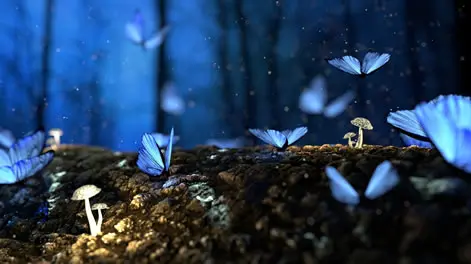
In Celtic mythology, fairies are enigmatic and enchanting figures whose magic and grace transcend the boundaries of the real world. Their origins are shrouded in the mists of time, imbuing Celtic folklore with their mystical and fairy-like presence. These anthropomorphic beings, often female, possess an enchanting power capable of subtly and profoundly influencing the fate of mortals.
In ancient tales, fairies are frequently depicted as guardians of nature’s forces, associated with ancient trees, tumultuous rivers, and shadowy glades. Their gifts are varied: they can bestow blessings upon newborns, perform miraculous healing, or cast enchanting spells at will. Their diaphanous wings, sometimes as delicate as flower petals, allow them to fly through the air, while their esoteric knowledge makes them formidable in the eyes of humans. Fairies are often portrayed wearing garments made of leaves and flowers, emphasizing their connection to nature.
However, the nature of fairies is ambivalent, swinging between benevolence and malice. Some are helpful and caring towards humans, guiding them through life’s journey or protecting them from the world’s dangers. They might also offer valuable advice or gifts in exchange for simple offerings. Others, however, take delight in playing cruel tricks, sowing chaos and confusion in their wake. They are known for their pranks and manipulations, creating situations where travelers lose their way or farmers find their crops mysteriously disappearing.
Deep forests, isolated glades, and sacred hills are often considered the favored abodes of fairies. Druids, keepers of ancient wisdom, know the sacred rituals to commune with these magical beings, respecting the natural sanctuaries where fairies reside in harmony with the surrounding ecosystem. Ancient stones, stone circles, and venerable trees are commonly associated with fairy encounters, and traditions advise not to disturb them to avoid their wrath.
In the Arthurian cycle, iconic figures such as Morgan le Fay and Viviane embody the power and mystique of fairies. Their influence on the destinies of the Knights of the Round Table reflects their importance in medieval mythology, where the boundaries between the mortal world and that of the fairies remain porous, imbued with mystery and wonder. Morgan, often depicted as a powerful and ambivalent fairy, and Viviane, the Lady of the Lake, whose role is crucial in Arthur’s destiny, illustrate how fairies can shape events and human lives in profound and complex ways.
The Fomorians
In Irish legends, the Fomorians emerge from ancient tales like shadows from the past. Their origin is cloaked in mystery, with some considering them as hybrid beings, halfway between humanity and divinity, having emerged on Ireland’s green lands after the flood, a cataclysmic event marking a major turning point in the world’s mythological history.
In stories and legends, the Fomorians are often described with terrifying features: a single piercing eye, a powerful arm, and a dark leg. This depiction underscores their demonic nature and their deep connection to darkness. Their imposing stature, sometimes compared to giants, reinforces their image as formidable and threatening creatures that permeate the tales of their time.
As formidable warriors, the Fomorians fiercely battled other peoples of Ireland, particularly the Tuatha Dé Danann, in epic confrontations. These battles are often depicted in tales where the Fomorians spread terror and chaos in their wake. Their legendary battles, such as the Battle of Magh Tuiredh, have shaped the island’s history, influencing its inhabitants and leaving behind a legacy of legends and myths.
Despite their status as ruthless warriors, the Fomorians remain ambiguous figures in Irish mythology. Their nature and motivations are subject to interpretation. Some stories present them as almost tragic figures, victims of circumstances or curses.
Other magical beings
It is essential to reserve a portion of our imagination for other, somewhat more familiar creatures, albeit briefly:
Dwarves, these small yet talented craftsmen, inhabit the depths of the earth. They guard their treasures and ancestral secrets jealously, often hidden in mysterious caverns. In Celtic mythology, as well as in Norse and Germanic tales, dwarves are renowned for their skills in smithing and metallurgy, creating artifacts of unparalleled power and beauty. Their existence evokes an underground world rich in mysteries and magic, where legends of artifacts like Thor’s hammer or magical rings blend with tales of lost knowledge.
Giants, on the other hand, occupy a unique place in legendary narratives. Their colossal size elevates them above mortals, and their titanic feats are often at the heart of myths, symbolizing raw power and the vastness of natural forces. Whether in Celtic mythology or Scandinavian tales, their presence serves as a reminder of the ongoing struggle between the forces of chaos and order.
Elves, graceful and ethereal, populate our dreams with their enchanting beauty and ancient wisdom. Their habitats in ancient forests and isolated glades reflect the intimate connection between humanity and the natural world. Their subtle magic, whether benevolent or capricious, inspires wonder and fascination. In Celtic folklore, elves are often associated with the Sidhe, fairy beings who guard the secrets of nature and ancient sacred places.
Gnomes and leprechauns, mischievous and playful, brighten our stories with their joyful presence. They bring laughter and good cheer, adding a touch of lightness and whimsy to our world. Their playful nature, while potentially troublesome, invites escape into a realm of mystery and humor, celebrating the beauty of small things and everyday wonder.
And how can we forget the illustrious Knights of the Round Table? These valiant heroes, whose epic deeds have shaped the collective imagination for centuries, embody the honor and bravery of a mythical age. Their epic quests, legendary battles, and the influence of Merlin, the wise enchanter, light their path with wisdom and magic. These tales, rooted in Arthurian traditions, remind us of the depth of medieval myths and their enduring influence.
Finally, iconic figures from modern fantasy literature, such as Gandalf from "The Lord of the Rings," resonate with the image of the druid. These characters embody ancient wisdom and magical power in a world beset by chaos. Their epic adventures and mythical encounters transport readers to an enchanting universe where the boundary between reality and imagination blurs, offering a refuge of wonder and escape.
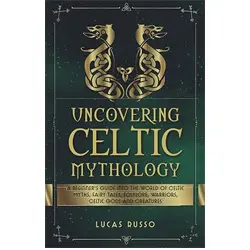
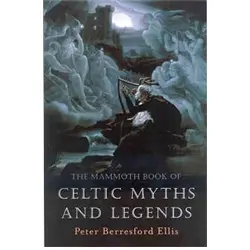
To learn more about Celtic mythology, we recommend you the following books:



OUR SERVICES
Customer reviews
Custom order
FAQ
Free shipping
Terms and conditions