






The Symbolism of Stone Colors
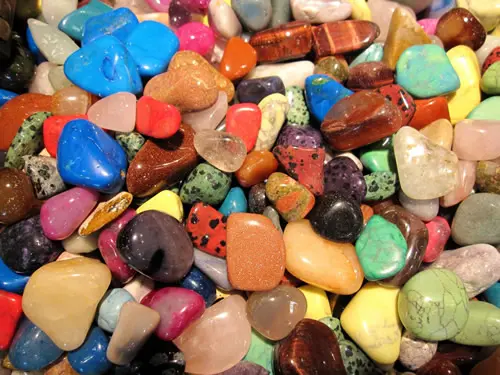
Just as flowers carry a message, the colors we wear speak about us. They reflect our personality, our emotions, and our state of mind. Each color holds a deep symbolic meaning that has taken shape over the course of human history and through our shared relationship with the mineral world. It is this historical link — this enduring fascination with stone, its hues, and the meanings humanity has attributed to them — that interests us here. We therefore describe the symbolic role of colors from a cultural and historical perspective, without claiming esoteric truths. However, as observers curious about the evolution of beliefs, we also acknowledge these interpretations as part of the long-standing relationship between human beings and stone. Among them is the idea that the colors of gemstones might influence our emotions, thoughts, or actions. For millennia, various civilizations have associated colors with particular energies, perceiving them as subtle modes of communication between the individual and their environment.
We are naturally drawn to certain colors that resonate with our inner state. This choice is far from trivial: it is often guided by the unconscious, which seeks chromatic harmonies capable of answering our emotional and psychological needs. When we create or wear a piece of jewelry based on a color that moves us, we express both our personality and a form of energy that we project into the world, shaping the way others perceive us.
Wearing a colored piece of jewelry or a stone with a pronounced hue can also influence the way we feel in our daily lives. Bright colors such as yellow or orange are often perceived as energising, encouraging optimism, vitality, or confidence. Conversely, softer tones like light blue or pale green create a soothing atmosphere, one that favours calm, serenity, or recentring. In practices of energy-based healing, colors are selected according to the effects they are believed to induce in the person who wears them.
In conclusion, the colors we choose to wear are not merely an aesthetic preference: they also act as mirrors of our inner state. They express our emotions, our needs, and the disposition of the moment. By choosing colors that resonate with our deeper nature, we can not only affirm who we are, but also influence our mood, our behaviour, and the way we interact with our surroundings.
Note:
- The meanings attributed to colors vary widely across cultures. Each society, shaped by its history, traditions, and beliefs, develops its own relationship with color. For example, in China, red evokes luck and prosperity, while in the Western world it is traditionally linked to passion, love, or sometimes aggression.
- The chromatic composition of a stone also plays an important role. A monochrome stone generally carries a more precise meaning, whereas a multicolored stone may combine several symbolic or emotional dimensions. While this diversity can blur the clarity of a single message, it can also enrich interpretation and offer a broader vision of the energy associated with the stone. As each shade contributes its own vibration, polychrome stones become multifaceted vessels of symbolic expression.
Symbolism and properties of black stones
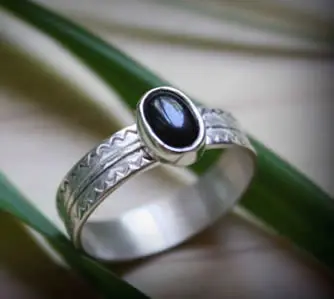
Essentials: Black stones, such as onyx or black diamonds, are often linked to ideas of mystery, strength, or elegance. They can also be associated with grounding or transformation, as their deep color evokes discreet yet steady forces.
Psychology of black
Black is a color whose meanings vary greatly depending on the period and the context. Often perceived as a serious, composed shade, it evokes stability, balance, or a certain gravity that gives it a solemn presence. It can also suggest a sense of security, prestige, or exclusivity, which explains its use in dress codes associated with luxury or distinction — evening attire, official uniforms, judicial robes, or elegant cars.
Once linked to ideas of renunciation or austerity, as seen in religious clothing, black gradually acquired a more modern status as a symbol of power and sophistication. Its ability to absorb all light gives it a calming, almost neutralising visual effect, smoothing or tempering excess.
This same absence of light is also what makes black a color long associated with mourning, sadness, or the shadowed realms of the unknown. It can evoke the mysterious side of the world, sometimes connected to notions of rebellion or dissent — as reflected in the imagery of pirates, certain countercultures, or movements that have chosen black as a sign of rupture.
Lithotherapy and benefits of black stones
In lithotherapy, black stones are generally viewed as protective supports. They are said to have the ability to absorb negative influences, stabilise emotions, or reinforce self-discipline. Their dark hue is often interpreted as a symbol of inner depth, introspection, or personal transformation.
These stones are also described as encouraging a sense of security, helping one face everyday challenges with greater emotional steadiness. They are sometimes associated with the idea of preserving one’s inner space, gaining a clearer understanding of one’s own patterns, and approaching change with greater clarity.
Black color in different cultures
In ancient Egypt, black carried a strongly positive symbolism. Its visual resemblance to the fertile soil of the Nile explained why it became associated with ideas of fulfilment and success, a meaning reflected in expressions sometimes translated as “bringing something to completion.” This interpretation, highlighting strength and constancy, appears across various cultures over the centuries.
In China, black was linked to iron, a material symbolising uprightness, perseverance, and moral solidity. This connection between color and metal evokes inner strength, integrity, and steadfastness — values traditionally held in high regard.
In much of Africa, as well as in certain Asian countries such as Vietnam, the color of mourning is not black but white. This difference shows how widely symbols can vary: white there represents purity or peace, qualities associated with the passage to the afterlife.
In Japan, black occupies an important place in certain traditions, particularly within Zen, where it evokes sobriety, simplicity, and concentration. The dark garments worn by monks reflect a deliberate choice of restraint and a return to the essential.
In Native American cultures, black is often regarded as a protective color. It appears in certain forms of body paint or ritual practices, where it is used to create a sense of safety or to affirm continuity with ancestors.
In the Western world, black retains a marked ambivalence. A sign of mourning or mortality, it is also an emblem of refinement and restraint in the world of fashion, where it remains associated with the understated elegance of formal attire and timeless silhouettes.
Examples of black stones
Astrophyllite, black kyanite, ilvaite, black jasper, nuummite, black obsidians, black onyx, shungite, black spinel, black tourmaline, etc.
Symbolism and properties of blue stones
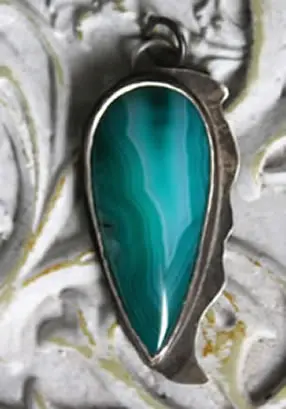
Essentials: Blue stones, such as sapphire or aquamarine, have long been associated with notions of calm, wisdom, and authentic expression. They often evoke serenity, inner harmony, and a certain mental clarity, while also suggesting values such as truth, loyalty, and emotional transparency.
Psychology of the color blue
As the color of the sky and the deep sea, blue naturally evokes the idea of infinity, tranquillity, and introspection. It inspires a reflective, composed state of mind, a sense of inner peace that opens the way to clarity. Because it soothes and softens the atmosphere, it is often associated with meditation, calm creativity, and openness of spirit.
It is also linked symbolically with trust and loyalty, values reflected in the way this color shapes domestic or professional environments. In a space decorated with blue, communication can sometimes feel smoother, more honest, which explains its frequent presence in places devoted to relaxation or contemplation.
Yet blue is not without its ambiguities. Some of its shades are associated with feelings of melancholy, as suggested by common expressions referring to “the blues.” This emotional tint, fluctuating between calm and sorrow, reinforces the idea that blue carries a nuanced symbolism, blending gentleness with introspective depth. In certain contexts, it may even be perceived as a cold color or, more rarely, one associated with misfortune.
Lithotherapy and benefits of blue stones
In the field of lithotherapy, blue stones are often presented as allies of calm and emotional balance. They are said to accompany moments of tension by creating a sense of gradual release. Many use them to encourage a form of inner serenity, particularly during meditative practices.
They are also attributed with the ability to bring a certain mental clarity: they are said to help dispel tangled thoughts and illuminate decision-making, encouraging a more composed approach guided by logic or wisdom rather than impulse.
Blue stones are also linked to personal expression. They are believed to help overcome communication blocks, making speech smoother and more sincere, while supporting a clearer affirmation of one’s inner truth.
In some contemporary traditions, these stones are associated with intuition or a subtler understanding of spiritual dimensions. They are then considered as supports for inner exploration.
Their protective role is also mentioned: many modern practices describe them as useful for maintaining a clearer emotional and spiritual atmosphere, helping to keep at a distance influences perceived as disruptive.
The color blue in different cultures
Blue holds an important place in many traditions around the world.
In ancient Egypt, lapis lazuli — a deep blue stone streaked with golden veins — was highly prized. It evoked the night sky and, by extension, immortality. It appeared in funerary objects intended to accompany rulers on their journey toward eternity.
In China, this color can evoke both turmoil and death, but also the world of spirits. This association reflects a complex vision of blue, oscillating between funerary symbolism and spiritual dimension.
In Turkey, Central Asia, and several Middle Eastern countries such as Iran or Afghanistan, blue is traditionally linked to mourning. This usage dates back to ancient practices and remains present in certain funeral rites.
In Buddhism, blue symbolises deep peace and wisdom. It is associated with the Buddha Akshobhya, a figure of unshakeable awareness able to remain steady at the heart of turmoil. This color is sometimes used in meditative practices to encourage inner calm.
In Hinduism, many deities — among them Vishnu and Krishna — are depicted with blue skin. This color evokes preservation, the primordial waters, and a protective divine presence. Blue is also linked to spirituality and appears in temples, rituals, and sacred adornments.
In Jewish tradition, blue symbolises divine glory and the purity of the heavens. It is common in ritual objects and textiles used in religious ceremonies, inviting the worshipper to contemplation.
In the Western world, blue is readily associated with tranquillity, gentleness, and peace. It is often used in interiors to create a calm atmosphere. Among English speakers, it is also connected to melancholy, which explains the frequent references to “the blues.”
Examples of blue stones
Blue agate, blue lace agate, aquamarine, angelite, blue apatite, blue aragonite, blue aventurine, benitoite, blue chalcedony, blue calcite, Celestine, chrysocolla, covellite, dumortierite, hemimorphite, blue kyanite, lapis-lazuli, larimar, blue opal, blue quartz, blue sapphire, shattuckite, sodalite, turquoise, tanzanite…
Symbolism and properties of light blue stones
Essentials: Light blue stones, such as aquamarine or blue topaz, are often associated with clarity, harmonious expression, and a form of inner serenity. Their hue evokes freshness, gentleness, and sometimes a sense of soothing purity.
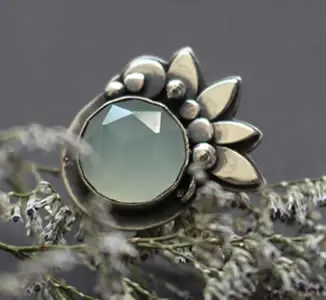
Psychology of light blue
Light blue, with turquoise as one of its most emblematic shades, is often perceived as a color linked to youth, communication, and openness to others. It suggests calm, well-being, trust, and a certain quiet strength. Its gentle brightness seems to encourage creativity and make dialogue easier.
Because it recalls the sea and the sky, light blue also carries a symbolism of freedom, space, and lightness. This tone, both fresh and calm, is frequently used to create an atmosphere conducive to reflection and mental rest, whether in interior design or in environments dedicated to concentration. It thus suggests a kind of inner breath in the midst of a sometimes demanding daily life.
In color psychology, light blue is generally considered soothing: it may help reduce mental tension and support gradual relaxation. It is also associated with creativity, fluid communication, and a form of self-confidence, which explains its frequent use in workspaces or in public environments.
Lithotherapy and benefits of light blue stones
In lithotherapy, light blue stones are often associated with emotional soothing and harmonious communication. They are frequently chosen to support a clearer expression of thoughts and feelings, while also encouraging more attentive listening toward others.
Stones such as aquamarine or chalcedony are renowned for their gentle nature: they are used to ease worries, soften inner tension, and promote a mental clarity that can be helpful when facing complex situations. Their presence may facilitate a calmer sense of perspective, allowing ideas to be expressed with greater precision and composure.
Light blue is also attributed with a subtle spiritual dimension, connected to refined intuition and a quiet form of inner awakening. These stones are sometimes used to accompany meditation, creating an atmosphere that supports inner stillness and harmony.
In certain contemporary practices, they are also described as protective: they are said to act as a soft filter, helping maintain a personal space shielded from disruptive influences, while gradually strengthening self-confidence.
Light blue in different cultures
Like many colors connected to the sky or water, light blue carries a rich and varied symbolism depending on the tradition.
In ancient Egypt, turquoise was especially prized. It was seen as a protective stone and appeared in many sacred jewels, where it could represent divine protection or cosmic harmony.
For several Indigenous peoples of the Americas, turquoise played an important role: it often symbolised the relationship between human beings and the natural elements — particularly the sky, water, or healing forces. It could also represent a form of spiritual protection.
In certain Islamic traditions, light blue — especially in the form of turquoise tiles — adorns mosques and evokes celestial serenity as well as the inner peace sought through prayer.
Light blue also appears in Buddhist practices, where it is associated with quiet wisdom and clarity of mind, two qualities sought in meditation.
In ancient China, this hue was linked to longevity and health. It frequently appeared in pottery or textiles, where it was believed to bring luck, protection, and vitality.
Examples of light blue stones
Aquamarine, chalcedony, blue calcite, labradorite, blue topaz, blue tourmaline, turquoise…
Symbolism and properties of dark blue stones
Essentials: Dark blue stones, such as sapphire or blue spinel, are often associated with notions of wisdom, truth, and loyalty. Their deep color can evoke stability, inner reflection, and a natural inclination toward introspection.
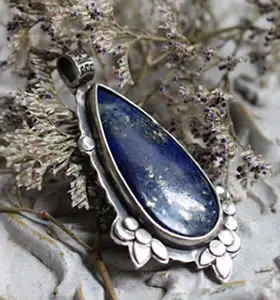
Psychology of dark blue
Dark blue, often compared to the color of the night sky, carries a symbolic dimension connected to the immaterial, to calm, and to moderation. This deep shade evokes the search for truth, inner listening, and the pursuit of a wisdom shaped by experience. It is also perceived as a sign of self-mastery and perseverance.
Its sobriety often inspires a sense of emotional stability, creating a mental space conducive to confidence and inner security. Dark blue thus accompanies those who seek inner peace, a more grounded mental discipline, or a clearer understanding of themselves. It invites one to approach complex situations with distance and balance.
In color psychology, this shade is generally considered soothing: it is said to help reduce stress and encourage deeper relaxation. It is also linked to more authentic communication, reliability, and a quiet sense of confidence. This is why it often appears in professional environments, where it can support clear thinking, a sense of responsibility, and a more composed approach to human relationships.
Lithotherapy and benefits of dark blue stones
In lithotherapy, dark blue stones are often associated with qualities linked to wisdom and inner harmony. They are also regarded as companions in the search for self-knowledge, especially when one seeks mental balance or wishes to clarify deeper motivations.
Stones such as sapphire or lapis lazuli are frequently used to encourage a finer intuitive perception or a more nuanced sense of discernment. They are said to help support thoughtful decision-making, distinguish the essential from the superfluous, and foster a clearer understanding of the complex situations one may encounter.
Their presence is sometimes described as soothing for turbulent emotions. They support a form of inner stability by helping to ease mental or physical tension. Many people choose them during periods of stress or confusion, hoping to find gradual relief and renewed clarity.
In certain contemporary practices, dark blue stones are viewed as protective: they are said to act as a filter against disruptive influences and help maintain a calm inner space. Their symbolic energy is associated with strengthening the aura and clearing emotional states.
Dark blue is also linked, in several traditions, to a deeper intuitive openness. These stones are often used in meditation to support concentration, encourage a sense of mental elevation, or open reflection to subtler dimensions of existence.
Dark blue in different cultures
The symbolism of dark blue varies widely across civilizations, yet it often revolves around ideas of wisdom, protection, and spiritual depth.
In ancient Egypt, lapis lazuli — one of the most emblematic dark-blue stones — was valued for its association with power, protection, and the divine. It adorned many ritual objects and sometimes accompanied pharaohs on their journey into the afterlife.
Among several Native American peoples, dark blue could suggest a form of spiritual protection. Certain stones, such as sodalite, were used in rituals intended to guide or support healing quests led by spiritual leaders.
In Tibetan Buddhism, dark blue is linked to Akshobhya, a figure of unshakable wisdom. The color evokes a sense of tranquility capable of transcending the world’s disturbances and a form of awareness that remains steady despite life’s constant movement.
In Christian tradition, dark blue appears frequently in medieval representations of the Virgin Mary, where it conveys purity, fidelity, and a sense of spiritual elevation. Its depth suggests truth and a calm yet enduring faith.
In the Islamic world, the presence of dark blue — particularly through ceramics and decorations inspired by lapis lazuli — is often associated with inner peace and the serenity of the soul. It is found in the ornamentation of many mosques, where it contributes to creating an atmosphere of contemplation.
Examples of dark blue stones
Azurite, labradorite, lapis-lazuli, blue sapphire, sodalite, blue tourmaline…
Symbolism and properties of brown stones
Essentials:Brown stones, such as smoky quartz or Tiger’s Eye, are often linked to ideas of stability, safety, and grounding. They also evoke strength, resilience, and a certain practical sense, as if their earthy hue suggested a deep connection with nature and its rhythms.
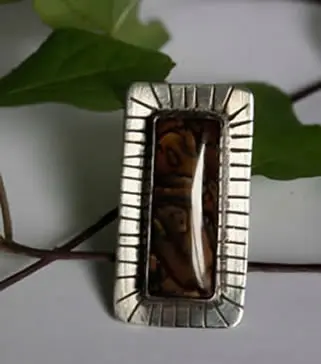
Psychology of brown
Brown maintains a very close connection with the earth, which explains why it is spontaneously associated in many cultures with stability, security, or solidity. Its color evokes deep roots that nourish and support, as well as fertile landscapes capable of sustaining growth. It is seen as a comforting, orderly shade that invites simplicity and conviviality. It carries a gentle warmth, recalling the intimacy of home or the tranquility of natural environments.
Like other colors linked to raw materials, brown can nevertheless be perceived differently depending on the context. When it becomes overly present, it may be interpreted as a sign of rigidity or restraint, or even as a lack of drive and enthusiasm. This nuance does not, however, diminish the widespread perception of brown as a bearer of reliability and steadiness — qualities that often contribute to creating peaceful, reassuring atmospheres.
In color psychology, brown is sometimes associated with pragmatism, a sense of responsibility, or a form of grounding in the concrete. It encourages thoughtful reflection, measured action, and points toward the tangible elements of existence, those that serve as stable reference points in daily life.
In decoration, brown is frequently used to create warm, enveloping atmospheres. It evokes wood, trees, soil, and more broadly the natural materials that structure our environments.
Lithotherapy and benefits of brown stones
Brown stones are often described in lithotherapy practices as sources of grounding or protection. They are mentioned for their role in emotional stabilization, inner calm, and a sense of balance between the physical and spiritual dimensions. Their symbolic link to the earth reinforces the idea that they may offer a feeling of security and continuity when facing the uncertainties of daily life.
They are also associated with effects related to mental stability. These stones are said to calm scattered thoughts or encourage a form of inner tranquility. Within these same traditions, brown stones are sometimes linked to perseverance, determination, and discipline. They are believed to support projects that require endurance, focus, or pragmatic decision-making.
The color brown in different cultures
The color brown is regarded in many cultures as a deeply natural tone, closely connected to the earth and to life itself.
Among many Native American peoples, for example, it is often associated with fertility, motherhood, and the protection offered by the nurturing earth. Certain rituals include elements of this color to honor Mother Earth, a figure linked to wisdom and generosity.
In Western societies, brown is frequently connected with work, simplicity, and resilience. It represents everyday life, practical effort, and continuity. In contemporary design, it is valued for its calming and natural character, capable of creating spaces that encourage relaxation or introspection.
In parts of Africa, brown can evoke the earth and the ancestors, reflecting an enduring bond between generations and traditions. It may symbolize a form of spiritual continuity, rooted in nature and in the forces that shape it.
In Buddhist symbolism, brown is often seen as a color of humility and a return to what is essential. It suggests asceticism, simplicity, and the idea of renouncing material concerns in favor of a life grounded in spiritual fundamentals.
Examples of brown stones
Brown agate, aragonite, axinite, petrified wood, bronzite, chiastolite, Tiger’s Eye, smoky quartz, stromatolithe, brown tourmaline…
Symbolism and properties of golden stones
Essentials: Golden stones, such as citrine or imperial topaz, are often associated, in various symbolic traditions, with wealth, prosperity, and abundance. They can also evoke self-confidence, success, or a form of mental clarity.
Psychology of gold
The golden hue, whose brilliance echoes that of the sun, has often been perceived in many cultures as a sign of spiritual wealth, illumination, or inner radiance. It can suggest prosperity, grandeur, luxury, vitality, and a certain form of optimism. It is sometimes associated with qualities such as creativity or clarity of mind.
In living or working spaces, gold tends to create a warm and refined atmosphere, enhancing the impression of brightness and elegance.
Gold is rarely linked to negative notions, except when it is interpreted as a symbol of excess or greed.
In color psychology, this shade is often described as stimulating: it may encourage self-confidence and support motivation, while fostering a more vivid perception of ideas and goals.
Crystal healing and benefits of golden stones
In the field of lithotherapy, golden stones — such as citrine, pyrite, imperial topaz, and others — are often mentioned for their symbolic links to abundance and success. They may accompany personal work aimed at clarifying one’s intentions, strengthening self-confidence, and encouraging a constructive approach to both personal and professional projects.
These stones are sometimes appreciated for supporting self-esteem and motivation, inviting independence, perseverance, and the ability to overcome various obstacles. Certain traditions also attribute to them a beneficial influence on vitality, particularly in relation to inner strength or stress management.
They are likewise seen as symbolic allies against negativity: their radiance, associated with the image of light, can represent the ability to ward off influences perceived as dark or disruptive, helping to establish an atmosphere of balance and harmony.
The color gold in different cultures
In ancient Egypt, gold held a privileged place among the symbols of divinity and immortality. Pharaohs and gods were often depicted with golden elements, recalling their connection to solar light, particularly that of the god Ra.
In medieval Europe, gold was the preserve of sovereigns and religious dignitaries. It evoked both earthly power and celestial protection; crowns, thrones, and sacred objects were often adorned with gold to embody this dual dimension.
In Chinese culture, gold was traditionally associated with the emperor, longevity, and the Yang energy, a symbol of light, warmth, and vital momentum.
In both Hinduism and Buddhism, gold refers to purity and spiritual knowledge. Statues of deities, as well as golden temples, evoke the idea of inner light and a path toward knowledge or liberation.
For some Indigenous cultures of the Americas, gold resonates with the nurturing earth and fertility. In art and craftsmanship, it can symbolize the generosity of the natural world and the intimate relationship that connects human beings to their environment.
Examples of golden stones
Citrine, pyrite, imperial topaz, gold, golden calcite, Tiger’s Eye, heliodor, golden amber, golden rutilated quartz, golden fluorite, etc.
Symbolism and properties of green color stones
Essentials: Green stones, such as emeralds or peridots, are commonly associated with nature, growth, and renewal. In many traditions, they are also linked to ideas of prosperity, abundance, and harmony, particularly when referring to emotional or physical balance.

Psychology of green
The color green is often perceived as being closely connected to the cycles of life, particularly to plant growth. As a hue associated with nature, it evokes fertility, regeneration, and that vital force found in flourishing landscapes. By extension, it can also suggest youth, renewal, and a form of spontaneity, establishing a link with ideas of learning or rebuilding. In many contexts, it is considered a color of balance: it can inspire serenity, calm, and a harmonious atmosphere, while bringing a sense of softness to its surroundings.
Green also conveys values of hope and abundance, as if its presence reflected ongoing growth. Olive green, more muted, is traditionally associated with peace or reconciliation, and it is often used in meditative or symbolic settings intended to encourage inner balance.
However, certain shades can carry more ambivalent meanings. Dark green is sometimes linked to states such as excessive ambition, jealousy, or greed. Yellow-green, meanwhile, may evoke instability, illness, or discord. This duality also appears in the association of green with inexperience or naïveté, perhaps due to the image of fruits that have not yet ripened. Thus, the color green spans a wide spectrum of perceptions, ranging from vitality and generosity to notions of ambition or deceit.
In interior design, green is widely appreciated for creating soothing or refreshing atmospheres, reminiscent of the tranquility of nature.
Lithotherapy and benefits of green stones
In lithotherapy, green stones are often linked to the heart, understood as the seat of benevolent love and emotional balance. They are frequently described as encouraging inner stability and a gradual sense of calm, while also being associated with physical well-being. They are sometimes said to support good fortune, prosperity, or abundance.
Their symbolic connection with growth makes them especially present in narratives of personal transition: they can accompany periods of renewal by fostering a more serene attitude toward change. They are also associated with the idea of recovery, whether this refers to a process of physical regeneration or emotional soothing, particularly when past wounds call for healing or release.
The color green in different cultures
In Chinese thought, green is associated with the Wood element, symbolising growth, vitality, and expansion. It is also linked to the East, a direction traditionally connected to beginnings and renewal. Green is often used in homes to attract good fortune or protect the household. Some doors are painted green, believed to bring benevolence and prosperity to the inhabitants.
In Irish and English folklore, green is closely connected to fairies, leprechauns, and, more broadly, tales of natural magic. Celtic tradition links it to fertility, nature, and a special kind of enchantment found in deep forests. Supernatural beings are often depicted wearing green, blending into the vegetation. Green is also one of Ireland’s emblematic colors, especially celebrated on Saint Patrick’s Day, symbolising both national identity and luck.
In many Islamic countries, green holds an important place. It is often associated with nature, fertility, and life, and is frequently seen in the decoration of mosques and sacred spaces. This connection is sometimes linked to the banner attributed to the Prophet Muhammad, traditionally shown with a green background. In the Quran, green appears in descriptions of paradise, where the blessed wear green silk garments, which may explain the enduring association of this color with abundance and eternal life.
Among the Maya and Aztecs, green was one of the most precious colors. The Maya associated it with jade, a sacred stone representing life, fertility, and a sense of eternity. Green also symbolised water and vegetation, essential resources in their agrarian societies. Beyond these natural meanings, green was a mark of prestige, reserved for high-ranking individuals. Among the Aztecs, green was connected to Quetzalcoatl, the feathered serpent god, symbolising wisdom, rebirth, and immortality. It became a color both spiritual and closely tied to the cycles of the earth.
In medieval Europe, green had a dual dimension. It represented nature, fertility, and youth — an image reinforced by figures such as Robin Hood, a symbol of freedom in the forest. But it could also be perceived as an unstable color. Its difficulty to be reproduced durably in dyes gave it an uncertain reputation, sometimes linked to poison or disease. This ambiguity explains why green was often attributed to characters with a form of duplicity or danger in medieval tales, notably witches or cunning figures.
Examples of green stones
Moss agate, amazonite, aventurine, green calcite, green chlorite, chrysocolla, chrysoprase, diopside, emerald, epidote, fuschite, heliotrope, jadeite, nephrite jade, malachite, moldavite, peridot, prehnite, prase quartz, green sardonyx, seraphinite, serpentine, green tourmaline, tsavorite, vesuvianite…
Symbolism and properties of grey stones
Essential:Gray stones, such as moonstone or labradorite, are often associated in various symbolic traditions with intuition, mystery, and processes of transformation. They can also evoke balance, protection, and a form of inner strength.
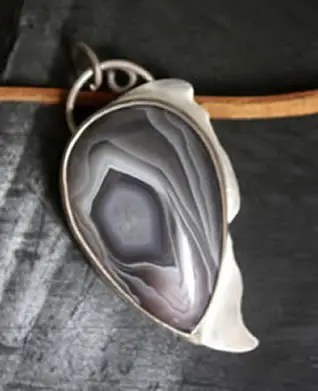
Psychology of grey
Gray, situated between black and white, often evokes the idea of nuance and compromise. This shade can suggest maturity, wisdom gained over time, or reliability. It sometimes recalls the discreet prestige of graying hair, as well as the sobriety of professional suits that became standard from the 1930s onward.
Depending on the context, gray can also be perceived differently: some see it as an absence, a color stripped of strong tones, neither dark nor bright.
In color psychology, gray is often regarded as a neutral, reserved shade, conducive to concentration. It is sometimes described as calming, capable of creating a stable, secure, and peaceful atmosphere. Conversely, its subtlety can also be interpreted as a lack of dynamism, an understated tone that does not evoke strong emotions.
In design and decoration, gray is widely used to establish an elegant, timeless, and balanced atmosphere, thanks to its ability to harmonize with a wide variety of styles.
Lithotherapy and benefits of grey stones
In the practice of lithotherapy, gray stones are often presented as carriers of stabilizing energies. They may support the calming of thoughts, facilitate introspection, or assist during periods of personal transition. Their neutral tone is commonly associated with a form of recentring and emotional harmonization.
These stones are sometimes chosen to encourage a more nuanced perception of situations and thoughtful decision-making. Their discreet nature is also described as a symbolic support for dispelling tensions or influences considered disruptive, while promoting lasting emotional stability.
The color grey in different cultures
Among some Native American peoples, gray was sometimes interpreted as a symbol of friendship and harmony between communities. Its neutrality reflects the importance of cooperation and solidarity, as well as a form of collective maturity based on the ability to take a step back. It could also appear in ritual contexts aimed at marking unity and fraternity.
In Hinduism, gray is sometimes associated with the incense smoke rising toward the sky, carrying prayers. This color can evoke meditation, serenity, and purification, particularly in spaces dedicated to deities where a peaceful and protective atmosphere is sought.
In the West, gray has often taken on a more melancholic dimension. It is regularly associated with sadness, monotony, or rainy days, but also with a certain indecision, as it lies between two extremes. This perception does not prevent the color from being valued in art or fashion, where it sometimes embodies a form of elegant restraint.
In China, gray can represent a balance between yin and yang, symbolising moderation, harmony, and the transition from one state to another. This transitional shade, placed between light and dark, illustrates the subtle dynamics of change.
In Japan, gray — called nezumi-iro, literally “rat color” — is traditionally associated with simplicity, humility, and discipline. In Noh theatre, gray costumes reflect a form of inner calm, while in martial culture, this color can evoke the self-mastery prized by samurai.
Examples of grey stones
Botswana agate, hematite, labradorite, snowflake obsidian, galena, pyrite, grey moonstone, smoky quartz, gabbro, hawk’s eye...
Symbolism and properties of orange stones
Essentials:
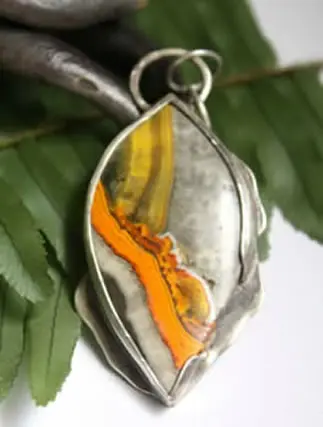
Orange stones, such as fire opals or carnelian, are often associated in many traditions with creativity, passion, and enthusiasm. They can also evoke warmth, vitality, and a certain sense of courage, although these interpretations vary depending on the historical period and cultural context.
Psychology of orange
Between red, often seen as a color of energy, and yellow, associated with growth and flourishing, orange can appear as a breath of life. It is frequently described as the color of rebirth, renewal, and balance. It is commonly linked to joy, enthusiasm, and playfulness. Orange is said to symbolize vitality and endurance, carrying the warmth of red while remaining softer and less intense.
Orange is sometimes interpreted as the color of material pleasure, sociability, friendship, and spontaneity. It can evoke exploration, curiosity, and encourage creativity. It is also connected to awakening and desire — whether the desire for life, nourishment, or sensuality.
In some approaches, orange is considered stimulating for both mind and body, fostering positive emotions such as optimism and motivation. In color psychology, it is used to counterbalance states like mental fatigue or melancholy. Marketing often employs it to suggest friendliness and approachability, particularly in the food and leisure industries.
However, the symbolism of orange is not uniformly positive. In certain cultures or contexts, it can carry more ambivalent meanings: its intensity may seem unstable, impulsive, immature, or aggressive. Its brightness, hard to sustain in large amounts, can suggest overexcitement or a form of eccentricity. Additionally, orange is used in visual codes for warnings because of its high visibility and luminosity.
Lithotherapy and benefits of orange stones
In lithotherapy, orange stones are often highlighted for the effects traditionally attributed to them on both emotional and physical levels.
They are commonly associated with stimulating imagination and awakening creativity, making them especially valued by artists or by those seeking to unlock their creative potential.
They are also said to play a role in balancing emotions, bringing a sense of warmth or inner stability. Their dynamic and luminous color is sometimes used to alleviate mental fatigue, depressive states, or melancholy.
On the physical level, these stones are frequently regarded as supportive for enhancing vitality and endurance. They are believed to stimulate the immune system and to provide energy, enthusiasm, and motivation during periods of fatigue.
The color orange in different cultures
In Hindu tradition, orange is associated with the second chakra, Swadhisthana, located in the lower abdomen. This chakra is connected to creativity, vitality, and sexuality. The color appears in clothing, ritual objects, and decorations to evoke the activation and balance of its energies. Orange is also considered a sacred color, linked to the purifying fire, symbolically relating it to inner quests or personal transformation. Wearing orange can also signify detachment from material desires in favor of a deeper spiritual pursuit.
Among Buddhist monks, orange similarly carries spiritual significance. Their robes recall Gautama Buddha’s renunciation of worldly life. Orange symbolizes purity, partly due to its closeness to the color of gold. These garments serve as a constant reminder of their commitment to the spiritual path and the pursuit of truth.
In China, within Confucian traditions, orange is associated with transformation. Red represents happiness, fire, and power, while yellow signifies nobility, light, and spirituality. Orange, lying between these two major colors, embodies a passage or change of state. It appears in wedding ceremonies to symbolize the transition from singleness to union, and in certain funerary rituals, where it evokes the transition between life and death. As in India, it is linked to the color of saffron, one of the most precious dyes.
In the West, orange is closely associated with autumn and celebrations such as Halloween. It evokes the end of a cycle, impermanence, and the passage of time. In several Native American cultures, orange holds important symbolic value, representing communication with the spiritual world and the unity between the material and the immaterial.
Examples of orange stones
Orange amber, bumblebee jasper, orange calcite, carnelian, orange disthene, fire opal, sunstone, spessartine, orange imperial topaz…
Symbolism and properties of pink stones
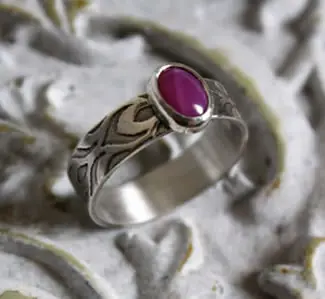
Essentials: Pink stones, such as rose quartz or pink tourmalines, are often associated with notions of love, compassion, and emotional comfort. They can also evoke gentleness, kindness, and a sense of inner support. These stones are frequently regarded as promoting emotional openness and the soothing of internal tensions, although these interpretations can vary across different eras and traditions.
Psychology of pink
Pink, frequently perceived as one of the emblematic colors of love and friendship, can evoke a controlled passion, subtle romance, or gentle seduction. Born from the combination of vibrant red and calming white, it often represents sweetness, tenderness, acceptance, compassion, and loyalty. It is also attributed qualities such as politeness, sensitivity, delicacy, and the ability to temper aggressive impulses. Many see it as a color that envelops, reassures, and provides a protective emotional space conducive to introspection.
However, pink is not without more ambivalent interpretations. Depending on the context, it can be associated with naivety, excessive sentimentality, or a certain superficiality. Its sometimes very light character may give the impression of a lack of grounding or difficulty in facing more pragmatic realities. When overused, it can even suggest an avoidance of responsibilities.
Pink is often used in environments designed to promote relaxation and calm, such as bedrooms or meditation spaces. It helps create a gentle atmosphere that supports emotional release. Additionally, this color is commonly associated with femininity and youth, which explains its recurring presence in fashion and beauty products.
In some psychological approaches, pink is considered a soothing color, capable of easing internal tension and supporting emotional healing. Several studies suggest it may help reduce stress or aggressiveness in emotionally charged environments, although these findings remain open to interpretation.
Lithotherapy and benefits of pink stones
In crystal healing, pink stones are often highlighted for the emotional and spiritual benefits traditionally attributed to them.
They are frequently described as helping to soothe heartaches and encourage both self-love and love for others. They are also said to support the acceptance of difficult or past experiences.
These stones are generally seen as conduits of openness, gentleness, and inner reconciliation. They are believed to help balance emotions, strengthen emotional bonds, and foster a more compassionate attitude.
Rose quartz, in particular, is often cited for its supposed ability to ease anxiety and create a sense of inner peace.
Pink stones are also thought to encourage a deeper connection with oneself and others, facilitating a smoother exchange of emotional energy.
The color pink in different cultures
In Japan, pink is inseparable from spring, due to the blooming of cherry trees that cover the landscape in delicate shades. The tradition of hanami—the viewing of flowers—makes it a symbol of fleeting beauty, renewal, and the fragility of life. In Europe and the United States, although green has historically been associated with spring, pink is often used to evoke the lightness, freshness, and brevity of the season.
In Chinese culture, pink is closely associated with femininity, delicacy, and beauty. It conveys harmony and balance in human relationships. This color frequently appears in wedding ceremonies, representing deep love, sincerity, and marital harmony. It also symbolizes the hope for a lasting and happy union.
In India, pink is often linked to happiness, prosperity, and joy. This vibrant hue evokes passion, vitality, and life energy. Pink plays a role in many religious ceremonies, representing purity and devotion. It is commonly used in rituals and offerings intended to honor deities, serving as a color of spiritual connection.
In several African cultures, pink is associated with healing, protection, and spirituality. It is considered a symbol of renewal and regeneration. It is sometimes used in rituals aimed at bringing peace and tranquility. Its gentle tone makes it a color linked to the balance of energies and overall well-being, both physical and emotional.
In the West, pink has traditionally been connected to femininity, tenderness, and innocence. It evokes softness, delicacy, and romantic love. Long associated with youth—particularly through fashion and products for children—it now enjoys more diverse uses. It appears in men’s fashion, artistic creation, and cultural movements questioning gender stereotypes. Nevertheless, pink still carries connotations of sentimentality or naivety, although these perceptions are gradually becoming more nuanced and evolving over time.
Examples of pink stones
Chalcedony, dandurite, pink fluorite, pink halite, kunzite, morganite, pink opal, petalite, rose quartz, rhodochrosite, rhodolite, rhodonite, pink sapphire, spinel, pink topaz, pink tourmaline…
Symbolism and properties of purple stones
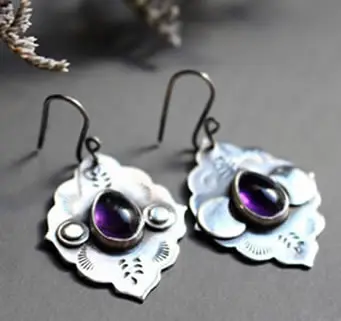
Essentials: Purple stones, such as amethysts or tanzanites, are often associated with concepts like spirituality, intuition, and a sense of mystery. They can also evoke royalty, luxury, and wisdom, due to their long history of use in prestigious contexts.
Psychology of purple
Purple is a color that has long captured the imagination due to its simultaneously deep and enigmatic nature. In many contexts, it is associated with wisdom, reflection, and concepts related to spirituality or mystery. It is sometimes seen as the color of clear-minded individuals and those in search of personal fulfillment, capable of evoking a sense of inner calm or discernment.
Purple emerges from the meeting of red, dynamic and vigorous, with blue, calm and introspective. This combination gives it a symbolic balance between energy and serenity, or between passion and restraint. It is a shade often found in creative or meditative spaces: it can encourage introspection, stimulate imagination, and open a space conducive to innovation.
In many European traditions, however, purple has not always been viewed positively. Certain periods associated it with sadness, penance, or even duplicity, due to its perceived closeness to black and mourning. This historical association sometimes continues to influence representations, particularly in contexts of vanity or jealousy. Today, these older perceptions coexist with more positive ideas: creativity, intuition, and inner transformation.
Lithotherapy and benefits of purple stones
In crystal healing, purple stones are generally described as having a calming effect on the mind. They are often associated with emotional balance and support for inner serenity. They can also be used in meditative practices, where they are believed to promote mental clarity, encourage introspection, and stimulate intuition. Amethyst, in particular, is frequently mentioned for its connection to imagination, inspiration, and creative processes.
In Western contexts, the symbolism of purple also extends to ideas of higher consciousness, a connection to the sacred, and spiritual seeking. This shade is often present in environments designed to foster contemplation or inner elevation.
The color purple in different cultures
In Japan, purple — murasaki — has long been associated with nobility. It was among the colors reserved for the imperial family and the elite, due to the rarity and high cost of purple dyes. Wearing purple signified high status and a form of prestige. At the same time, this color also occupies a role in mourning: it appears in funeral ceremonies or in floral arrangements intended to express respect and solemnity.
In various African cultures, purple is also linked to royalty and spirituality. Natural dyes, sometimes derived from logwood, were used to create garments for rulers or to decorate palaces and ritual sites. Purple could symbolize power, wisdom, or a closeness to the sacred. It also appears in certain funerary contexts, honoring the deceased and expressing grief.
In ancient Egypt, purple was a rare and precious hue, often reserved for the upper elite. The difficulty of producing stable, costly dyes made it a color associated with prestige and wealth. It could also be connected to spirituality or relationships with the gods, enhancing its exceptional character.
In Europe, purple has frequently been used to evoke luxury, refinement, and exclusivity. It appears in the highlighting of precious objects — boxes, textiles, bottles, and accessories — where it serves as a noble shade associated with elegance. Whether in royal salons, sophisticated interiors, or haute couture creations, purple remains a color of distinction, suggesting a lifestyle of refined taste and attention to detail.
In many Native American traditions, purple appears in contexts of healing or purification. Natural pigments, sometimes extracted from dye plants, were used in rituals conducted by healers or shamans. Purple could be employed to restore balance or support a process of regeneration, whether physical, emotional, or spiritual.
Examples of purple stones
Amethyst, charoite, cordierite, purple fluorite, lepidolite, purpurite, lavender quartz, stichtite, sugilite…
Symbolism and properties of red colored stones
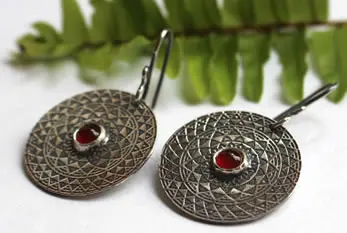
Essentials: Red stones, such as rubies or garnets, are often associated with notions of passion, love, and vitality. They can also evoke courage, strength, and a sense of determination. These interpretations, widely recognized, nevertheless vary depending on the historical period, usage, and cultural traditions.
Psychology of red
Red, the color of blood and fire, is often perceived as a hue that suggests energy, dynamism, and courage. It is associated with willpower, determination, and boldness, emphasizing action rather than reflection. Red can embody passion, love, sexuality, and life force, and in color psychology, it is often seen as an energy booster that creates a sense of urgency or impulse. Many view it as a color representing perseverance and self-assertion.
However, this fiery hue also carries more ambivalent aspects. Red can evoke anger, haste, lack of perspective, or danger. It often reflects our most primal instincts, connected to survival or protection. Its intensity can become aggressive or overwhelming when it dominates a space, symbolizing difficult-to-control emotions such as rage or jealousy.
In the Western context, red is regularly linked to love and passion, notably through roses on Valentine’s Day or advertising associated with sensuality. At the same time, it signals urgency and danger—from traffic lights to warning signs—making it a deeply ambivalent color, both alluring and intimidating.
In interior design or decoration, red is often chosen for its ability to energize a space and create a warm atmosphere. It recalls the color of fire or the sun, making it a shade associated with vitality and sociability.
Lithotherapy and benefits of red stones
In the context of lithotherapy, red stones are generally described as stimulating vital or physical energy. They are often associated with grounding, strengthening willpower, and fostering perseverance. Some traditions consider them supportive of courage or stabilizing emotions, contributing to a sense of security and connection to the earth.
Red, as a color linked to life, is sometimes associated with bodily vitality. Red stones are thus described as helping to energize the body, promote better blood circulation, or support oxygenation. On an emotional level, they are believed to assist in releasing blockages related to fear or anger, fostering better self-control in stressful situations. These interpretations, while widespread in certain circles, remain symbolic and traditional.
The color red in different cultures
In China, red is deeply associated with prosperity and joy. It evokes fire, as well as courage, loyalty, honor, success, fertility, happiness, and summer. In traditional weddings, brides and grooms often wear red, and valuable gifts are wrapped in red paper. House doors are sometimes painted red to protect the family and attract good fortune. Red is also linked to the Chinese dragon, a symbol of power and good luck. During the Lunar New Year, red decorations are ubiquitous, intended to bring luck and ward off undesirable influences.
In Japan, red is associated with heroes. It represents strength, courage, and determination, appearing on certain flags, national symbols, or uniforms to signify the heroism of warriors and samurai.
In India, red remains the traditional color for bridal attire and married women. It symbolizes purity, fertility, wealth, and beauty. Red also holds a sacred dimension, linked to the goddess Lakshmi, who embodies prosperity, fortune, and beauty.
In Africa, the meanings of red vary by region. In Central Africa, it can be associated with life or health, while in other areas it relates to death or mourning. In these contexts, red is used in funerals or memorial ceremonies to express grief, loss, and the transition between life and death. Its symbolic proximity to blood reinforces its emotional significance.
Examples of red stones
Andesine, red calcite, cinnabar, red coral, carnelian, eudialyte, garnet, heliotrope, hematite, red jasper, bull’s eye, ruby, spinel, vanadinite…
Symbolism and properties of silver color stones
Essentials: Silver-colored stones, such as argentite or galena, have traditionally been associated with reflection, intuition, and wisdom. In many cultures, they evoke clarity, purity, or protection. In crystal healing, they are often described as supporting spiritual connections, enhancing intuition, and shielding against negative influences—symbolic interpretations that draw on a long history of meanings attributed to minerals.
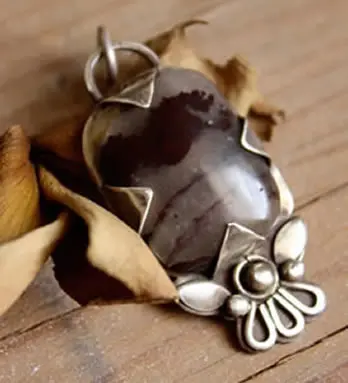
Psychology of silver color
The color silver, with its subtle metallic sheen, is often associated with both material and spiritual dimensions, evoking inner richness, quiet strength, and wisdom gained over time.
Frequently linked to the moon and its changing cycles, silver symbolizes gradual transformation, a continuous movement of growth and renewal.
Lithotherapy and benefits of silver color
In lithotherapy traditions, silver-colored stones are seen as tools that support intuition and reflection. Their energy is sometimes described as a symbolic mirror, helping to perceive one’s inner truths more clearly while warding off influences considered negative. This symbolic function relates to their association with mental clarity and wisdom, qualities believed to guide toward fairer decisions.
Silver is also perceived as a color of balance: it combines the protective qualities linked to metal with the purity associated with moonlight. This combination is valued in practices such as meditation or introspection, where one seeks to uncover hidden truths or clarify emotions. Silver stones are thus used to symbolize emotional purification and inner peace.
Silver color in different cultures
In Hinduism, silver is considered a sacred color, close to gray, associated with the incense smoke that rises toward the sky and carries prayers.
In Asia — in Korea, China, and Japan — the expression "silver river" refers to the Milky Way, symbolizing infinity and mystery.
In Japanese culture, silver is linked to the moon, often depicted as a luminous disk. It represents purity, serenity, and a beauty connected to the feminine principle.
In China, this color is associated with wealth and prosperity. Silver is a traditional gift for weddings or birthdays, symbolizing good fortune.
In the West, silver is connected to luxury, elegance, and sophistication, particularly in interior design.
In England, within heraldry, the silver color represents brightness, virtue, purity, and innocence.
Examples of silver stones
silver, bismuth, galena, hematite, magnetite, marcasite, pyrite, pyrolusite…
Symbolism and properties of white or transparent stones
Essentials: White stones, such as diamonds or pearls, have traditionally been seen as symbols of purity, innocence, and perfection. In contemporary approaches to crystal healing, they are often associated with clarity, the elevation of consciousness, and inner connection—interpretations that are rooted in a long cultural history rather than established scientific evidence.
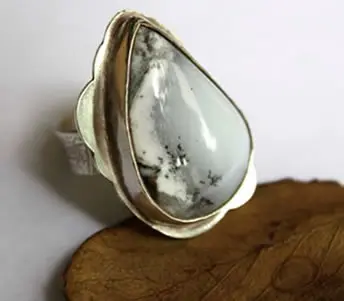
Psychology of white and transparent colors
White, often associated with light and purity, has long evoked ideas of knowledge, calm, and spirituality. This color conveys a sense of softness and cleanliness that, in many cultures, is considered conducive to tranquility and reflection. It is linked to themes such as compassion, wholeness, kindness, and openness to new beginnings.
However, the symbolism of white is far from uniform. Its presence in certain funerary rites—in both Asia and Africa—shows that it can also be connected to notions of transition, the end of a cycle, and transformation. This duality is reflected in its association with both innocence and old age: white hair, for example, evokes both maturity and the passage of time. In several traditions, white can also signify absence, emptiness, or solitude due to its stripped-down and luminous nature.
From a psychological perspective, many perceive white as a color that promotes calm, relaxation, and mental clarity. In spaces dedicated to meditation or contemplation, it is often used to create a clean, serene atmosphere conducive to introspection.
Lithotherapy and benefits of white and transparent stones
In the context of lithotherapy practices, white or transparent stones are believed to be used for purification or harmonization. Some interpretations attribute to them a “clarifying” function, as if their transparency could support human efforts to dispel confusion or seek inner discernment.
They are also thought to have a calming influence, potentially aiding relaxation or emotional tranquility. These interpretations stem from a long tradition in which the brightness of clear materials has been associated with peace, serenity, and a return to essentials.
The radiance of these stones also carries symbolic significance: their light evokes harmony, neutrality, and sometimes the idea of a unifying energy. It is this symbolic dimension that underlies their use in meditative or introspective practices.
White and transparent colors in different cultures
The color white holds a significant place in many traditions, each attributing to it a particular meaning.
In China, white is associated with mourning and the passage to another plane of existence. This connection with transition gives white a meaning that combines purity, respect, and serenity in the face of death.
In Japan, within Shintoism, white gravel marks the entrance to sacred spaces, creating a purified area intended to welcome spirits. This tradition continues in Zen gardens, where expanses of white sand — kare-sansui — serve as a medium for meditation.
In Hinduism, white often accompanies religious rituals, symbolizing spiritual purity and detachment.
On the African continent, some traditions also link white to mourning, once again highlighting the duality of this color between endings and renewal.
In the West, white is primarily associated with innocence and purity, which explains its presence in weddings and in Christian liturgical garments, particularly during baptisms.
Examples of white or transparent stones
White agate, white aragonite, white chalcedony, rock crystal, diamond, howlite, white kunzite, white opal, opalite, milky quartz, white sapphire, scolecite, white selenite, white topaz, ulexite….
Symbolism and properties of yellow stones
Essential: Yellow stones, such as citrine or yellow sapphire, are often associated with feelings of joy, optimism, and inner warmth. They are sometimes linked to intellect, creativity, or a sense of illumination, as if their sunny hue could evoke a form of vibrant, positive energy.
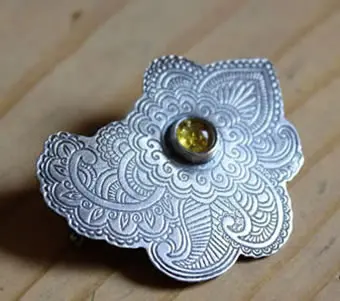
Psychology of yellow
Yellow is the color of the sun, warmth, and gold. Depending on cultural perceptions and traditions, it can evoke energy, creativity, wisdom, joy, happiness, fulfillment, dynamism, delight, intelligence, playfulness, or self-esteem. The association between light and yellow likely explains why, in many cultures, this color has been linked to intellect and wisdom.
Like any prominent color, yellow also carries more ambiguous connotations. It has sometimes been associated with betrayal, duplicity, or jealousy, perhaps due to its changeable nature, capable of ranging from a warm glow to a harsher or more acidic tone. This ambivalence also appears in the idea that yellow, being very bright and visually dominant, can be perceived as intrusive or aggressive when it overwhelms a space. These negative attributes are primarily symbolic interpretations inherited from diverse traditions or historical cultural associations.
In psychology, yellow is often used to represent youth, freshness, and innocence, referencing the flowers and fruits that bear this color. It is also considered a stimulating hue, capable of fostering optimism or creating a warm, inviting atmosphere in design and decoration.
Lithotherapy and the benefits of yellow stones
In lithotherapy, yellow stones are generally described as energizing or revitalizing. They are sometimes regarded as small “sources of inner light,” helping to dispel what are considered heavy or negative energies. They are often attributed with effects on self-esteem, mental clarity, creativity, and motivation. Yellow stones are also mentioned in practices aimed at strengthening confidence, optimism, or a sense of well-being. Within this same symbolic framework, yellow stones are frequently associated with ideas of prosperity, success, or personal growth, as if their radiance echoed that of gold or the sun.
The color yellow in different cultures
In Asia, yellow has long been associated with power, sovereignty, and aristocracy—a role that purple more often occupies in the West. It is linked to wealth, prosperity, and good fortune, echoing the color of gold, the quintessential precious metal. Yellow was also the color of elites, recalling the garments worn by emperors or high-ranking dignitaries.
In China, this symbolism was particularly strong: yellow was reserved for the emperor, who was sometimes called the “Yellow Emperor” in foundational stories. Yellow, along with red and green, was considered a masculine color, contrasted with the feminine colors black and white, which explains its association with yang, the complement of yin. This reinforced the idea that yellow could represent power, strength, or virility.
In Buddhism and Hinduism, yellow—close to the color of saffron—holds an important place. It can evoke renunciation, spirituality, meditation, or the pursuit of enlightenment. Temples, altars, and religious textiles often feature shades of yellow or orange, seen as conducive to calm and serenity.
In Central and South America, yellow is often regarded as a positive color. It symbolizes the sun, the source of life, as well as gold and corn, a staple food. It can represent prosperity, fertility, or abundance, and appears in various rituals related to life and growth.
In Islamic tradition, yellow can evoke gold, wealth, or wisdom. Sunlight is sometimes used as a metaphor for knowledge, which explains some of the associations between this color and the idea of deeper understanding.
In Polynesia, yellow holds a sacred place. It can symbolize divine presence, gods, or a spiritual connection with nature. The color is often seen as a marker of harmony and purity.
In ancient Egypt, yellow, identified with gold, represented eternity and immortality. The gilded funerary masks of pharaohs evoked the flesh of the gods and their timeless destiny.
In medieval Europe, yellow carried a dual symbolism. It could signify wealth when associated with gold, but also treachery or envy in other contexts, as illustrated by certain depictions of Judas. This ambivalence clearly shows how yellow could embody opposing values depending on the culture and era.
Examples of yellow stones
Yellow amber, yellow calcite, honey calcite, chalcopyrite, chrysoberyl, citrine, yellow fluorite, yellow jasper, cat’s eye, Tiger’s Eye, lemon quartz, yellow sapphire, sulfur, titanite, imperial topaze…
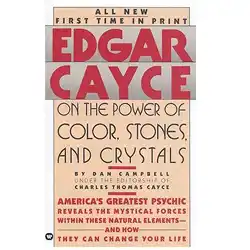
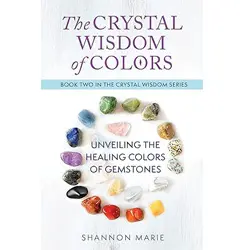
To learn more about color symbolism, we recommend you the following books:




OUR SERVICES
Customer reviews
Custom order
FAQ
Free shipping
Terms and conditions