







Pink sapphire: history, healing properties and lithotherapy
Pink sapphire properties
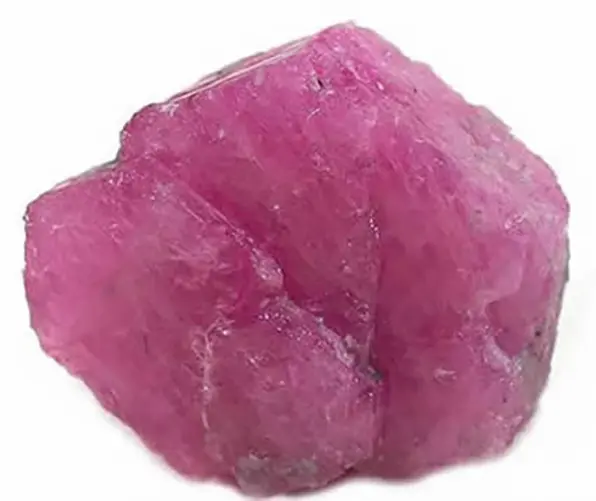
Pink sapphire, a variety of corundum, owes its delicate hues to the presence of chromium, which influences the intensity of its color. The higher the chromium concentration, the deeper the pink, ranging from soft pastel shades to vivid pink, sometimes bordering on fuchsia. In certain cases, traces of vanadium or iron can alter the hue, adding purplish undertones or softening the saturation of the pink.
From a mineralogical perspective, pink sapphire belongs to the oxide group and crystallizes in the trigonal system. It exhibits a vitreous luster and a transparency that varies from translucent to highly transparent. With a hardness of 9 on the Mohs scale, it is one of the most durable gemstones, second only to diamond. This exceptional hardness makes it a preferred choice in jewelry, as it retains its brilliance and beauty over time, even with daily wear.
Pink sapphire shares a close relationship with ruby, as both are corundum varieties colored by chromium. The distinction between these two gems lies in the intensity of the hue: if the chromium concentration is high enough to produce a deep red color, the stone is classified as a ruby. However, when the color remains within the pink spectrum, it is considered a sapphire. This classification can sometimes be ambiguous, particularly in certain cultures or gemological traditions where the term "pink ruby" is still in use.
A remarkable phenomenon in some pink sapphires is their fluorescence under ultraviolet light, caused by the presence of chromium. This property can enhance their brilliance, making them appear even more vibrant under specific lighting conditions.
The value of a pink sapphire is primarily determined by three key factors:
- Color: The most sought-after shades range from saturated pink to intense purplish-pink. Medium to strong tones, without excessive gray or brown, are considered the most valuable.
- Clarity: While natural inclusions are common in corundum, they can impact the transparency and brilliance of the gemstone. The most prized specimens are those with optimal clarity.
- Cut: A well-executed faceting maximizes light reflection and enhances the sapphire’s brilliance.
The most coveted pink sapphires come from Sri Lanka, Madagascar, and Myanmar (formerly Burma), where exceptional quality specimens are found. Since the 1990s, Malagasy mines have significantly increased the market supply, though high-quality gem-grade stones remain rare.
With the rising demand for colored gemstones in fine jewelry, pink sapphires have gained significant popularity, particularly as an alternative to pink diamonds, which are exceedingly rare and expensive. Intense shades such as "hot pink" and bubblegum pink are especially sought after for their vibrant and contemporary appeal.
Main deposits: Sri Lanka, Burma, Madagascar, Tanzania, Myanmar, Thailand, Australia, China.
History, legends and beliefs about pink sapphire
Although pink sapphire is less frequently mentioned in historical accounts than blue sapphire or ruby, it was long considered a pale variety of ruby due to its soft hue. This distinction was only firmly established with advancements in modern gemology, as in Antiquity and throughout the Middle Ages, red and pink gemstones were often grouped under the same name—particularly in Persian, Sanskrit, and medieval European texts.
In Asian traditions, pink sapphire is associated with the lotus flower, a fundamental symbol of beauty, wisdom, and spiritual purity. This connection is especially significant in India and China, where the lotus is revered as a sacred plant that rises from the mud to bloom into a radiant flower, embodying transformation and spiritual elevation. Similarly, pink sapphire, with its delicate and luminous color, is seen as a stone that fosters inner growth and resilience in the face of adversity.
During the Mughal Empire, where gemstones played a vital role in the adornment of rulers and religious leaders, pink sapphires were sometimes set into royal jewelry or sacred objects. Some historical accounts mention pink stones used in talismanic amulets, believed to provide protection and clarity to those in power.
In ancient Persia, sapphires were thought to attract divine favor and guard against malevolent spirits. While this belief primarily applied to blue sapphires, pink varieties were also valued, particularly for their association with gentleness and sincere love.
In medieval Europe, sapphires—regardless of color—were regarded as stones of truth and loyalty. Pink sapphires were occasionally used to seal pacts or given as tokens of affection among nobility, though their rarity made them less common than blue sapphires.
In the modern era, pink sapphire has gained prominence in high jewelry, particularly following the discovery of significant deposits in Madagascar in the 1990s. This discovery helped make the gemstone more accessible, as it was previously difficult to source on the market. Its association with femininity, romance, and gentleness has further enhanced its appeal.
Today, pink sapphire is regarded as an exceptional gemstone, blending elegance and mystery. Though its historical presence is more discreet than that of ruby or blue sapphire, it carries a rich legacy of ancient beliefs and powerful symbolism that endures through the ages.
Healing properties and benefits of pink sapphire
Throughout the long history of humanity, many societies have attributed various symbolic or curative properties, virtues, and interpretations to pink sapphire. The elements presented here are part of a cultural, historical, and descriptive approach, intended to shed light on the symbolic relationship that has gradually developed between this stone and human civilizations over the centuries. As with previous examples, this information stems from a process of observation and transmission of ancient and contemporary beliefs. It does not constitute therapeutic or medical advice and does not reflect personal convictions.
- In traditions, pink sapphire is often associated with notions of sincere love, emotional gentleness, and compassion. It has traditionally been perceived as a stone that encourages more harmonious relationships and a deeper understanding of emotions, notably by helping to soothe emotional wounds and foster a gradual emotional openness.
- The stone is also frequently mentioned for its role in emotional regulation. It is sometimes associated with the establishment of a more peaceful inner state, particularly among individuals prone to anxiety, emotional tension, or mood fluctuations, thereby promoting a sense of emotional stability.
- In certain traditions, pink sapphire is also linked to the development of self-esteem and personal confidence. It is regarded as a support for overcoming emotional blockages, especially those related to fear of abandonment, rejection, or difficult past emotional experiences.
- On a mental level, this stone is sometimes associated with intuition and clarity of mind. It is described as encouraging more thoughtful decision-making that is better aligned with one’s deeper aspirations, while fostering greater self-awareness and a more nuanced perception of situations.
- In some cultures, pink sapphire is known for its connection with the circulatory system. It has traditionally been associated with the idea of supporting blood circulation and improving tissue oxygenation, reflecting an ancient system of correspondences between stones and bodily functions.
- It is also occasionally mentioned in popular traditions for its presumed role in balancing blood sugar levels. In this context, it is associated with the regulation of carbohydrate metabolism and improved sugar metabolism in the body, without these beliefs being based on established medical evidence.
- In relation to the hormonal system, pink sapphire is sometimes described as a stone of balance. It is associated with the regulation of glandular activity, particularly in situations of stress, fatigue, or imbalances linked to an intense pace of life.
- Its gentle vibration is often evoked in traditions for its association with regeneration and vitality. Pink sapphire is thus perceived as contributing to greater overall harmony, a more serene aging process, and support for vital energy.
- In certain ancient beliefs, pink sapphire is also linked to blood-related conditions and bleeding phenomena. It is then described as strengthening the veins and promoting smoother circulation, reflecting a traditional interpretation of the human body.
- On a spiritual and symbolic level, pink sapphire is sometimes considered a catalyst for inner awakening. It is associated with heightened sensitivity to more subtle dimensions of existence and the emergence of a calmer, brighter, and more benevolent worldview.
- It is also appreciated for its ability to gently dissipate energies perceived as negative, in a gradual and non-disruptive manner. This action is often described as encouraging a more stable emotional grounding, without abrupt changes or emotional disruption.
- Finally, in certain traditions, pink sapphire is seen as a guide for the soul. It is associated with alignment between deeper aspirations and everyday actions, encouraging progress along one’s life path marked by gentleness, inner coherence, and benevolence toward oneself and others.



 Please note that all healing properties attributed to stones come from ancient traditions and various cultural sources. This information is provided for informational purposes only and does not constitute medical advice. In case of any health concerns, it is recommended to consult a qualified professional.
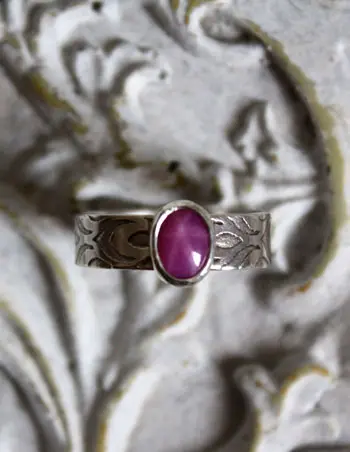
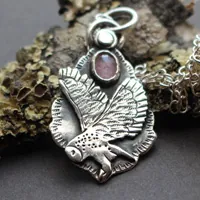
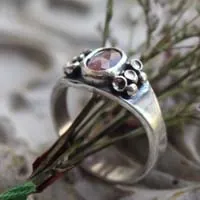
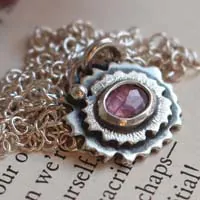
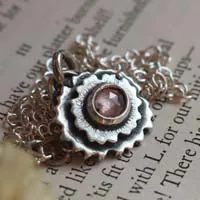
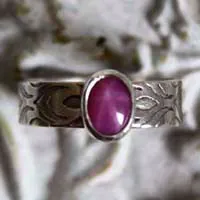
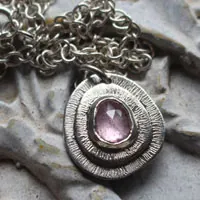
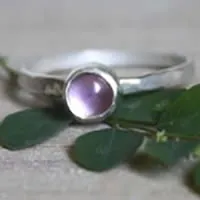
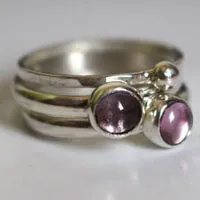
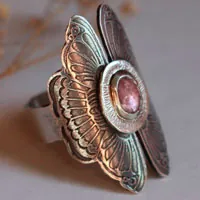
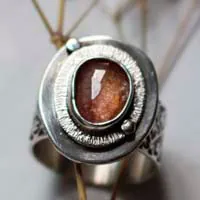
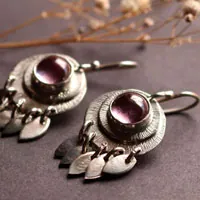
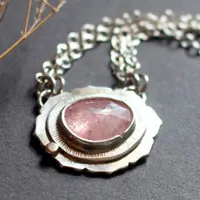
Pink sapphire jewelry samples
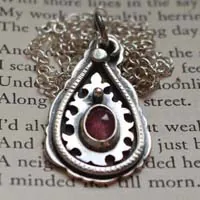
143.00 €
(≈ 160.16 USD)
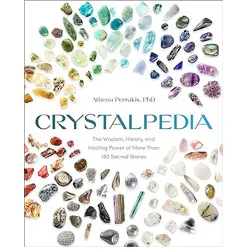
To learn more about litotherapy, we recommend you the following books:


OUR SERVICES
Customer reviews
Custom order
FAQ
Free shipping
Terms and conditions