








Druids and Nature: Sacred Plants, Trees, and Ancient Wisdom in Jewelry
This page is part of a collection highlighting the Celts and the jewelry we have created inspired by their culture. You can explore the full study by following the link below.
The druid, as a guardian of Celtic wisdom and scholar of nature, also embodies the role of a healer. Drawing on an intimate knowledge of plants and their medicinal properties, these skilled herbalists mastered the art of creating potions, elixirs, and remedies to treat various ailments. These fascinating plants and their healing powers hold a central place in our catalog.
The Celts regarded plants as sacred living beings, endowed with a unique spirit with which they could communicate. They saw them as gifts from the gods, manifestations of divine benevolence towards humanity, and treated them with deep respect. It was believed that the vital energy or aura emanating from these plants could have a direct impact on individuals' health and well-being, thereby reinforcing the sacred bond between humans and nature.
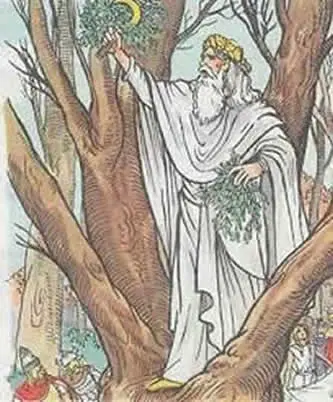
Druids not only knew the medicinal properties of plants but also their symbolism and magical power. For example, mistletoe, considered a sacred plant, was often harvested during special ceremonies, particularly at the winter solstice. Mistletoe, suspended from oak trees, was seen as a symbol of prosperity and divine protection, and its berries were used in potions to cure illnesses and ward off malevolent spirits.
The druids’ knowledge of plants came from their close relationship with the gods, who imparted the exact proportions and specific preparations needed to fully harness the healing virtues of herbs. Plant gathering was surrounded by precise rituals, emphasizing the sacred importance of this practice and ensuring respect for the natural forces at work in each harvested plant. For instance, certain plants had to be gathered at specific times of the lunar cycle or after reciting incantations to maximize their effects.
Druids and sacred trees
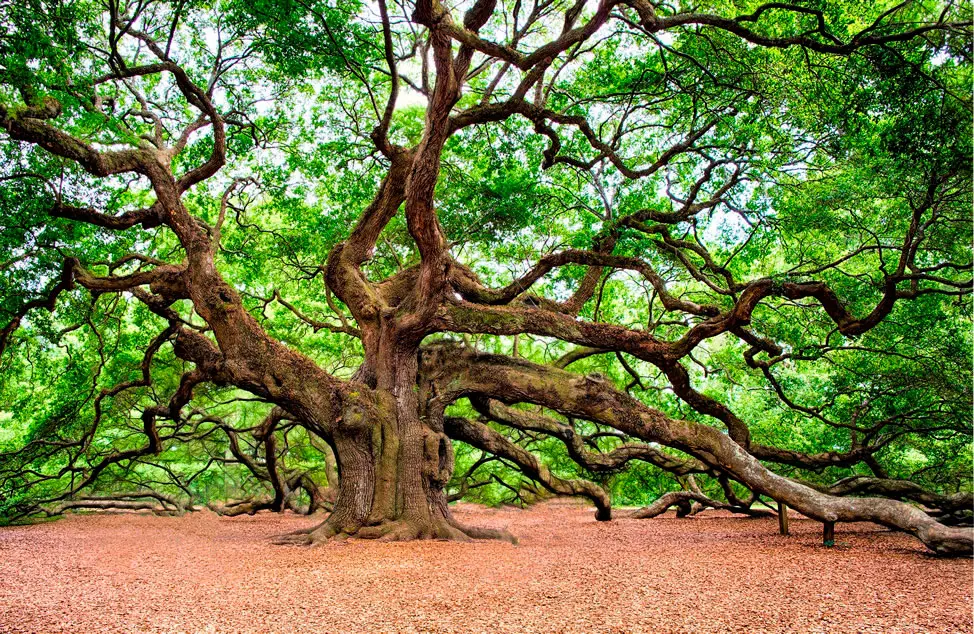
The Celts venerated seven sacred trees, which were considered fundamental pillars of their cosmology and were often present in sanctuaries or Nemetons. These trees included holly, birch, willow, oak, hazel, yew, and apple, each carrying deep symbolism and a mystical connection with the forces of nature and the cosmos. Additionally, other species like hawthorn, plum, ash, and elder also played an important role in their spirituality.
The selection of a sacred tree was a meticulous decision, guided by criteria such as its age, dimensions, and particular characteristics. Each tree was seen as a living representation of the "cosmic tree," which served as a sacred link between the underworld, represented by its deep roots, and the celestial world, symbolized by its branches reaching towards the sky. This complex symbolism reflected the Celts' holistic view of the interconnectedness of all aspects of the universe, and their reverence for trees was a tangible manifestation of their profound respect for life and spirituality.

The oak, majestic and imposing, embodies divine power on earth, acting as a sacred bridge between the celestial and terrestrial realms. For the Celts, this tree was a sacred mediator, facilitating the smooth flow of energies between the world of humans and that of the gods. Deeply rooted in the earth and proudly reaching towards the sky, the oak symbolized this sacred connection and the harmony between opposing forces in the universe.
The significance of the oak reaches its zenith when it hosts mistletoe, a rare and mystical plant whose presence on the oak’s branches defies the very nature of the tree. Indeed, the oak produces an enzyme that makes the mistletoe’s habitat unusual and thus particularly valuable when it appears. This rare symbiosis between the oak and mistletoe is seen as a sacred union, a divine blessing that reinforces the Celtic belief in the mysterious magic of nature. This symbolic pair was often at the heart of druidic rituals, where mistletoe, gathered with a golden sickle, was considered a universal remedy.
Symbolizing unwavering strength and longevity, the oak also represents resilience and endurance, fundamental qualities in Celtic identity. Its imposing stature, branches extending towards the sky, and roots deeply anchored in the earth remind us of the stability and power of nature. This strength inspires respect and veneration, not only among the Celts but also in many cultures that view this tree as a symbol of persistence through the ages. Under the protective shadow of an oak, the Celts felt divine blessing and an intimate connection with the primordial forces of the universe, a spiritual communion that nourished their relationship with the divine.
The oak played a central role in Celtic rituals, particularly during solstices and other significant events of the Celtic year. Oak wood was often used in sacred fires, symbolizing purification and rebirth. Its branches were also used to trace ritual circles, marking the sacred space where druids performed their ceremonies. These rites were imbued with the essence of the oak, reinforcing the bond between humanity, nature, and the deities.
In addition to its ritual role, the oak was closely associated with specific deities in Celtic mythology, such as Dagda, the quintessential god-druid, whose wisdom and power were revered through the ages. The Celts believed that these gods sometimes resided in the oldest and most majestic oaks, transforming these trees into living sanctuaries where one could commune directly with the divine.

The holly, a sacred tree in Celtic mythology, holds a crucial place within the Nemeton, the Celts’ sacred sanctuary. Representing resilience and bravery, the holly embodies inner strength and perseverance in the face of adversity. Even when winter imposes its harsh reign, the holly remains green and vigorous, defying the biting cold by retaining the warmth of the sun. This enduring nature makes it a powerful symbol of immortality and balance, qualities highly respected in Celtic cosmology.
In this cosmology, the holly is often seen as the twin brother of the oak, sharing a complementary relationship that reflects the balance of natural forces. While the oak symbolizes vitality and the power of the bright days, ruling over the light half of the year, the holly takes over during the winter months, protecting the earth and its inhabitants from dark forces. The holly’s winter reign is particularly symbolic, as it represents the ability to retain inner light even in the darkest times.
The holly is also revered for its role as a spiritual protector. Its spiky leaves were considered a barrier against curses, negative energies, and poisons. The Celts believed that the holly had the power to dispel harmful influences, thus helping to maintain spiritual harmony. This tree was often planted near homes to protect dwellings from evil spirits and to attract luck and prosperity.
Beyond its protective attributes, the holly is celebrated for its striking beauty, notably its dark green leaves and bright red berries, which added a splash of vivid color to the winter gloom. These red berries, while symbolizing life and vitality, also had ritual significance. They were used in various practices to invoke fertility and prosperity, symbolizing the continuity of life even in the heart of winter.
For the Celts, standing under the protection of a holly tree was synonymous with safety and strength. This tree provided comfort and support in difficult times, reminding everyone that even in the most trying periods, it was possible to find light and balance through a deep connection with nature. The holly, as a guardian of natural forces during winter, represented a benevolent and protective force, a source of inspiration for druids and druidesses in their quest for wisdom and harmony.
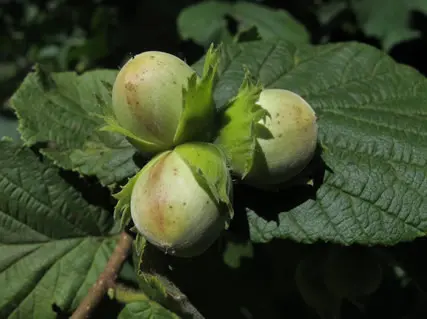
The hazel tree, also known as the coudrier, is revered in Celtic tradition as a symbol of great wisdom and knowledge. Its fruit, the hazelnut, hidden under a robust shell, epitomizes secrecy and mystery, harboring treasures of knowledge and power within. Druids, recognized for their scholarship, considered the hazel tree to be sacred wood, using it not only in their divination rituals but also as a powerful tool in their incantations and prophecies.
Hazel wood was prized for carving oghams, an ancient Celtic alphabet with mystical properties, often used for divination purposes. These sacred inscriptions, carved from hazel wood, served as a medium for oracles, bridging the visible and invisible worlds and enabling druids to communicate with spiritual forces. The relationship between the hazel tree and esoteric knowledge is so profound that the tree is often seen as a conduit for divine wisdom, a gateway to spiritual realms and hidden truths.
The influence of the hazel tree extends far beyond the Celtic era. Even today, its wood is used by dowsers to detect hidden water sources underground, perpetuating its millennia-old reputation as a guide to nature’s concealed secrets. This ability to reveal what is hidden reinforces the hazel tree’s symbolism as a tree of revelation and discernment, capable of uncovering the deepest mysteries of the universe.
In Celtic legends, the hazel tree is frequently associated with mythical beings such as fairies and unicorns, who find refuge under its branches. This association enhances its role as a guardian of ancient knowledge and esoteric sciences, making it a powerful symbol of wisdom and connection with the invisible worlds. With its roots deeply anchored in the earth and its branches reaching towards the sky, the hazel tree embodies the balance between the material and the spiritual, between earth and sky, symbolizing humanity’s eternal quest for ultimate knowledge.
In Celtic myths, its role is not merely that of a tree, but of a spiritual guide, a guardian of the universe’s secrets. In ancient stories, the hazel tree often stands near sacred wells, places of convergence between worlds, where water and tree unite to offer seekers divine wisdom. This image of the hazel tree, watching over sacred sources, illustrates its importance as a mediator between humans and supernatural forces.

The birch tree embodies sacred union and divine purity in Celtic tradition, symbolized by its bright white bark that evokes moonlight. Considered the "tree of light" by the Celts, the birch is closely associated with magic and spirituality, offering a profound connection to celestial and lunar forces. The delicate and graceful nature of this tree reinforces its image as a divine, luminous, and protective being.
In Celtic symbolism, the birch represents harmony and unity, uniting opposites into a divine symphony of clarity and peace. Its pale bark evokes immaculate purity, while its light leaves whisper ancient secrets and silent prayers to the wind. The Celts revered the birch as a bearer of light in darkness, a source of inspiration and guidance in their spiritual quest. For them, the birch was not just a tree but a spiritual guide, offering subtle wisdom to those who knew how to listen.
The birch is also associated with renewal and rebirth in Celtic tradition. As the first tree to regrow after a fire or to colonize bare lands, it symbolizes resilience and the ability to regenerate, making it a symbol of new beginnings. This resilience serves as a powerful reminder that life can always rise from the ashes, and that purity and light can triumph even after the darkest periods.
Druids often used birch wood in purification rituals, including blessing new beginnings such as weddings or the construction of a new home. Its branches were sometimes used to make ritual brooms, symbolically sweeping away negative energies and preparing the ground for new positive energies. This practical use of birch in rituals symbolizes not only purity but also the protective power of this sacred tree, capable of cleansing and safeguarding sacred spaces.
In some interpretations, the birch is also seen as a symbol of femininity due to its natural grace and connection to the moon. It represents the nurturing and protective aspects of the feminine nature, offering refuge and protection against dark forces. The birch, with its gentle strength and capacity for renewal, is often associated with Celtic goddesses, symbolizing their power to give and protect life.
The birch appears in several Celtic legends, often described as a magical tree serving as a passage between worlds. For instance, in some stories, the birch is used by heroes to traverse the boundaries between the world of the living and the realm of spirits. This mystical dimension of the birch reinforces its status as a guardian of sacred portals, a tree that does not merely grow on earth but connects worlds, allowing the passage of souls and communication with the divine.
The apple tree embodies perfection and celebrates the sacred bond of love and respect between humanity and nature in Celtic tradition. Its emblematic fruit, the apple, is imbued with symbolism, representing much more than its mere exterior. At the heart of its juicy flesh lies a profound symbol of knowledge and revelation.
In Celtic iconography, the apple tree evokes beauty and abundance, revealing nature’s generosity and the blessing of life. Its fruit-laden branches are an invitation to celebrate life and acknowledge the nurturing earth that surrounds us. The apple itself is often associated with knowledge and wisdom, symbolizing the quest for truth and a deep understanding of the universe. The star-shaped pattern formed by the apple’s seeds was seen by the Celts as a sign of nature’s harmony and perfection, reflecting the hidden secrets of creation.
But the apple is also a symbol of magic and revelation, reminiscent of ancient tales and legends where it holds the power to unveil hidden truths or open doors to other worlds. For the Celts, the apple tree was a messenger of the soul, bearer of buried truths and spiritual teachings, inviting people to taste the wisdom and hidden knowledge within each ripe fruit. In some mythological narratives, the apple was also viewed as a fruit of immortality, offering those who consumed it a direct link to the Otherworld, the realm of gods and spirits.
The apple tree was also sacred to certain Celtic deities, such as the mythical island of Avalon, whose name means "Island of Apples." Avalon was considered a place of eternal rest and healing, where enchanted apple trees bore fruit with miraculous properties. In this context, the apple tree represented the gateway between the mortal world and the afterlife, a symbol of transition and transformation.
As a sacred tree, the apple tree played a role in Celtic rituals, often associated with harvest ceremonies, where the fruits were offered to the gods in gratitude for the abundance received. The branches of the apple tree could also be used in divinatory rites, where people sought to decipher messages from the spirits through the observation of fallen apples or patterns created by the branches.
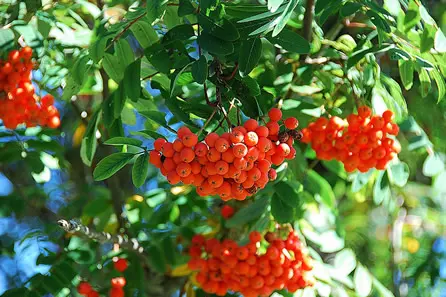
The rowan tree, revered in Celtic tradition as a tree of protection, is renowned for its ability to offer a shield against the destructive forces of nature, including lightning. Considered a guardian of sacred places, the rowan is often planted near homes and sanctuaries, acting as a vigilant sentinel against celestial storms and negative energies. The Celts believed that rowans possessed apotropaic power, capable of warding off evil and protecting travelers, making it a tree frequently invoked in protection rituals.
But the rowan does more than provide physical protection; it also promotes well-being and spiritual growth. Its emerald-green leaves and bright red berries evoke vitality and vigor, while its sturdy bark signifies resilience and inner strength. The rowan was also seen as a catalyst for clairvoyance and prophecy. In some Celtic traditions, its berries were used in potions or charms intended to open the mind to visions and enhance divinatory abilities.
By cultivating a deep connection with the rowan, the Celts honored not only its ability to offer physical protection but also its potential to nourish the soul and foster personal growth. This sacred tree was a valuable ally in the quest for harmony and spiritual development, providing a sacred refuge where souls could find peace and tranquility amidst the turmoil of daily life. The rowan was also associated with celebrating the cycles of nature, its fruits ripening as autumn approached, a time for reflection and harvesting the fruits of the spirit.
In some Celtic legends, the rowan is also described as a "tree of worlds," a link between the world of the living and the afterlife. It is said that rowans mark the portals between realms, where spirits and gods could manifest. Thus, the rowan was often revered as a tree that not only protects the material world but also guides and protects those who venture into the spiritual realm.
The yew, with its evergreen foliage, embodies the deep duality between eternity and death in Celtic tradition. On one hand, its dark green, persistent leaves evoke the idea of eternity and perpetuity, symbolizing the continuity of life through the endless cycles of nature. This immutability is further emphasized by the yew’s exceptional longevity, which can span several millennia, accentuating its association with eternity.
On the other hand, the toxicity of its wood and leaves renders it lethal to those who come into contact with it, reflecting the stark reality of death and finitude. The Celts believed that this toxicity served as a sacred protection against malevolent forces and wandering spirits, adding to the tree’s mystical aura.
Thus, the yew is seen as a crucial link between the living and the dead, acting as a bridge between two worlds. The Celts believed that the yew possessed a kind of consciousness that allowed it to watch over the souls of the deceased and guide their passage to the afterlife. Its dark, twisted branches were considered mystical portals leading to the realm of ancestors, providing comfort to the living while offering a passage for the souls of the departed to their eternal rest.
The presence of the yew in Celtic legends further reinforces its sacred role. In some traditions, the yew is associated with deities linked to the cycles of life and death and is sometimes used in healing and protection rituals. In this sense, the yew is an emblematic figure of the journey between worlds, representing both the end and renewal, the mystical voyage of the soul through the ages.
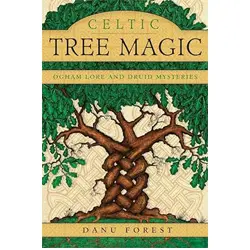
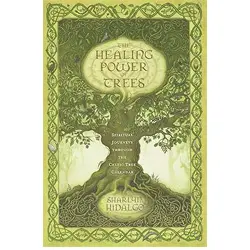
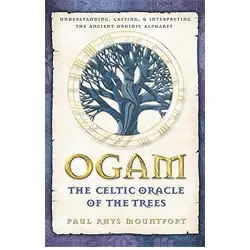
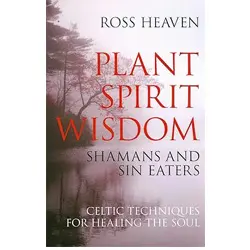
To learn more about sacred Celtic tree, we recommend you the following books:
The Celtic herbalists
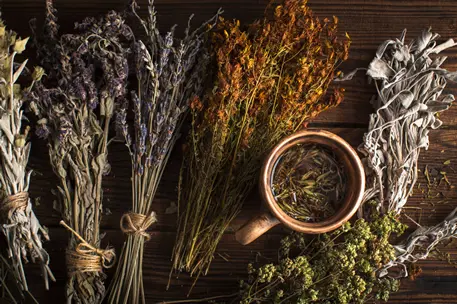
Many plants played a central role to Celtic rituals and medicinal practices, reflecting the deep connection between the druids and the plant world. In addition to native species, druids had extensive knowledge of exotic plants, acquired through long-distance exchanges, particularly with Mediterranean and Eastern regions. These exchanges enriched their knowledge base, integrating practices and substances from other cultures into their own traditions.
Among the most frequently cited plants are mistletoe, a symbol of regeneration and fertility; wormwood, renowned for its digestive properties and spiritual openness; and yarrow, valued for its healing and anti-inflammatory properties. Other widely used plants included mugwort, burdock, betony, mullein, heather, centaury, celandine, comfrey, poppy, watercress, fern, henbane, black ivy, water lily, plantain, groundsel, elder, vervain, belladonna, fennel, horehound, mint, anise, basil, samole, and selage, among many others, for their medicinal virtues and ritual powers.
In addition to these native plants, druids also imported exotic species such as iris from Illyria, used in preparations for its medicinal properties and association with deities. Myrtle was prized for its purifying qualities and role in fertility rites. Opium, pepper, ginger, frankincense, myrrh, and gum tragacanth enriched their repertoire and allowed them to explore new areas of medicine and spirituality, bringing Eastern and Mediterranean influences into their practices.
These plants were used in various ways in druidic practices: as infusions for healing and purification, as poultices for treating wounds, as incenses for purifying sacred spaces and individuals, or as simple offerings during sacred rituals to honor deities and invoke blessings. This diversity in plant use demonstrates the richness and depth of druids' botanical and natural magical knowledge, revealing their essential role as mediators between the natural and spiritual worlds.
Here are some examples of the use of these plants:

The fern, an emblematic plant in Celtic pharmacopeia, played a crucial role as a natural antiparasitic and wound healer, providing a valuable remedy for treating wounds and combating infections. Its antiseptic and anti-inflammatory properties made it a key ingredient in medicinal preparations used to clean and heal injuries. Additionally, druids used ferns for their beneficial effects on respiratory conditions, such as bronchitis and persistent coughs.
However, despite its healing virtues, the fern also had a dark and mysterious aspect. It was known for its potentially dangerous effects on women, as it was reputed to cause abortions or render those who consumed it sterile. This complex duality gave the fern an aura of power and danger, highlighting the need to use it with caution and respect. The plant was thus surrounded by myths and superstitions, often perceived as warnings for those seeking to exploit its powerful properties without proper knowledge.
Beyond its medicinal properties, the fern was also imbued with symbolism in Celtic culture. It was associated with memory and ancestral wisdom, representing a deep connection with the roots of the past and the teachings passed down through generations. As a guardian of collective memory, the fern was revered for its ability to preserve traditions and ancient knowledge, providing a vital link between the past, present, and future for the Celts. Druids believed that the fern could reveal hidden truths and aid in communication with ancestors, serving as a spiritual guide in the quest for ancestral wisdom.
In rituals and spiritual practices, the fern was often used for its protective qualities against negative energies and malevolent influences. Its fronds, arranged in a circle around sacred spaces or incorporated into amulets, were used to create a sacred space and preserve the purity of rites. Additionally, druids sometimes left fern offerings at power spots or sacred springs to honor nature spirits and ancient deities.
Wormwood or, absinthe, held a prominent place in Celtic pharmacopeia due to its numerous medicinal virtues. Considered a true universal remedy, it was used for a variety of ailments. Not only was it renowned for its effectiveness as an antiparasitic, but it was also prescribed for digestive issues, blood purification, and headache relief. Additionally, its healing properties extended to eye and ear conditions, providing relief for tired eyes and sore ears. Druids frequently used it in decoctions and infusions for its digestive and detoxifying benefits. Absinthe was also employed to treat menstrual disorders and improve blood circulation, showcasing its versatility in holistic health care.
Beyond its physical health benefits, absinthe was also valued for its calming effects on the mind. It was often used to soothe nerves and relieve stress, providing a welcome respite in a frequently tumultuous world. As a versatile medicinal plant, it embodied the spirit of healing and ancestral wisdom, offering a refuge for those seeking natural relief and harmony with their body and mind.
In spiritual and ritual practices, absinthe was used for its purifying and protective properties. It was incorporated into fumigations and incantations to ward off negative energies and create an environment conducive to meditation and clairvoyance. Druids believed that absinthe had a special connection with the spiritual realm, facilitating astral travel and mystical visions.
Furthermore, absinthe is sometimes associated with Celtic deities related to healing and wisdom, reinforcing its status as a sacred plant in healing rituals. Its reputation in Celtic tradition is also reflected in various legends and myths, where it is often described as a precious gift from the gods, capable of bestowing occult knowledge and protecting against malevolent influences.
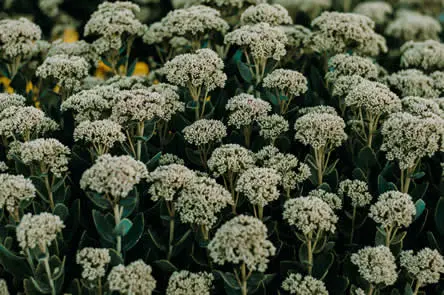
Yarrow, also known as woundwort or Achillea millefolium, held a prominent place in the Celtic medicinal arsenal due to its remarkable anti-inflammatory and healing properties. This notable plant was frequently used to alleviate inflammation and accelerate the healing process of wounds and injuries. Its natural compounds, such as flavonoids and essential oils, have analgesic and antiseptic properties, making yarrow a valuable ally in treating skin conditions, inflammatory disorders, and muscle pain.
In addition to its medicinal virtues, yarrow was also celebrated for its role in Celtic ritual and spiritual practices. Considered a sacred plant, it was often used in religious ceremonies and healing rituals. Druids employed it in purifying baths and ointments, sometimes planting it around places of worship to promote spiritual healing and protection. As an embodiment of nature’s wisdom, yarrow represented the earth’s ability to heal and regenerate, serving as a precious link between the physical and spiritual worlds for the Celts.
Yarrow's properties were also recognized in divinatory and magical practices. Druids used its leaves and flowers in protective sachets and potions designed to enhance intuition and clairvoyance. Yarrow symbolized harmony and balance, offering support during times of transition and renewal, and was sometimes associated with goddesses of healing and wisdom in Celtic mythology.
Mugwort, scientifically known as Artemisia vulgaris, was a valuable plant in Celtic pharmacopoeia, renowned for its complex and sometimes controversial medicinal properties. Used for centuries, it was employed in various therapeutic treatments. In particular, its infusions and baths were frequently used to relieve menstrual pain and regulate menstrual cycles. Mugwort was associated with purification practices and hormonal regulation, providing valuable support in gynecological care.
However, mugwort also possessed powerful properties that could lead to more serious effects. Some ancient accounts attribute to it the ability to induce abortions, and it was sometimes used to provoke early menstruation when needed. This use had to be handled with great caution due to potential health risks.
In addition to its role in gynecological treatments, mugwort was recognized for its beneficial properties in other areas of health. It was often used to treat digestive disorders, including bloating and indigestion, as well as to soothe sleep disturbances such as insomnia. Its antiseptic and anti-inflammatory properties also made it effective against respiratory conditions like coughs and colds.
Mugwort was also revered for its uses in magic and divination. It was often burned as incense in rituals to purify spaces and promote spiritual visions.
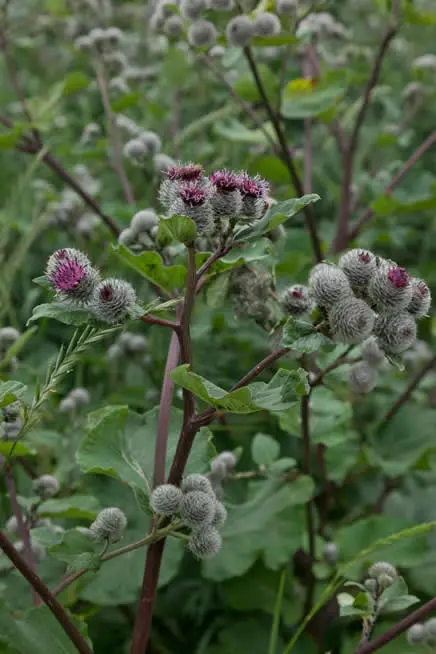
Burdock, also known as "greater burdock" (Arctium lappa), was a versatile plant with impressive medicinal properties in Celtic tradition. As an antipyretic, it was revered for its ability to combat fever and relieve intestinal pain. Its roots, rich in active compounds such as arctiin and phenolic acids, had anti-inflammatory and antiseptic properties, making burdock an effective natural remedy against infections and wounds. The Celts often used burdock decoctions or poultices to treat skin conditions and digestive problems.
Beyond its medicinal benefits, burdock was also valued for its purifying and immunostimulant properties. Druids used it as an essential tool to boost the immune system, especially during the harsh winter months. This use was linked to the belief that burdock could "purify" the body and mind, helping to eliminate accumulated toxins and enhance overall vitality. Its large leaves, often used in compresses, were also employed to relieve muscle pain and inflammation.
As a symbol of resilience and strength, burdock embodied the spirit of nature capable of overcoming obstacles. It was often associated with perseverance and regeneration, reinforcing the idea that nature provides resources to heal and revitalize both body and mind. Burdock was also considered a protective plant, offering essential support to maintain balance and health throughout the year.
Belladonna, deadly nightshade (*Atropa belladonna*), also known as "beautiful lady" or "nightshade cherry," was an enigmatic plant both feared and revered in Celtic tradition. Beyond its reputation as a formidable poison, belladonna was also associated with deep mystical and spiritual practices.
In some ancient texts, references suggest that belladonna was used by druids to contact spiritual forces and achieve states of deep trance. Animal skins were coated with belladonna and other sacred plants, and druids would lie naked on them during sacred rituals, entering an altered state of consciousness conducive to spiritual revelation. The psychoactive effects of belladonna were indeed sought for their ability to induce visions and revelations, allowing users to communicate with spirits or access hidden knowledge.
However, while these practices might seem mysterious and esoteric, it is mainly the toxic reputation of belladonna that has remained in historical records. With its bright red berries and deep green leaves, belladonna was feared for its lethal potential and devastating hallucinogenic effects. Even in small amounts, the plant could cause hallucinations, convulsions, and even death.
The duality of belladonna is marked by its both beneficial and dangerous effects. In addition to its ritual uses, the plant was employed in traditional medicine to treat various ailments, despite its potential risks. Ancients used belladonna preparations for their analgesic and mydriatic properties (pupil dilation), as well as in contexts of pain relief or gastrointestinal disorders. However, the margin between therapeutic and toxic doses is narrow, making its use extremely delicate.
In Celtic imagination, belladonna thus embodied a tension between the sacred and the dangerous, the mystical and the mortal. Its ability to induce altered states of consciousness while presenting serious risks in cases of misuse highlighted the need for a balanced and respectful approach to natural forces. Belladonna thus represents an archetype of power and danger that accompanies the quest for spiritual knowledge and personal transformation.
Betony (*Betonica officinalis*), also known as "carpenters’ herb" in Celtic tradition, held a valuable place in the medicinal arsenal of the ancients. Esteemed for its therapeutic virtues, this plant was particularly effective in treating migraines, dizziness, and even paralysis, thanks to its active compounds with analgesic and anti-inflammatory properties. It was often used in infusions or decoctions to soothe neurological pain and support the relief of nervous system disorders.
Beyond its medicinal uses, betony also held symbolic significance in Celtic tradition. It was frequently associated with protection and purification and was employed in rituals to ward off negative energies and malevolent influences. Its ability to alleviate pain and neurological disorders made it a symbol of healing and inner strength, providing support to individuals seeking recovery or spiritual protection.
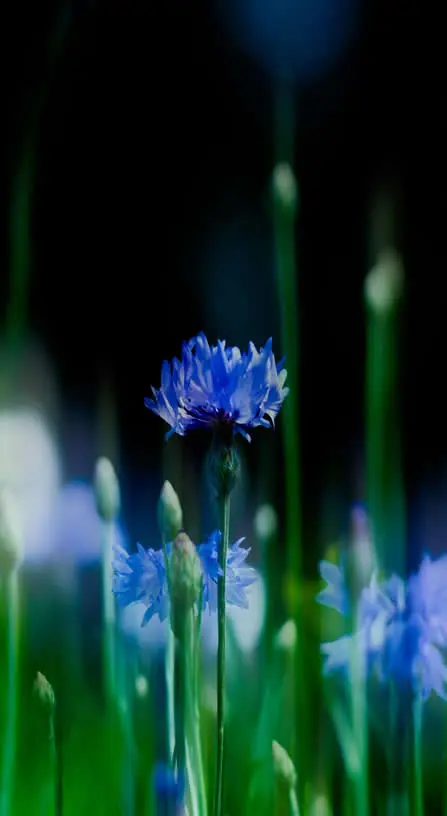
Centaury, also known as "holy centaury," played a vital role in the daily life of the Celts as a protective and healing plant. Revered for its magical and medicinal properties, it was often used to protect homes and food supplies from harmful influences. The druids considered centaury to be a spiritual shield, warding off negative energies and providing sacred protection to households and their occupants.
Due to its protective properties, centaury was also used in amulets and talismans designed to preserve the health and well-being of those who wore them.
In addition to its role as a guardian of homes, centaury was also known for its medicinal virtues. Druids used this plant as a purgative and cleansing remedy, helping to eliminate toxins from the body and restore internal balance. Its diuretic and depurative properties made it a valuable ally for renal and liver disorders. Additionally, centaury was considered an effective antidote against snake venom, offering hope of healing for those bitten by these formidable creatures. Infusions and decoctions of centaury were often administered for their soothing and regenerative effects on the digestive system and metabolism.
The Celts also attributed special magical properties to centaury. Beyond its protective use, it was often incorporated into rituals to attract luck and promote prosperity. Its presence in ceremonies was believed to harmonize the energy of places and create an atmosphere of peace and serenity. The plant was sometimes burned as incense during rituals to purify the air and drive away negative energies.
Celandine, Chelidonium, also known as "wartwort" or "wart herb," was a plant recognized for its diverse medicinal properties in Celtic tradition. Used for centuries, it held an important place in Celtic pharmacopoeia for its benefits for the eyes. Chelidonium was considered a valuable remedy for improving vision and relieving ocular conditions. It was often prepared as an eye drop or lotion to cleanse and soothe irritated eyes and was sometimes used to treat conditions such as conjunctivitis and cataracts. Its yellow sap, rich in alkaloids, was applied topically to reduce inflammation and irritation.
Chelidonium was also revered for its healing virtues in other areas of health. Druids used this plant as a versatile remedy for a variety of ailments. Externally applied, chelidonium was known for its antiviral and antifungal properties and was used to treat skin conditions such as warts, rashes, and skin infections. Internally, it was used for its beneficial effects on the digestive system, including relief from digestive disorders such as indigestion and colic. Its antispasmodic properties also made it an effective remedy for abdominal pain and cramps.
Symbolically, chelidonium was associated with purification and regeneration in Celtic tradition. Its ability to "cleanse" and "heal" was seen as a reflection of its spiritual power, providing not only physical benefits but also support in purification and renewal rituals. The plant was sometimes included in rites of passage, such as purification ceremonies or preparation before spiritual journeys, to help balance and rejuvenate personal energies.
Comfrey, also known as "knitbone" or "Symphytum officinale," was an extraordinarily versatile plant in Celtic tradition, valued for its exceptional medicinal properties. It was renowned for its effectiveness in treating a wide range of health issues.
The Celts used comfrey to address various ailments, from kidney and lung pains to throat problems and stomachaches. Its ability to soothe bleeding and treat sprains made it an essential remedy in medical practices of the time. Its broad range of uses, from resolving internal issues to healing external injuries, highlights its versatility and importance in traditional medicine.
One of the most notable aspects of comfrey was its role in tissue regeneration and bone healing. According to Celtic beliefs, it had unique regenerative properties due to its high content of allantoin, an active compound that stimulates cell growth and promotes the formation of new tissues. This exceptional ability to accelerate the healing process was particularly valued for treating fractures and traumatic injuries, making comfrey a valuable ally in physical rehabilitation.
Comfrey was also used in various forms: decoctions, poultices, or ointments to fully harness its healing properties. In addition to its medicinal applications, it was sometimes incorporated into purification and protection rituals, thus reinforcing its role in maintaining both physical and spiritual health.
Verbena, Vervain, an emblematic plant whose name derives from the Celtic "ferfaen," meaning "sacred branch," held a central place in the spiritual and medicinal practices of the Celts. Considered a sacred plant with prophetic powers, it was often used for prophecy and divination. Druids placed great importance on harvesting verbena, as it represented a sacred link between the earthly world and the divine realms.
Verbena was known for its versatile medicinal properties. It was notably used as an antipyretic, soothing fever and alleviating symptoms of various illnesses. As a universal remedy, it found its place in many medicinal preparations to treat ailments ranging from digestive disorders to respiratory infections.
However, harvesting verbena was governed by strict rules dictated by Celtic tradition. To ensure its maximum efficacy, it had to be gathered during specific transitional times, such as dawn and dusk, when neither the sun nor the moon dominated the sky. It was during these moments that verbena fully revealed its magical and medicinal powers, thus providing a sacred link between humans and the mystical forces of nature.

The water lily, also known as "sacred lotus," was an enigmatic plant associated with powerful symbols and meanings in Celtic tradition. While its floral beauty was admired, the water lily was also renowned for its magical and mysterious properties, often surrounded by superstitions and legends.
Among popular beliefs, there was one that the water lily could cause impotence and infertility, which was often linked to curses or protection rituals. Due to this reputation, the water lily was sometimes regarded with both caution and respect, seen as a plant with formidable magical powers.
In the context of Celtic magic, the water lily was occasionally used for its neutralizing properties, capable of nullifying curses or counteracting spells. Its ability to thrive in challenging aquatic environments made it a symbol of resilience and inner strength, despite the negative connotations it might carry.
Conversely, the water lily was also revered for its beauty and grace. It symbolized purity and spiritual awakening, being associated with purification rites and mystical practices aimed at achieving high levels of consciousness and connection with the spiritual world. Its presence in ponds and rivers was seen as a sign of blessing and renewal, reflecting nature’s ability to transcend dark aspects and offer profound wisdom.
The mullein was a plant renowned for its purifying and disinfecting properties in Celtic tradition. Used for centuries in healing practices and purification rituals, mullein was considered a true panacea for warding off diseases and protecting places from negative influences. Its ability to purify and heal gave it a central role in cleansing rituals and the protection of sacred spaces.
One of its most notable uses was as a natural torch. Celtic druids and healers employed dried mullein stalks as torches during sacred ceremonies or healing rituals. When burned, the fumes were reputed for their antiseptic properties, warding off illness and purifying the atmosphere of sacred spaces. This use of mullein as a torch also symbolized light and spiritual purification, illuminating paths during nocturnal rituals.
Mullein was also used in fumigation to disinfect places and drive away negative energies. The plant’s leaves and flowers were burned or infused in water to create disinfectant solutions used to cleanse homes, temples, and altars. Druids believed that these fumigations not only eliminated physical germs but also undesirable spiritual influences, thereby bringing enhanced harmony and protection to those in the purified spaces.
Additionally, mullein was sometimes used in potions and ointments for its medicinal virtues. It was employed to treat respiratory conditions such as coughs and bronchitis, as well as for its anti-inflammatory and analgesic properties in remedies for bodily aches.
The poppy, with its delicate scarlet red flower, held a special place in Celtic pharmacopeia and traditions. Beyond its enchanting beauty, the poppy was valued for its soothing and healing effects, particularly in the context of infant care and gastrointestinal issues.
For newborns, the Celts used poppy petals, reduced to a soft and comforting paste, to promote peaceful and restorative sleep. This practice was considered a natural and gentle way to calm restless infants and help them fall asleep more easily, providing welcome relief to young parents. The sedative properties of the poppy were recognized for their ability to induce deep sleep without the side effects of heavier treatments.
Additionally, the poppy was also used in beverages for its healing properties on stomach ailments. Celtic druids and healers prepared infusions made from poppy petals to soothe stomach aches, reduce inflammation, and promote the healing of ulcers and gastrointestinal irritations. The anti-inflammatory and mildly analgesic properties of the poppy made it valuable for treating digestive disorders and offering relief to those suffering from gastric issues.
Symbolically, the poppy was associated with peace and tranquility in Celtic traditions. Its vibrant color and use in soothing remedies made it a symbol of rest and serenity. In rituals and ceremonies, the poppy could be used to invoke inner peace and spiritual healing, reflecting its role as a plant with calming virtues both physically and spiritually.
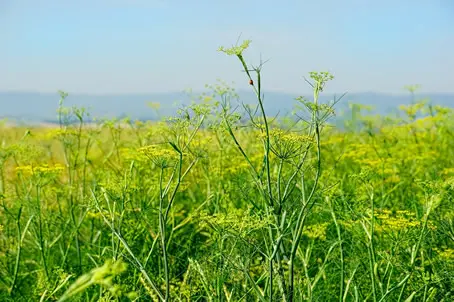
Fennel, with its distinctive form and captivating aroma, was a revered plant in Celtic tradition for its numerous healing properties. Used since antiquity for its medicinal virtues, fennel was considered a versatile remedy capable of alleviating a variety of ailments, ranging from coughs to bladder issues, and even venomous bites.
Thanks to its diuretic and laxative properties, fennel was often used to aid in purification and the elimination of toxins from the body, providing a natural means of cleansing and purging internal impurities. Celtic druids and healers valued fennel for its role in purification rituals, believing that its cleansing properties promoted a healthy balance of body and mind.
As a remedy for respiratory issues, fennel was employed for its expectorant and soothing effects. Its seeds were often infused in teas to calm coughs, relieve bronchitis, and promote easier breathing. Fennel was also used to reduce inflammation in the respiratory tract and enhance breathing comfort.
Additionally, fennel was renowned for its beneficial effects on bladder health. Its anti-inflammatory and diuretic properties helped alleviate urinary infections and supported the proper functioning of the urinary tract. Druids often recommended fennel decoctions or infusions to support kidney and urinary health, as well as to aid in toxin elimination from the system.
Finally, in cases of venomous bites, fennel was used for its antitoxic and healing properties. Fennel-based preparations were applied topically to wounds to neutralize venoms, reduce swelling, and accelerate the healing of damaged tissues. Thus, fennel was a valuable ally in managing medical emergencies and infections.
Fennel was also appreciated in spiritual practices for its qualities of purification and protection. As a sacred herb, it was sometimes used in rituals to ward off negative energies and provide protection against harmful influences, further reinforcing its status in Celtic spiritual and medicinal traditions.
Ivy, with its graceful vines and evergreen leaves, was revered as a symbol of protection and eternity in Celtic tradition. Considered a guardian of thresholds and boundaries, ivy was often planted around homes and sanctuaries to ward off harmful influences and provide spiritual protection to the inhabitants. As a plant associated with longevity and resilience, ivy was also used in rituals to symbolize immortality and the continuity of ancestral traditions and knowledge.
Ivy was also renowned for its divinatory properties. Celtic druids and seers used its leaves in divination rituals, believing that their shape and arrangement could reveal messages from the spiritual realms, offering insights into the future and valuable guidance. Ivy leaves were often cast or arranged in specific patterns to interpret signs and guide important decisions. Ivy was also used in the making of sacred wreaths and garlands, symbolizing the unity and connection between the human world and the spiritual world.
Medicinally, ivy was a valuable resource for relieving a variety of ailments. Thanks to its soothing and expectorant properties, it was often used to treat respiratory conditions such as coughs, whooping cough, and upper respiratory infections. Ivy-based preparations, such as infusions or poultices, were employed to reduce inflammation in the respiratory tract and promote easier breathing.
Additionally, ivy leaves were also used to treat irritated eyes and to soothe skin irritations. The anti-inflammatory and healing properties of ivy made it an effective remedy for rashes and minor burns. Druids also used it in preparations to strengthen the immune system and support recovery after illnesses.
Ivy, with its persistent nature and ability to grow in challenging conditions, was perceived as a symbol of inner strength and resilience. It embodied the idea that even in the most difficult times, nature could offer powerful solutions and support, reflecting the wisdom and healing capabilities inherent in the earth itself.
Mistletoe, with its mystical white berries, held a prominent place in Celtic mythology as a symbol of eternity and power. For the ancient Celts, mistletoe was considered sacred when it grew on the majestic oak, forming a mystical union between the oak’s robust strength and the enchanting magic of the mistletoe. This sacred symbiosis represented the harmony between the earthly and the divine, offering a tangible expression of nature’s power and vitality. Mistletoe, with its life-giving properties, was also associated with fertility and regeneration, reinforcing the idea of continuity and renewal.
The gathering of mistletoe was a solemn ritual, laden with symbolism and mystery. The druids, keepers of sacred knowledge, would carefully cut the coveted plant with a golden sickle, letting it fall onto a large white cloth. This sacred moment was celebrated as a union between man and nature, where the magical powers of mistletoe were unleashed to offer healing and protection to those in need. Mistletoe was often harvested during the Yule celebrations, around the winter solstice, symbolizing the triumph of light over darkness and the promise of nature’s rebirth.
Beyond its sacred symbolism, mistletoe was also revered for its exceptional healing virtues. Regarded as a universal remedy capable of curing a multitude of ailments, mistletoe was especially valued for its fertility-enhancing properties. The Celts firmly believed in its power to cure infertility, offering much-needed hope to couples wishing to start a family. In traditional medicine, mistletoe was also used to treat cardiovascular disorders, such as hypertension and palpitations, due to its hypotensive properties and ability to regulate heart rhythm.
The leaves and berries of mistletoe were prepared in decoctions or infusions, sometimes combined with other sacred herbs to maximize their healing effects. Mistletoe was also used in protection ceremonies, where it was hung in homes or workplaces to ward off evil spirits and bring luck and prosperity. Its presence was seen as a shield against negative influences and a conduit for divine blessings.
Plantain, this humble herb with broad, fleshy leaves, was revered in Celtic tradition for its numerous healing benefits and symbolic generosity. Considered a loyal ally in combating a variety of ailments, plantain was a valuable resource for Celtic druids and healers, providing effective relief for a multitude of conditions.
Thanks to its anti-inflammatory and analgesic properties, plantain was used to relieve headaches and stomachaches, soothing pain and discomfort. Its leaves were often applied as a poultice on the temples or abdomen to provide quick relief. Additionally, its hemostatic properties made it an effective remedy for stopping bleeding and promoting the healing of wounds and ulcers. When applied topically, crushed plantain leaves were used to cover injuries, helping to reduce inflammation and speed up the healing process.
In the case of snake bites or venomous insect stings, plantain was also renowned for its antivenom properties, helping to neutralize toxins and reduce inflammation and swelling. Its ability to draw out poisons from the body made it a valuable plant in emergency situations. Healers often applied fresh leaves directly to the bite or sting to mitigate the harmful effects of venoms.
Beyond its medicinal benefits, plantain was also venerated for its symbolic generosity. By offering its large, nourishing leaves to soothe ailments and heal wounds, plantain embodied the generosity of nature, providing its precious gifts for the well-being and health of those in need. In Celtic culture, this plant was often associated with healing rites and offerings of gratitude to the spirits of nature. Its common use in purification and protection ceremonies testified to its important place in the daily life of the Celts.
Celtic druids and healers also used plantain in preparations to strengthen the immune system and enhance resistance to illness. Plantain infusions were consumed for their beneficial effects on the respiratory and digestive systems, making this plant an indispensable ally in traditional Celtic medicine.
It is essential to recognize that Celtic healers did not rely solely on plants for their medicinal practices but also incorporated other natural elements such as water, earth, stones, and minerals. In their pursuit of holistic healing and a deep connection with the forces of nature, Celtic healers integrated a variety of elements to fulfill their sacred duties.
Water, regarded as a symbol of purification and regeneration, played a crucial role in Celtic healing rituals. Healers used water from sacred springs or rivers for its healing and purifying properties, believing in its power to wash away ailments and restore inner balance. Rituals involving water could include ritual immersions or ablutions to remove negative energies and promote spiritual healing. Additionally, water was often blessed by druids and used in potions and decoctions to enhance its sacred properties.
Earth, representing stability and fertility, was also utilized in Celtic healing practices. Healers created poultices and ointments from earth, clay, or mud, believing in its nourishing and healing properties to promote the recovery of wounds and skin conditions. Earth was often associated with grounding rituals, where patients were in direct contact with the soil to stabilize their energy and restore vitality. Offerings to the earth and rituals of gratitude toward the earth goddess were common to strengthen the connection between individuals and the forces of nature.
Stones and minerals were also revered for their healing and energetic properties. Celtic healers used crystals and gemstones to channel beneficial energies, providing spiritual and emotional support to those seeking healing. Druids often incorporated these stones into amulets, talismans, and healing rites, believing they could positively influence the bodily and spiritual energies of individuals.
By combining these natural elements with the properties of plants, Celtic healers created integrative healing approaches that addressed not only the physical aspects of illness but also the spiritual and energetic dimensions of health. This holistic approach reflects the Celts' profound connection with the natural world and their understanding of the interdependence between body, spirit, and nature.
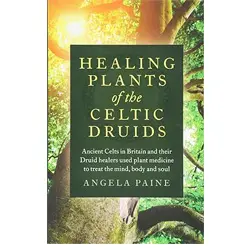
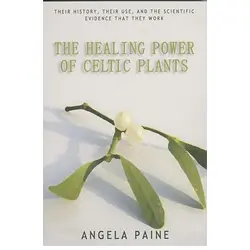
To learn more about the plants used by the Celts, we recommend you the following books:



OUR SERVICES
Customer reviews
Custom order
FAQ
Free shipping
Terms and conditions