







Mexican Crazy Lace agate: history, properties and lithotherapy
Mexican Crazy Lace agate properties
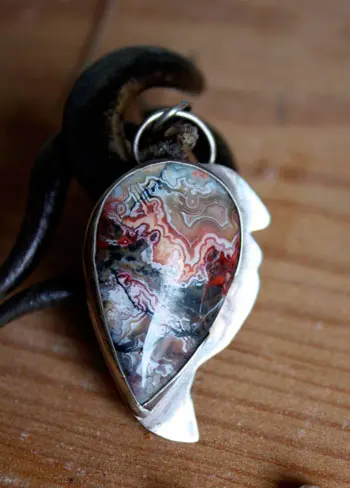
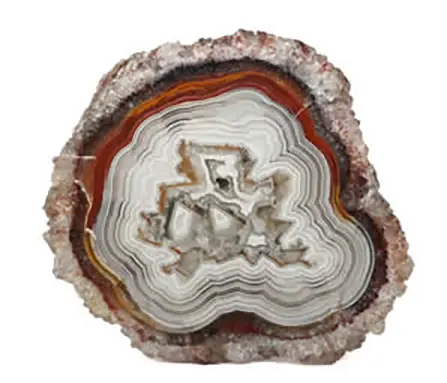
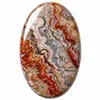
Mexican Crazy Lace agate, also known as Mexican agate, rodeo agate, or rosette stone depending on the mine of origin, is renowned for its vibrant colors intertwined in wavy patterns. This unique stone features hues ranging from opaque white to red, gray, and yellow.
This fascinating stone is primarily mined near Villa Ahumada in the state of Chihuahua, Mexico, from rock layers dating back to the Cretaceous period, approximately 90 to 65 million years ago. The formation of these agates results from successive deposits of silica in rock cavities under specific pressures and temperatures, creating the unique and complex patterns we observe today.
History, beliefs and legends about Mexican Crazy Lace agate
Although Mexican Crazy Lace agate was first documented in 1895, it was only rediscovered in the 1950s by American geologists involved in the construction of a highway.
Local Pre-Hispanic populations considered this stone sacred, using it in rituals and as offerings to appease the gods. The "crazy" and wavy patterns of crazy lace agate, often tinged with red, were perhaps seen as a representation of blood and the circulatory system, important symbols in Mesoamerican cultures where sacrifice (including self-sacrifice) was practiced to gain divine favor.
This agate, with its intricate network of lines, was likely perceived as a reflection of the complexity and vitality of life.
Main deposits: Mexico
Healing properties and benefits of Mexican Crazy Lace agate
Throughout human history, Mexican Crazy Lace agate has been associated with various properties, symbolic virtues and traditional uses. The information presented here is offered from a cultural and historical perspective, aiming to illustrate how different societies have perceived this stone over time. As with the previous elements, this presentation follows a documentary approach and is not intended as a therapeutic or medical recommendation, nor does it reflect personal beliefs.
- Mexican Crazy Lace agate is often mentioned, in certain traditions, for its association with the idea of support against allergies, particularly in connection with notions of general immune strengthening.
- Some traditions also associate it with an enhanced sense of smell, as well as with the well-being of the gallbladder, bladder and kidneys.
- In some traditions, athletes have used it as a talisman believed to help prevent cramps.
- Mexican Crazy Lace agate is sometimes associated with the ability to soothe fears and feelings of insecurity.
- It is also cited for its connection with improved blood circulation, especially in the legs and feet, through the idea of smoother flow and a harmonious dilation of blood vessels—sometimes mentioned in relation to the notion of preventing varicose veins.
- It is worth recalling the properties more generally attributed to agate in lithotherapeutic traditions: it is often perceived as a stone linked to emotional and physical balance, and associated with a sense of inner calm.



 Please note that all healing properties attributed to stones come from ancient traditions and various cultural sources. This information is provided for informational purposes only and does not constitute medical advice. In case of any health concerns, it is recommended to consult a qualified professional.
Mexican Crazy Lace agate jewelry samples
Sold
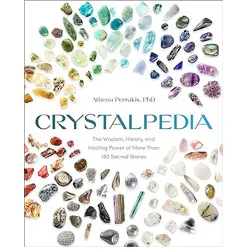
To learn more about litotherapy, we recommend you the following books:


OUR SERVICES
Customer reviews
Custom order
FAQ
Free shipping
Terms and conditions