



Celtic animal jewelry: symbols, beliefs and spirituality of the Celtic animal world
This page is part of a collection highlighting the Celts and the jewelry we have created around their culture. You can explore the full study by following the link below.
In the vast and mysterious Celtic universe, steeped in ancient traditions and wisdom, the bonds between humans and animals hold a central place, particularly within the druidic domain. The Celts, a people deeply connected to nature, regarded animals as spiritual guides and bearers of symbolic meaning. For the druids, guardians of ancestral knowledge and sacred rituals, every living creature embodied a sacred essence, revealing hidden truths and essential life lessons.
Each animal, whether wild or domesticated, terrestrial or celestial, was considered a messenger of the gods, carrying omens and divine signs. The druids drew inspiration from the behaviors, characteristics, and even habitats of animals to interpret the will of the universe and guide members of their community. Animals were often associated with specific deities or divine attributes, and their presence in dreams or visions was seen as a sign of spiritual communication.
Druids also employed animals in their divinatory rites, observing their behaviors and studying their interactions with the natural world to glean insights about the future and advice on important decisions. The cries of birds, the movements of animals in the forest, and even the behaviors of domesticated animals were considered significant in divinatory practices.
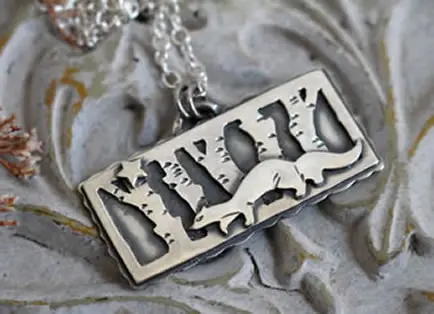
The weasel embodies a complex set of traits and meanings. For the Celts, it carried multiple connotations, reflecting both admirable qualities and more ambivalent aspects of human nature.
To the Celts, the weasel was a symbol of affection and vigilance, admired for its unwavering devotion to its family and its fierce determination to protect its territory. Despite its small size, the weasel’s courageous and resolute nature illustrated inner strength and perseverance in the face of challenges. This made it an emblem of tenacity and dedication, reminding the Celts of the importance of defending what is precious and showing bravery in difficult times.
However, the weasel also possessed a more complex dimension, marked by its cunning and agility. In certain legends, it was associated with deceptive behaviors and a tendency to manipulate to achieve its goals. This darker side of the weasel served as a lesson on the dangers of excessive ambition and manipulation, while also highlighting that these traits can be integral to the cosmic balance. Thus, the weasel taught the Celts to remain vigilant and discerning in their relationships and interactions, acknowledging that even the most ambiguous aspects of nature have their place in the complexity of the natural and spiritual worlds.
The bee holds a revered position in Celtic tradition, representing far more than its vital role in pollination and honey production. For the Celts, the bee embodies ancestral wisdom, immortality, and the mysteries of nature, carrying within it the teachings of the gods.
At the heart of this symbolism lies the precious honey, a golden nectar whose exquisite sweetness is metaphorically linked to the ambrosia of the gods. This sacred nectar is transformed into mead, a holy drink among the Celts. Often consumed during ritual celebrations, mead was considered the drink of immortals, granting mystical powers and a deep connection with the divine to those who partook. Its preparation was a sacred art, involving specific rites to ensure that the elixir retained its spiritual properties.
The bee, through its diligent work and complex social organization, is seen as a guardian of esoteric knowledge. Its ritual dances, which reveal the location of nectar sources, are interpreted as a cosmic dance, symbolizing the sacred interconnectedness of all life on earth. The bee’s agile and methodical flight is reminiscent of the movement of stars, underscoring the harmony and order present in the universe.
In Celtic tradition, the bee is also associated with the goddess Brigid, the deity of poetry, healing, and the forge. Brigid is the keeper of sacred flames, symbolizing the regenerative power of nature. As a source of creative inspiration, she embodies the eternal promise of rebirth and the link between the human and divine realms. By producing honey, bees participate in Brigid's sacred work, with their nectar regarded as a divine offering and a source of wisdom.
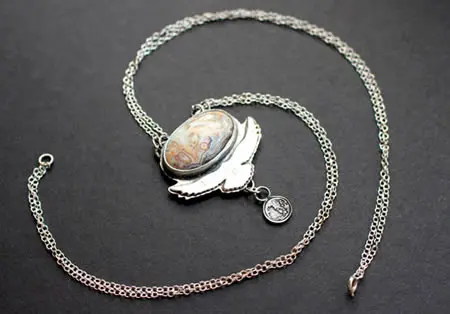
The eagle holds a prominent position as a symbol of the air, representing freedom, clear vision, and celestial power. In the vast Celtic animal pantheon, which includes initiatory figures such as the mystical blackbird, the wise owl, the majestic stag, and the sacred salmon, the eagle stands out with its majestic wingspan and celestial grace.
The eagle was often associated with Celtic deities such as Belenus, the god of light, or Taranis, the god of thunder. This mythological connection reinforces its status as a divine messenger and a symbol of celestial majesty. The druids, keepers of the universe’s mysteries, observed the eagle with admiration in its natural habitat, viewing it as a spiritual guide and bearer of sacred wisdom. As a bird of prey, the eagle embodies the quintessence of strength and keen insight.
The druids used the image of the eagle in their rites and ceremonies, believing that this powerful bird had the ability to transcend the boundaries between worlds. This capacity to communicate with spirits and deities made the eagle an essential conduit for divination rites and spiritual invocations.
In Celtic legends, the eagle plays a crucial role in hero stories and myths. It is often depicted as a guardian or guide in epics, underscoring its significance in traditional narratives.
The eagle, as the opposite of the serpent in druidic symbolism, represents the duality inherent in human existence. While the serpent embodies the forces of the earth, rebirth, and transformation, the eagle soars above the skies, symbolizing transcendence, elevation, and clarity of mind. Their dialectical opposition reflects the dynamic balance between cosmic forces, where the harmonious union of opposites creates order and harmony in the universe.
Together, the eagle and the serpent represent the fundamental pillars of druidic philosophy, embodying the elements of air and earth respectively, and symbolizing the divergent yet complementary paths toward wisdom and enlightenment.
The lark, or Alauda, embodies a sacred bridge between the earthly realms of humans and the celestial spheres of the gods. This small bird, often seen at dawn, marks the transition between night and day, symbolizing daily renewal and the promise of a new day. Its connection to solar cycles strengthens its association with Lugh, the god of light, whose invigorating energy is manifested in each sunrise.
As a messenger bird, the lark plays a crucial role in conveying human prayers and wishes to the celestial heights. Its melodious song, carried by the wind, resonates like an invocation to higher powers. It is possible that the Celts used this song in morning rituals or prayers to call upon divine blessings at the start of each day, making the lark a symbol of protection and hope.
The lark also embodies the subtle duality between strength and lightness. While the eagle represents strength and clear vision, the lark, with its grace and lightness, symbolizes spiritual elegance and softness. This duality may illustrate the different ways in which the Celts perceived the balance of natural forces, with each bird playing a complementary role in the harmony of the universe.
In Celtic narratives, the lark is associated with divine figures such as Lugh and Brigid. The link with Brigid, goddess of poetry, healing, and forge, underscores the lark’s role as a symbol of poetic inspiration. Its song, seen as a celestial melody, evokes the harmony and creativity that Celtic poets sought to capture, transforming words into a sacred form of art.
Finally, the lark’s agile flight and enchanting song embody grace and purity, reminding humans of the fleeting beauty of life and the importance of cultivating sacred connections with the divine. As a spiritual guide, the lark underscores the necessity of living in harmony with natural rhythms and life’s cycles, while honoring the profound connection that unites every living being with the universe.
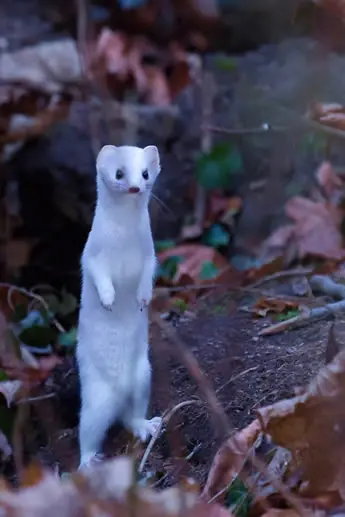
The ermine represents far more than just an animal. It is a powerful symbol of the indomitable warrior maiden, embodying the very essence of courage, nobility, and purity in the Celtic spirit.
Proud and graceful, the ermine evokes the image of a fearless warrior, ready to face the most formidable challenges with unwavering determination. Its immaculate fur, speckled with black, symbolizes the inherent duality of the human condition, where purity and strength blend in perfect harmony.
For the Celts, the ermine is a living symbol of the struggle for integrity and justice, reminding warriors of the importance of staying true to their convictions even in the darkest times. The ermine’s white fur dotted with black could be interpreted as a symbol of the balance between good and evil, light and shadow. This reflects how the Celts perceived duality not as opposition but as a necessary equilibrium.
The ermine is also associated with Celtic ritual practices. It might have been invoked for rituals of protection, purification, or to bestow courage and determination upon warriors before battle. Its agility and ability to survive in harsh environments make it a symbol of resilience and adaptability.
In Celtic tradition, the ermine is closely linked to the goddess of war and sovereignty, Macha or Morrigan, embodying the indomitable spirit and fierce determination of Celtic women in their quest for freedom and independence. These goddesses, often depicted with totemic animals like the ermine, symbolize feminine power and the capacity for transformation, guiding warriors not only in battle but also in their pursuit of spiritual sovereignty.
Its image is frequently invoked in epic tales of battles and conquests, where its presence inspires fighters to excel and defend their honor and homeland valiantly. In these narratives, the ermine represents not only an external force but also an inner call to justice, truth, and honor, reminding the Celts that true victory is the triumph of the soul.
The goose holds deep significance, being associated with both war and divination. Among the Celtic Bretons, this noble creature was imbued with a mystical aura, elevated to the status of a tabooed food alongside the hen and the hare. This prohibition reflects the sacred respect the Celts had for these animals, recognizing their close ties to the invisible forces that govern the universe.
Indeed, the goose, like the swan, is often seen as a messenger from the beyond, a bridge between the earthly realm and the celestial spheres. Its majestic flight across the skies evokes a connection with deities and ancestral spirits, making it a spiritual guide for those who can interpret its movements among the clouds. In Celtic mythology, some tales speak of geese accompanying the souls of the deceased to the otherworld, ensuring their safe passage under the protection of deities.
In Celtic tradition, the goose is also associated with war, symbolizing the bravery and determination of warriors on the battlefield. Its shrill call, often heard as a warning or rallying cry, resonates as a call to vigilance and the defense of the sacred. The goose, with its protective behavior and keen sense of territory, reminds the Celts of the importance of defending their home and homeland with courage and vigor against hostile forces. This symbolism is reinforced by the fact that the goose, despite its apparent gentleness, can be fierce and fearless when protecting its kin or territory.
Moreover, the goose is frequently mentioned in Celtic divinatory practices, where its movements and calls were interpreted as omens of good or ill fortune. Druids, keepers of esoteric knowledge, often consulted geese for insights into the future and the hidden mysteries of the universe. They might observe the flight formations of migrating geese to predict upcoming events, using these celestial signs as coded messages from the gods. As intermediaries between worlds, geese were also venerated in certain rituals, serving as a tangible link to supernatural forces and protective spirits.
The bear held a prominent place, likely being the most revered animal until the advent of Christianization, which symbolically replaced it with the lion. Regarded as a being of paramount importance, the bear elicited deep respect and ancestral veneration among the Celtic peoples. Its image was ubiquitous in mythology, rituals, and druidic symbols, making it a central figure in the Celtic animal pantheon.
It is often mentioned that the bear was seen as the ancestor of man, a belief perhaps supported by its ability to stand on its hind legs, thus symbolically evoking a connection with humanity. This capability endowed it with an aura of power and majesty, reinforcing its reputation as a symbol of kings and rulers. In some Celtic traditions, it was even said that kings and clan chiefs possessed the spirit of the bear, granting them strength and wisdom in their decisions. The bear embodied qualities of strength, courage, invincibility, and virility, making it a model of bravery and determination for Celtic warriors. Its dense fur and ability to hibernate were also associated with regeneration and the cycle of life, symbolizing resilience and continuity within natural cycles.
The Gaulish root of its name, "art," resonates in historical echoes, linked to the legendary figure of King Arthur, the famous leader of the Knights of the Round Table. This semantic connection between the bear and Arthur highlights the cultural and symbolic importance of the animal in Celtic society, where its presence was closely tied to the epic tales and heroic legends that shaped the collective identity of the Celtic people. Additionally, some scholars suggest that bear cults were related to ancient shamanistic practices, where the bear spirit was invoked for protection and healing.
The bear was also associated with several Celtic deities, notably Artio, a Gaulish bear goddess who watched over the wildlife and forest, symbolizing the raw power of nature and the balance between wild forces and civilization. In this perspective, the bear was not only a symbol of physical strength but also of deep wisdom, introspection, and connection to the natural world.
Through its hibernation, the bear was also linked to the concept of renewal and rebirth. The Celts saw it as a master of cyclical time, capable of traversing periods of sleep and awakening as an allegory for the seasons and the regeneration of nature. This connection to seasonal cycles further reinforced the bear’s importance in Celtic rituals and beliefs, making it a sacred animal embodying both raw strength and spiritual wisdom.
The fossil sea urchin holds particular significance, being perceived as much more than a mere geological artifact. According to tradition, the fossilized sea urchin is actually the sacred egg of a serpent, and acquiring it requires the meticulous adherence to an ancient ritual. This precious object is considered the very symbol of the world egg in Celtic cosmology, containing within it a prodigious concentration of primordial energy. The cosmic egg, present in various mythologies, often represents the beginning of all things, and the fossil sea urchin, as an embodiment of this egg, was thus seen as a source of life, abundance, and fertility.
Obtaining the fossilized sea urchin grants its bearer magical protection against poisons, toxic vapors, and even defeat on the battlefield. This protection extended beyond mere physical dangers to more subtle aspects of life, such as curses or the malevolent influences of invisible enemies. In addition to providing defense against physical threats, this legendary artifact was also believed to facilitate victory in legal disputes and challenges against kings, making its possessor a champion in judicial and political matters. Thus, the fossil sea urchin was not only a talisman of protection but also a symbol of authority and power, endowing its holder with the strength needed to overcome life’s challenges.
Popular belief holds that the egg contains not only material treasures but also esoteric and spiritual knowledge, revealing the world’s most closely guarded secrets. Its discovery was considered a true miracle, granting immense authority and power to the finder. Some ancient texts suggest that the fossil sea urchin had the ability to open doors to other worlds or dimensions, allowing its possessor to communicate with spirits or receive prophetic visions. It was also said that one who possessed such an artifact could access the forgotten knowledge of ancient druids, including information on medicinal plants, magical rituals, and the mysteries of nature.
In Celtic society, where the symbiosis between humans and nature was paramount, owning a fossil sea urchin was seen as a sign of divine favor, a direct link to the creative forces of the universe. It was not only a powerful object but also a reminder of the interconnectedness of all living beings and the importance of respecting natural cycles. As such, the fossil sea urchin was often kept in sacred places, shielded from profane eyes, and passed down through generations as an invaluable heritage.
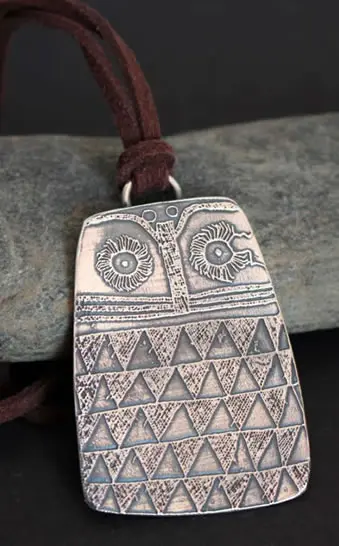
The horned owl, as a creature of the night, stands out as a messenger of lunar and nocturnal knowledge. This enigmatic bird is closely connected to the realm of the night, where stars shine and the secrets of the universe are revealed in the deep darkness. For the Celts, the owl embodies much more than a mere nocturnal animal. Its silent flight through the darkness is perceived as an exploration of the depths of the human soul, while its piercing gaze seems to penetrate the veils of illusion to access hidden and profound truths.
The horned owl is often seen as a protector of wandering souls and nocturnal travelers, offering guidance in times of doubt and uncertainty. Its piercing and mysterious call, often heard in the middle of the night, is interpreted as a warning or announcement of significant events, a portent that only the initiated can truly understand.
Associated with the moon, the owl also evokes intuitive and feminine wisdom, in harmony with the lunar cycles that govern not only the ocean tides but also the subtle rhythms of life. Its connection with the moon reinforces its role as a spiritual guide, particularly for those seeking to understand the mysteries of the inner world. As a totem animal, the owl inspires those who aim to develop their clairvoyance, intuition, and connection with lunar energies.
In Celtic traditions, the horned owl is often depicted alongside lunar deities such as the Celtic moon goddess Arianrhod or the goddess of wisdom, Brigid. Its presence in these mythological narratives reinforces its status as a guardian of lunar and nocturnal mysteries, revealing to the initiated the paths to spiritual enlightenment and understanding of the eternal cycles of life and death. The owl is also associated with the concept of rebirth, as, like the moon, it symbolizes the cycles of ending and renewal.
Beyond its graceful silhouette and natural elegance, the doe carries profound meanings, symbolizing the eternal quest for wisdom through the hunt. For the Celts, pursuing the doe was a spiritual journey, a search for truth and knowledge. The doe, agile and vigilant, was seen as a guide in this quest, leading hunters through the mysteries of the wild and the hidden teachings of ancient forests.
In Celtic mythology, the doe is often associated with divine feminine figures such as Flidais, the goddess of forests and wild animals, who could transform into a doe. This association strengthens the link between the doe and the sacred dimension of nature, making her an embodiment of fertility, gentleness, and beauty. She is also viewed as an intermediary between the mortal world and the Otherworld, or Sidh, a mystical realm often linked with elves and fairies.
Her graceful demeanor evokes the human soul’s quest for spiritual elevation, while her survival instincts embody perseverance in the face of life’s obstacles and challenges. Hunting the doe was thus an act of communion with the forces of nature, a way to connect with the primordial energies that govern the universe. The pursuit of the doe can be seen as a metaphor for inner exploration, where each movement of the animal through dense woods symbolizes the mysterious paths one must follow to uncover hidden wisdom.
In this quest for wisdom, the doe becomes a symbol of guidance and inspiration. Her image reflects the relentless search for truth, the pursuit of perfection, and the fervent desire to transcend the limitations of human existence. Each step in tracking the doe was a step toward enlightenment, self-realization, and the discovery of the universe’s best-kept secrets. In this context, the doe is not merely prey but a spiritual guide, helping druids and hunters achieve a deeper understanding of the world around them and draw closer to the deities.
The owl rises as a potent symbol of knowledge, vigilance, and hope that extends beyond the boundaries of life and death. Representing the connection between the visible and invisible worlds, the owl serves as a spiritual guide, intimately linked to the cycles of the night and the revelation of hidden mysteries.
Knowledge is the primary attribute associated with the owl in Celtic tradition. With its keen, penetrating eyes and scrutinizing gaze, it seems to delve into the universe’s darkest secrets. For the Celts, the owl embodies ancient wisdom and hidden knowledge nestled within the folds of the night, ready to be revealed to those who dare explore the depths of their own being. As a guardian of this knowledge, the owl was often seen as a guide for druids, offering them clarity of vision and understanding of occult truths.
Vigilance is another inherent quality of the owl. As a nocturnal bird, it watches over the dark hours of the night, safeguarding the secrets and mysteries of the darkness. Its silent presence evokes the necessity to be attentive to subtle signs and hidden omens along one’s path, reminding individuals of the importance of staying vigilant and aware in the face of life’s challenges. This vigilance also underscores the importance of patience and observation in the pursuit of spiritual knowledge, where truth is revealed to those who know how to wait and listen.
Finally, the owl embodies hope in the afterlife. Its mysterious presence invokes the belief in an existence beyond death, where souls find refuge in celestial realms. For the Celts, the owl was a spiritual guide, a messenger between worlds, offering hope for light and redemption even in the deepest darkness. In some legends, the owl is associated with the moon goddess, Arianrhod, or the goddess of wisdom, Brigid, reinforcing its role as a guardian of souls and protector of the secrets of the afterlife.
Additionally, the owl’s call, often perceived as an omen, could be interpreted in various ways depending on the context. It might signal important changes or serve as a guide during times of transition, whether in physical life or spiritual stages. This duality between an omen of death and a signal of renewal made the owl a powerful symbol of transformation, representing both the end of one cycle and the beginning of another.
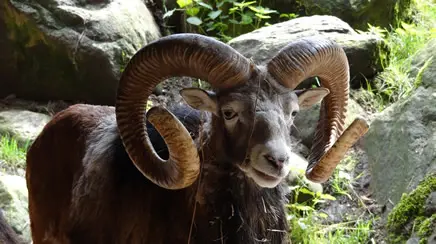
The ram stands as a powerful embodiment of the raw force of nature and masculinity. It represents qualities deeply rooted in the essence of existence, symbolizing both the power of the elements and male vigor.
The force of nature is the primary attribute associated with the ram in Celtic tradition. With its powerful horns and imposing stature, it symbolizes the vitality and robustness of the wild elements that shape the world around us. The Celts saw it as the ultimate expression of the earth’s primal power, reminding people of the need to respect and fear the untamed forces governing their environment. As a totem of this elemental strength, the ram is often linked to rites and ceremonies designed to honor the earth and its natural cycles.
Masculinity is also a quality associated with the ram in Celtic symbolism. As the dominant male of its herd, it embodies male power and firmness of character. Its proud posture and fearless behavior remind the Celts of the importance of bravery and determination in the pursuit of excellence and success. The image of the ram is frequently used to represent virile strength in battles and trials, embodying the ideal of the courageous and resolute warrior.
Furthermore, in many Celtic cultures, the ram is associated with warrior and fertility deities such as the Celtic god of war, Toutatis, or the god of fertility and prosperity, Cernunnos. Its presence in these mythological narratives reinforces its status as a symbol of virility and strength, reflecting its importance in the collective imagination of the Celtic peoples. The ram is also sometimes linked to protective deities and symbols of renewal, such as the god of vegetation and growth cycles, thereby emphasizing its role in the fertility of the earth and natural regeneration.
Additionally, the ram is often associated with elements of Celtic astrology and seasonal cycles, particularly spring. Its role as a symbol of renewal and vital force is especially prominent during this season, representing the return of life and the renewed vigor of nature after winter. This association further underscores the ram’s role as an emblem of power and fertility in Celtic traditions.
The stag emerges as a symbol deeply woven into the fabric of life and death, evocative of longevity, abundance, and cyclical renewal in a compelling manner. Its sacred status is illustrated by the shedding and regrowth of its antlers, a perpetual cycle that symbolizes the timeless rhythms of nature and the constant renewal of the natural world.
Longevity is one of the qualities associated with the stag in Celtic tradition. Its majestic appearance and resilience in the face of life’s challenges remind the Celts of the perseverance and inner strength needed to overcome trials and thrive despite obstacles. The stag’s antlers, which fall and regrow each year, are seen as a sign of perpetual regeneration, illustrating nature’s ability to renew and revive beyond individual life cycles.
Abundance is also closely linked to the stag. As the guardian of forests and plains, it symbolizes fertility and prosperity, ensuring the generosity of nature and the richness of harvests. Its presence in mythological narratives underscores its essential role in the ecological and economic balance of Celtic societies. The wealth brought by the stag is perceived not only in material terms but also spiritually, with the stag serving as a mediator between the terrestrial and spiritual worlds.
The Gaulish god Cernunnos, often depicted with stag antlers on his head, embodies the fusion of life and death, renewal and fertility. These antlers symbolize the eternal cycle of life, where each shedding is followed by new growth, reminding the Celts of the continuity of existence despite the vicissitudes of time. Cernunnos is also associated with the forces of nature, both as a protector of wild animals and forests and as an emblematic figure of earthly fertility.
Moreover, stag antlers evoke masculinity and male fertility, complementing the mother goddess in a sacred duality that symbolizes the harmonious union of masculine and feminine forces in the universe. Together, they represent completeness and balance, the very foundations of life and creation. This union between the stag and the mother goddess illustrates the balance necessary to maintain harmony in both the natural and spiritual worlds, where each element plays a crucial role in the grand cycle of existence.
The horse emerges as a complex symbol, merging warrior, solar, and aquatic attributes within Celtic tradition. It is associated with hunting, warfare, and also embodies the fiery course of the sun and moon across the infinite sky. Additionally, in its impetuous gallop, it evokes the power of the elements, sometimes representing the tumultuous waves of the ocean.
As an indispensable companion on the battlefield and in the forests, the horse embodies strength, speed, and agility—essential qualities for survival and victory. In epic tales, Celtic warriors are often depicted on horseback, with their steed symbolizing their courage and status. The horse thus represents bravery and effectiveness in hunting and warfare, as well as a deep connection to natural and spiritual forces.
The horse is also linked to the frenzied course of the sun across the sky during the day, and that of the moon at night. In Celtic mythology, horses are frequently depicted as the chariots of solar and lunar deities, transporting gods across the heavens in a perpetual cosmic dance. This association symbolizes the cyclical dynamics of life, light and darkness, and the passage of time.
Moreover, the horse can also be interpreted as a symbol of water in certain contexts. Its fluid gait and graceful movements evoke the rolling waves of the ocean, reminding one of the boundless power of natural elements. This aquatic dimension of the horse highlights the relationship between the animal and primordial forces of nature, as well as the necessity to respect and honor these powers.
The horse also holds significant importance in Celtic culture and spirituality as a symbol of freedom and movement. It represents the spiritual journey and quest for knowledge, as well as the interconnection between the earthly world and divine realms. Its role in Celtic legends and rituals underscores its importance as a messenger and guide, linking the mystical and material aspects of existence.
The dog stands as a symbol of unwavering courage and steadfast bravery. Beyond its role as a faithful companion, the dog embodies the most honorable warrior virtues, ready to defend its master with unshakable loyalty on the battlefield.
Associated with war, the Celtic dog represents the fierce strength and audacity of Celtic warriors. Its presence alongside fighters was not only reassuring but also inspiring, reminding people of the importance of courage and determination in the struggle for victory and honor. Dogs were often trained to be active partners in battle, enhancing their significance as symbols of bravery and fidelity.
As a messenger of the beyond, the dog also holds a profound spiritual dimension. In Celtic tradition, it is often seen as a guide between worlds, carrying messages between the living and the dead. Its barking in the night evokes the presence of ancestral spirits, reminding people of the continuity of life beyond physical death. This guiding role is particularly notable in beliefs associated with ancestral spirits and the concept of passage to the afterlife, where the dog is viewed as a protector of souls in transit.
Some accounts suggest that the dog replaced the wolf in Celtic mythology, symbolizing a transition between ancient beliefs and new interpretations. While the wolf was once associated with ferocity and wildness, the dog now embodies loyalty and domestication, reflecting the evolution of values and perceptions over time. This change in symbolism can also be seen as a manifestation of the evolving relationship between humans and animals, with the dog becoming a symbol of civilization and community, in contrast to the wild nature represented by the wolf.
In its role as guardian and protector, the dog is also linked to several Celtic deities, such as Lugus, the god of healing and light, who is sometimes depicted with dogs in mythological representations. This divine connection reinforces the perception of the dog as both a powerful and sacred being, a faithful companion in earthly trials and a guide in spiritual mysteries.
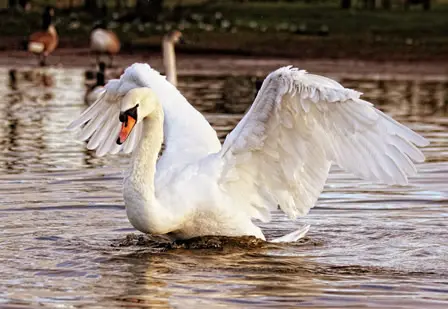
The swan stands as a powerful symbol, particularly in Ireland, where it is revered as the preferred messenger of the afterlife. It is said that beings from the *Sidh*, the inhabitants of the Otherworld, often take the majestic form of a swan when crossing the veil that separates spiritual realms from human realities. This magnificent white bird thus embodies the connection between worlds, acting as a bridge between terrestrial and celestial spheres. In some traditions, the swan is also associated with rites of passage, symbolizing the soul’s transition to the other world and marking the beginning of a spiritual journey towards light and wisdom.
The swan is also a symbol of royalty and sacredness, embodying the immaculate purity of light. Its brilliant whiteness evokes beauty and innocence, as well as femininity in its purest form. In many Celtic legends, the swan is associated with goddesses of love and fertility, representing the grace and delicacy of the feminine soul. For instance, in Celtic mythology, the swan is often linked to figures such as the goddess Brigid, who is a deity of poetry, healing, and fertility. The swan thus becomes a symbol of divine harmony and feminine creativity.
Furthermore, the swan is closely tied to love, representing romance and passion in mythological tales and traditional stories. Its graceful elegance and melodious song captivate the hearts of both men and women, evoking the deepest emotions of the human soul. In certain legends, swans are also associated with tragic love stories or magical transformations, reinforcing their role as symbols of eternal love and transcendent beauty.
Swans also appear in contexts where they embody wisdom and clear vision. Their ability to navigate both on water and in the air makes them symbols of duality and balance between the physical and spiritual worlds. This dual nature is often interpreted as a representation of the soul’s capacity to traverse material and spiritual realities, reflecting the harmony between the visible and invisible worlds.
The dragon stands as a formidable symbol of primordial strength, drawn from the depths of the nurturing earth. It represents the very embodiment of power and fertility, holding particular significance as a representation of the emperor in the Celtic pantheon.
In Celtic tradition, the dragon is often associated with cosmic and terrestrial forces. Its presence is seen as a manifestation of elemental powers rooted in the mysteries of the earth. With its shimmering scales and imposing stature, the dragon evokes the raw strength and majesty of nature in its most primitive form. Legends describe the dragon as a guardian of hidden treasures and secret knowledge buried deep within the earth, underscoring the sacred link between material wealth and ancient wisdom.
As a guardian of treasures, the dragon also symbolizes abundance and prosperity. Its fiery scales evoke the fecund warmth of the sun, while its deep roars resonate like thunder announcing beneficial rain. In Celtic tales, the dragon is frequently connected to fertile deities, such as the Celtic Earth Mother or goddesses associated with nature and fertility, embodying the sacred bond between the nurturing earth and the prosperity of its offspring. It represents the fertility of the soil, capable of producing abundance and wealth for those in harmony with natural cycles.
The dragon is also a symbol of emperorship and royalty in Celtic mythology, representing sovereign authority and governing power. In mythological narratives, it is often linked to heroes and kings who, through their courage and strength, seek to dominate and protect their realm. Its presence in ritual practices and royal artifacts reflects its importance in Celtic culture, where it embodies strength, protection, and legitimate power, ensuring the safety and prosperity of the nation.
Moreover, the dragon in Celtic tradition is sometimes associated with aspects of transformation and renewal. Its ability to regenerate, change forms, and transcend physical limits also makes it a symbol of immortality and spiritual continuity. Tales often depict the dragon as a mystical being that transcends the cycles of life and death, adding an additional dimension to its symbolism of power and fertility.
The lion stands as a powerful emblem of courage and royal power. Embodying warrior strength and sovereign majesty, it is often seen as a close companion to the dragon, sharing similar characteristics and symbolic attributes.
In Celtic tradition, the lion symbolizes bravery and power. Its flamboyant mane and proud gaze represent the very essence of courage and determination. It evokes the indomitable strength of Celtic warriors on the battlefield, reminding of the importance of boldness and firmness in the quest for victory and honor. The lion represents warrior might, inspiring heroes to exhibit resilience in the face of the greatest challenges.
As a representation of royal power, the lion is also associated with sovereignty and nobility. Its majestic appearance and aura of grandeur evoke the glorious reigns of kings and queens, symbolizing the legitimacy of power and the dignity of the crown. In Celtic myths and legends, the lion is sometimes linked to royal and heroic figures, embodying the legitimacy and authority of the sovereign, as well as the protection of the realm.
The lion shares many symbolic similarities with the dragon, both representing strength, power, and protection. Together, they embody sovereign authority and the defense of national interests. In certain Celtic traditions, this association between the lion and the dragon symbolizes the balance between raw strength and mystical wisdom, offering a complete image of the power and stability needed to govern and protect a nation.
The lion is also a symbol of resilience and regeneration. In some traditions, it is considered a being capable of overcoming adversities and emerging stronger, reinforcing its role as a symbol of persistence and renewal in the cycles of life and royalty.
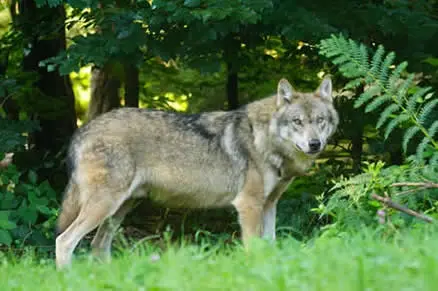
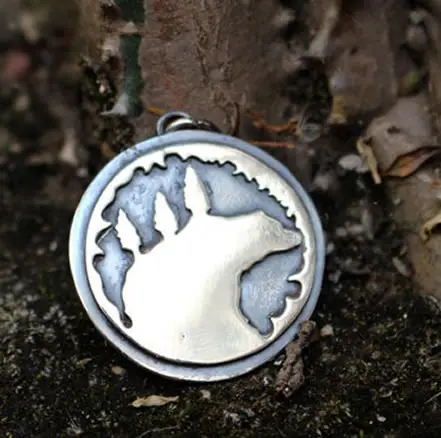
The wolf held a prominent place in Celtic culture, especially among the Gauls, where it was revered as a powerful symbol of war, courage, and loyalty. It embodied the ideal virtues of Celtic warriors, becoming an emblematic figure with deep significance.
For the Gauls, the wolf was not merely a formidable predator but also a heroic figure, representing bravery and determination on the battlefield. Its fearless strength and ability to hunt in packs made it a symbol of collective power and combative spirit. The wolf epitomized the Celtic warrior in all his fervor, ready to face the most daunting challenges with unparalleled courage and relentless strategy.
Additionally, the wolf was associated with qualities of fidelity and loyalty, which were essential in a society where honor and trust were paramount. The Gauls saw it as a steadfast companion and a fierce protector of its clan, willing to defend its group to the death. This association with loyalty reflected the importance of solidarity and unity within the Celtic community, particularly in times of crisis.
Over time, the wolf was gradually replaced by the dog in Celtic symbolism. This transition represents a broader change in Celtic society as cultural practices evolved towards a more settled and agricultural organization. The dog, as a domestic companion, became the symbol of loyalty and daily assistance, better suited to the new realities of rural and pastoral life. Despite this shift, the legacy of the wolf in Celtic culture remains significant, highlighting the complexity and depth of the relationship between the Celts and the animals that inhabited their world.
The butterfly occupies a delicate place in Celtic symbolism, leaving behind few tangible traces but carrying profound meanings. For some, it embodies the soul liberated from its earthly shell, metamorphosing into a new form of life beyond the bounds of materiality.
The butterfly evokes transformation and transcendence, symbolizing the transition from earthly life to a spiritual and ethereal existence. Just as the caterpillar transforms into a butterfly, the human soul frees itself from the mortal body to ascend to new horizons, unbound by material constraints and earthly limitations. This metamorphic cycle, from egg to caterpillar, then to chrysalis, and finally to butterfly, serves as a powerful metaphor for rebirth and renewal. In Celtic mythology, this cycle could also symbolize reincarnation or the continuity of the soul through various lives.
In addition to its spiritual connotation, the butterfly is also seen as a divine messenger. Its ability to appear suddenly and move gracefully from one place to another makes it a suitable bearer of messages from the gods or ancestors. It is often regarded as a link between worlds, acting as a bridge between the terrestrial realm and the celestial spheres.
The butterfly is also closely associated with the spring season, representing renewal after winter. Its emergence in spring is seen as a sign of nature’s rebirth and life following the apparent death of winter, aligning with Beltane celebrations, which honor life and fertility.
Finally, the butterfly is frequently linked to goddesses of love or fertility in certain Celtic legends, embodying the grace and delicacy of the feminine soul. Its presence in Celtic art and mythology highlights its significance as a symbol of beauty, renewal, and spiritual connection.
The fish stands as a captivating emblem of wisdom and knowledge, holding the mysteries of the ocean’s depths within itself. Beyond its animal aspect, it embodies a multitude of meanings, evoking immortality and the eternal quest for truth.
In Celtic traditions, the fish is often associated with wisdom and knowledge. Its aquatic habitat links it to the mysteries of primordial waters, symbols of the depths of the unconscious and the hidden sources of human wisdom. By exploring the tumultuous waters of life, the fish inspires people to dive deep within themselves to uncover hidden truths and valuable teachings of the universe.
In Celtic mythology, fish are also seen as spiritual guides, navigating through the invisible currents of existence to lead souls to the discovery of deeper truths. Their connection to water, a central element in Celtic beliefs, ties them directly to notions of purification, regeneration, and rebirth. Water is viewed as a gateway to the other world, and fish, which live within it, are symbols of the connection between life and death, as well as guardians of the mysteries of the beyond.
Among fish, the salmon particularly stands out as a symbol of immortality. In many Celtic legends, the "Salmon of Wisdom" (or "Salmon of Knowledge") is a prominent figure. It is renowned for its exceptional life cycle, swimming upstream to spawn in the very place where it was born. This process of regeneration evokes the continuity of life through generations, symbolizing the eternity of the soul and the perpetuity of knowledge passed down from generation to generation.
In some versions of the myth, eating the flesh of this salmon grants infinite wisdom, a theme that underscores the importance of knowledge and accumulated experience. The salmon thus becomes a metaphor for the quest for understanding, where effort, perseverance, and a return to the sources are essential for achieving a deeper comprehension of the world.
Moreover, the Celts considered rivers and lakes, the natural habitats of fish, as sacred places, gateways to the other world. Thus, the fish, as a resident of these sacred waters, was often seen as a divine messenger, bearer of revelations and prophetic visions.
The wren emerges as a poignant symbol of priesthood and spirituality, distinguished by its delicate yet powerful presence in the avian world. In contrast to the raven, which embodies warrior strength and bravery, the wren represents the serene wisdom and spiritual depth of the druids, the custodians of sacred knowledge and ancient rituals.
Despite its small size, the wren is revered as the bird of the druids, those spiritual guides and keepers of Celtic tradition. It is often seen as a divine messenger, capable of penetrating the deepest secrets of the universe. With its tiny stature and melodious voice, it embodies modesty and discretion—qualities essential for those seeking truth and knowledge beyond material appearances. Its gentle and soothing song evokes the divine presence and communion with the invisible forces governing the cosmos. In some traditions, the wren is also viewed as a solar bird, associated with light and renewal, further reinforcing its connection with wisdom and spiritual awakening.
As a symbol of priesthood, the wren reminds individuals of the importance of spirituality in their quest for truth and spiritual enlightenment. It represents the intimate connection between humanity and the divine, reminding druids and their followers of the need to cultivate a personal relationship with the sacred forces of the universe. In Celtic tales, the wren is sometimes depicted as a hidden king, symbolizing spiritual royalty manifested not through force or dominance, but through wisdom and humility. Its selection as the king of birds in some legends reflects the value the Celts placed on intelligence and spiritual cunning over brute strength.
Additionally, the symbolism of the wren is evident in the celebration of "Wren Day" or "The Wren Hunt," an ancient Celtic custom still practiced in some regions, where this bird is honored, often in the context of renewal and transition between the old and the new.
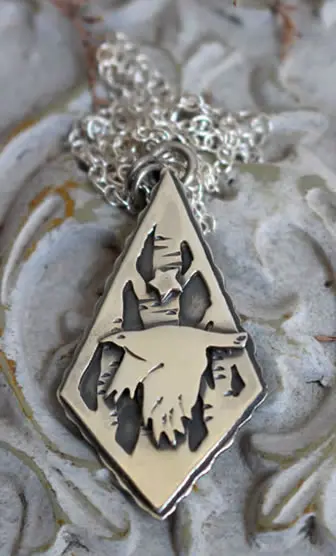
The raven stands as a formidable symbol of warrior sovereignty, embodying the power of gods of war and hunting. Associated with deities such as the goddess Catudobua, who can take the form of this bird, and Lug in his warrior aspect, the raven represents fury and bravery on the battlefield, leading warriors to victory with relentless determination. Its presence, often seen as an omen, signifies imminent death or glorious triumph, reminding fighters of the importance of courage in the face of adversity.
Yet, beyond its martial role, the raven is also a symbol of wisdom and profound knowledge. Its remarkable intelligence and observant behavior make it a spiritual guide for those seeking to unravel the mysteries of the universe. In many Celtic cultures, it is revered as a messenger of the gods, carrying divine messages between worlds and revealing the secrets of the afterlife to courageous mortals. The raven is frequently associated with prophecy, its cry interpreted as a sign of divine will or forthcoming events, which only the wisest can decipher.
The raven is also linked to hunting, evoking the cunning and agility required to track and capture prey. Its piercing call echoes through dark woods, heralding the imminent hunt and inspiring both fear and admiration in bold hunters. Through its ability to survive in harsh environments, the raven is seen as a symbol of resilience, survival, and mastery of the elements. It is not only a participant in the cycle of life and death but also a reminder of the invisible forces governing the natural world.
Finally, the raven embodies a fascinating duality in Celtic tradition: both destructive on the battlefield and a wise spiritual guide, it represents the contradictory forces of destruction and creation, death and renewal, highlighting the inextricable link between these aspects of existence.
The wild boar stands as a formidable symbol of combativeness, invincibility, and spiritual power. Representing the essence of warrior strength and determination, it embodies vigor and resilience in the face of adversity. To the Celts, the wild boar was not merely a formidable prey but a manifestation of the qualities every warrior aspired to possess: bravery, endurance, and an indomitable spirit.
Hunting the wild boar was not simply a quest for food or trophies but a sacred ritual aimed at acquiring knowledge and wisdom. The Celts believed that in pursuing the wild boar, they could access the hidden mysteries of the universe, but first, they had to gain the permission of the gods, thus honoring the divine forces that govern the world. This hunt was often viewed as a rite of passage for young warriors, allowing them to prove their worth and connect with the spiritual forces that rule the cosmos.
Beyond its martial aspect, the wild boar is also a symbol of fertility and abundance. In many Celtic cultures, it was revered as the guardian of the secrets of life and death, embodying the creative power of nature and the promise of cyclical renewal. The wild boar, with its raw strength and role as protector of the forests, was also associated with Mother Earth, symbolizing nurturing strength and the perpetual cycle of life.
The wild boar derives its knowledge and wisdom from the sacred acorn of the oak trees, which were venerated in Celtic tradition for their deep spiritual connection to the cosmos. By consuming this sacred food, the wild boar absorbs the vital force of the sacred tree, becoming a living symbol of the druid and his esoteric knowledge. The oak, being the king of the forests, reinforces the boar’s stature as a creature possessing superhuman strength and wisdom. For those who dared to consume its flesh, youth, health, and wisdom were promised, allowing them to transcend the limits of human existence and access the realms of divinity. In this sense, the wild boar is not only a symbol of physical strength but also a bridge between the material world and the spiritual realms, where ultimate knowledge and immortality can be attained.

The salmon stands out as a prominent symbol of sacred knowledge, embodying the precious wisdom that guides humanity toward spiritual and intellectual enlightenment. Like the boar, the salmon represents the essence of esoteric knowledge but with a particularly mystical and captivating aura. This fish, swimming upstream with unwavering determination, is often seen as a metaphor for the inner quest of man to attain higher wisdom.
Among the many salmon, one stands apart: the Salmon of Knowledge, also known as the Salmon of Llyn Llyn. According to legend, this salmon consumed the nine acorns of the sacred Tree of Knowledge, whose waters were guarded by the rivers Boyne or Shannon. As a result, it grew to a colossal size and absorbed all the knowledge of the world. This legendary salmon symbolizes the acquisition of wisdom through experience and the trials of life.
The pursuit of this salmon is therefore a vital quest for those who aspire to supreme wisdom. The one who captures and consumes it is destined to become the keeper of this divine knowledge, receiving the secrets of the universe and the transcendent wisdom that lies at the heart of all creation. This legend highlights the idea that true knowledge is not easily obtained: it requires a spiritual journey, sustained effort, and often, an initiatory trial. By eating the Salmon of Knowledge, the hero or druid gains not just information but a deep and intuitive understanding of the mysteries of existence.
Moreover, the salmon is also associated with the cycle of life, death, and rebirth. Its instinctive return to the waters where it was born to spawn evokes the notion of returning to one’s origins, reminding the Celts that ultimate wisdom lies in understanding natural cycles and living in harmony with the primordial forces of nature.
The serpent carries complex and ambivalent meanings, often associated with concepts of regeneration, fertility, and even the underworld, reflecting the inherent duality of this mysterious creature. In Celtic tradition, the serpent symbolizes both the forces of life and death, navigating between the visible and invisible worlds with an ease that makes it both fascinating and fearsome.
On one hand, the serpent is often linked to the underworld and subterranean realms, symbolizing dark forces and the mysteries of the afterlife. Its habit of slithering into the depths of the earth evokes hidden mysteries and the darkness of the unconscious, making it a guardian of esoteric secrets and hidden truths. In this role, it is seen as a mediator between the world of the living and that of the dead, a guide for those who dare to explore the darkest corners of their souls.
On the other hand, the serpent is also associated with regeneration and transformation, symbolized by its ability to shed its skin and be reborn in a new form. This capacity for renewal suggests resilience and the soul’s ability to transcend life’s trials and be reborn in a higher, more enlightened state. The Celts saw this shedding as a parallel to the natural cycle of life, death, and rebirth, a process essential for achieving spiritual fulfillment.
In some traditions, the serpent is also a symbol of fertility, as it burrows deep into the earth to lay its eggs, embodying the sacred connection between life and the nourishing earth. Its presence evokes the creative power of nature and the promise of cyclical renewal, reminding people of the need to respect and venerate the cycles of life and death. It embodies the vital energy that flows through the soil, animating plants, animals, and humans, and serves as a reminder of the importance of harmony with nature.
Additionally, in some Celtic tales, the serpent is seen as a symbol of healing and protection. This seemingly paradoxical view underscores the idea that the serpent’s power can be both destructive and curative, depending on how it is invoked.
The bull, adorned with its majestic three horns, embodies the power and strength of the god Enlil, a divine figure revered for his influence over the elements and fertility. Although Enlil is a Mesopotamian deity, the mention of his three horns might resonate with the multifaceted aspects of divine power in various cultures, including Celtic traditions, where the bull is often associated with gods such as Esus or Tarvos Trigaranus. The latter, for instance, is depicted as a bull with three cranes perched on its back, symbolizing triadic power and the cycles of life.
Its imposing presence in ritual practices underscores its crucial role in Celtic cosmology, where it is perceived as a sacred symbol of virility and creative power. In Gallic folklore, the bull is also linked to myths of fertility and renewal, embodying the vital force that animates fields and herds.
At the heart of Gallic rites, the bull was often the focus of conflicts and thefts, as its impressive strength and profound symbolism made it a source of power and prestige. Capturing or controlling the bull was considered a highly valuable act, ensuring divine favor and prosperity for those who succeeded in mastering it. In this context, the bull becomes a metaphor for the struggle for dominance, where mastering this imposing creature symbolizes the conquest of natural and spiritual forces.
As a symbol of virility, the bull represents raw strength and fertility, reminding men of their role in the perpetuation of life and the preservation of the natural order. In Celtic legends, there are tales where the bull is linked to sacrificial rituals intended to ensure the fertility of the land and the prosperity of the people. Its imposing image and majestic stature evoke the power of the sacred masculine, inspiring respect and admiration among those who venerate it. Thus, the bull embodies not only physical strength but also creative potential, connecting man to the earth and the natural cycles that govern existence.
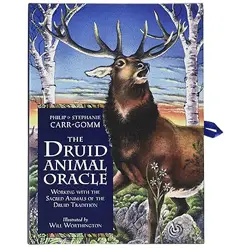
To learn more about the sacred animals of the Celts, we recommend you the following books:



OUR SERVICES
Customer reviews
Custom order
FAQ
Free shipping
Terms and conditions