






Jewelry from the Ancient Mediterranean
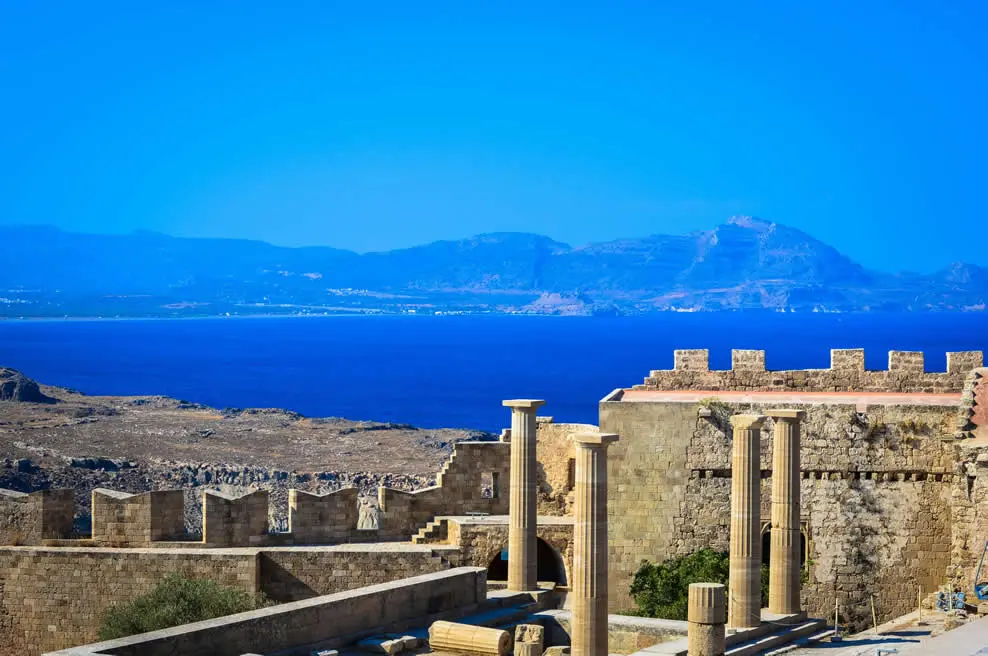
This page is part of our broader exploration of the history and archaeology of the world’s civilizations, with the aim of reinterpreting some of their creations that have inspired us in the form of jewelry. Here, we journey across the shores and islands of the ancient Mediterranean, cradle of major civilizations that have profoundly shaped the history of Europe, from Greece and the Mycenaean world to the Roman Empire.
The civilizations of the ancient Mediterranean form a fascinating ensemble. From the fortified palaces of the Mycenaeans to the Greek city-states, and later the expansion of Rome, these societies developed structured cultures sustained by trade, cultural exchanges, and complex belief systems. Their mythologies, their gods, and their founding narratives shaped a worldview in which the divine, nature, and human destiny are closely intertwined.
The Greeks, Mycenaeans, and Romans developed rich and sophisticated cultures, with artistic and artisanal traditions of great refinement. The use of gold, geometric patterns, mythological representations, and symbols of power or protection reflects a highly developed sense of aesthetics. Jewelry held an important place, serving not only as ornamentation, but also as a status marker and a meaningful object, often linked to beliefs and rituals.
These civilizations have left a lasting legacy that continues to influence Europe today, in fields such as art, architecture, philosophy, and craftsmanship. The forms, motifs, and techniques developed in Mediterranean Antiquity still inspire contemporary creators. Through their jewelry, an ancient memory endures, reflecting the richness, transmission, and symbolic power of this millennia-old heritage.
Jewelry of Ancient Greece
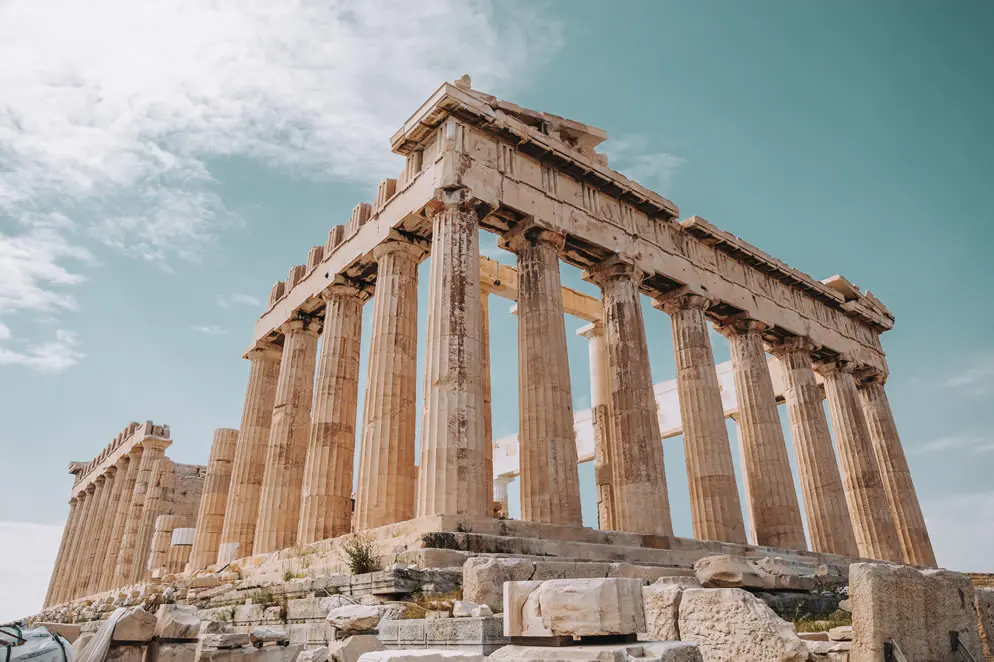
Ancient Greece is one of the most influential civilizations in European history, whose legacy still resonates across many fields. From city-states such as Athens and Sparta to the islands of the Aegean Sea, the Greek world was built upon strong values, combining a search for harmony, a warrior spirit, philosophical reflection, and a rich mythological tradition.
The Greeks developed a deeply structured culture in which gods, heroes, and foundational myths played a central role. Their vision of the world, both rational and symbolic, gave rise to artistic forms of great refinement, where balance, proportion, and attention to detail reflect a highly developed aesthetic ideal.
In this world, jewelry was not merely decorative. It served as a sign of belonging, a marker of status, and a bearer of meaning. Whether evoking protection, bravery, or the identity of a city, as in the case of Sparta, it embodies a part of the Greek spirit, blending discipline, strength, and cultural heritage.
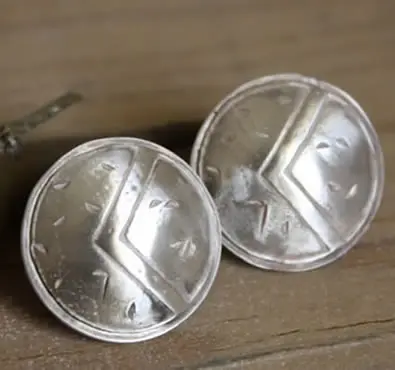
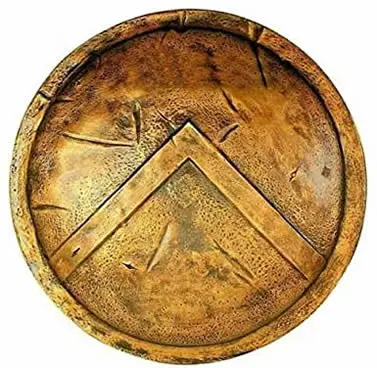
The Spartan shields cufflinks embody the legacy and bravery of the warriors from the city of Sparta, whose battlefield reputation is legendary. Custom-designed, these cufflinks meticulously recreate the famous Spartan shield, an iconic symbol of their strength and discipline. Every detail is carefully reproduced, from battle marks to engraved patterns, capturing the very essence of Spartan military life.
The Spartan shield, known as the "aspis" or "hoplon," was essential in phalanx combat formations, allowing warriors to protect themselves while forming an almost impenetrable wall. It was often adorned with significant symbols, and in the case of the Spartans, the letter lambda (Λ) was proudly displayed. This letter, representing the region of Laconia, of which Sparta was the center, was not only an emblem of regional pride but also a sign of unity and cohesion among the warriors.
The cufflinks we offer also feature this lambda symbol, paying homage to this ancient tradition and the bravery of the Spartans. By wearing these cufflinks, you not only sport an elegant accessory but also carry a piece of the military and cultural history of ancient Greece. Each piece is a testament to the courage and determination of Spartan warriors, capturing the spirit of their era while providing a touch of modern sophistication.
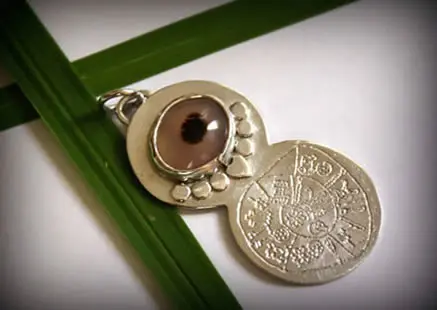
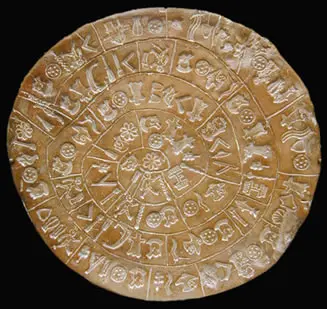
We also designed the Phaistos pendant, an elegant tribute to the famous ancient disc from which it draws its inspiration. This custom-made piece is directly inspired by the Phaistos Disc, a fascinating artifact discovered during archaeological excavations of the Minoan palace at Phaistos in Crete. This clay disc, which may date back to the second millennium BCE, is adorned with mysterious symbols engraved using stamps, present on both sides.
The Phaistos Disc is one of the most intriguing artifacts of Minoan archaeology due to the complexity and diversity of the symbols it bears. These symbols, resembling hieroglyphs, have not yet been fully deciphered, and their exact meaning remains a subject of debate among experts. Some theories suggest that these symbols could represent an ancient form of writing or a kind of ritual code, adding an aura of mystery to the object.
Our Phaistos pendant incorporates a stylized segment of the original disc, accompanied by a dendritic agate, carefully selected by our client, evoking the sophistication and mystery of antiquity. By wearing this piece, you carry a slice of history that reflects the grandeur and enigma of ancient civilizations. Every detail of the pendant is designed to capture the spirit of the Phaistos Disc while adding a contemporary touch to this archaeological treasure.
Jewelry of Crete and the Minoan World
Long before the rise of Ancient Greece, Crete was the center of a brilliant and mysterious civilization: the Minoan civilization. Developed in the heart of the Aegean Sea as early as the 2nd millennium BCE, it is considered one of the first great cultures of Europe, marked by its artistic refinement, maritime exchanges, and enigmatic symbols.
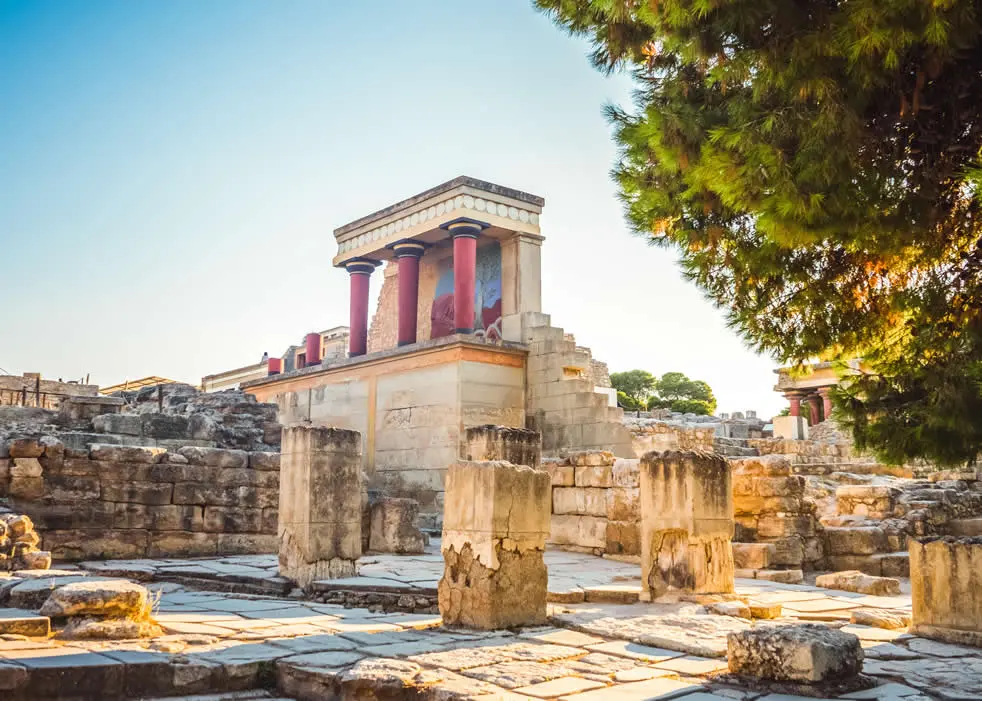
Minoan palaces, such as those of Knossos and Phaistos, reflect a complex organization and a distinctive aesthetic, where geometric patterns, stylized representations, and still undeciphered signs intertwine. The famous Phaistos Disc, with its mysterious symbols, perfectly illustrates the sense of mystery that still surrounds this fascinating civilization.
The Minoan world deeply influenced Greek imagination, giving rise to powerful myths such as the labyrinth, the Minotaur, and Daedalus. These stories, blending architecture, symbolism, and initiatory journeys, express a worldview in which reality and legend are closely intertwined. Through its forms, motifs, and mysteries, Minoan Crete continues to inspire, revealing the ancient roots of Europe’s cultural heritage.
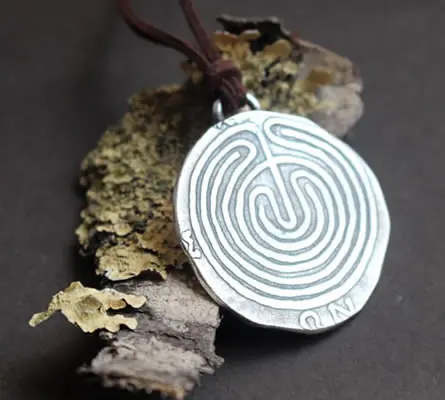
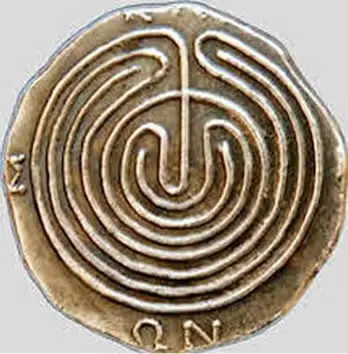
We created the necklace named “The Labyrinth of Knossos” by drawing inspiration from an object that may seem more common than others in our collection, yet whose clean design and powerful symbolism immediately captivated us. It is based on one side of an ancient coin from the city of Knossos, in Crete—a Greek territory steeped in myth and history.
This Cretan coin circulated throughout the Mediterranean basin between 200 and 67 BCE, at a time when Knossos, though in decline, still retained significant cultural influence. One of its faces features a stylized circular labyrinth, accompanied by Greek inscriptions identifying its origin.
In Greek imagination, the labyrinth is a symbol rich in meaning. It evokes the idea of an initiatory quest, as much as danger, death, heroism, and the necessity of a guide—such as Ariadne’s famous thread. To enter the labyrinth is to accept being lost, to face the unknown, and to emerge transformed. Reaching the center and finding the way out symbolizes an inner journey, a path toward knowledge or transformation.
But the labyrinth motif also more concretely refers to the Minoan palaces, especially that of Knossos, whose architecture was said to be so intricate and maze-like that it inspired the myth itself. According to legend, it was here that the architect Daedalus designed an actual labyrinth to imprison the Minotaur—a creature half-man, half-bull, born of Pasiphaë’s cursed love. It is within this setting that one of the most famous stories in Greek mythology takes place: Theseus, the Athenian hero, enters the labyrinth, slays the monster, and manages to escape thanks to the thread Ariadne had given him. What a heroic and extraordinary journey!
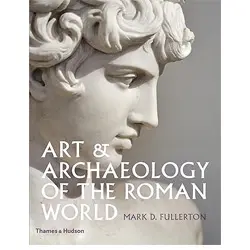
To deepen your knowledge of the art and history of Roman and Greek antiquity, we recommend the following books:



OUR SERVICES
Customer reviews
Custom order
FAQ
Free shipping
Terms and conditions