






Yellow agate: history, healing properties and lithotherapy
Physical characteristics and properties of yellow agate

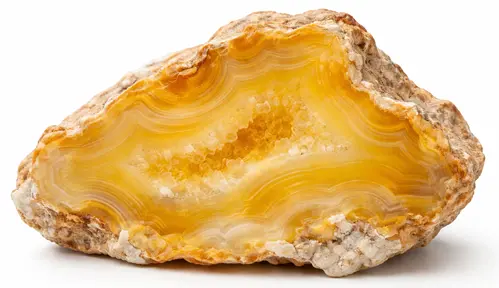
Yellow agate belongs to the large quartz family. More precisely, it is part of the chalcedony group, a variety of quartz with a microcrystalline structure. Yellow agate is distinguished by its banded structure, formed by layers of color typical of agates. These range from pale translucent yellow to a more opaque mustard yellow, sometimes with white, brown or slightly orange inclusions.
Yellow agate is composed mainly of silicon dioxide with very small amounts of aluminum, calcium, iron, magnesium and manganese. Its chemical composition can be written as SiO₂ + traces of Al, Ca, Fe, Mg, Mn. The presence of iron is often responsible for the yellow, golden or ochre tones of the stone. It is a fairly resistant stone, with a hardness of 6.5 to 7 on the Mohs scale, which makes it suitable for jewelry and for pieces worn every day.
Yellow agate forms under specific hydrothermal conditions, often requiring temperatures above 100 °C. It develops from silica-rich fluids circulating through volcanic rocks. These fluids slowly deposit silica inside cavities in the rock, such as bubbles or fissures left by volcanic gases. The agate then builds up through the successive accumulation of very thin layers of silica. This rhythmic crystallization process creates the characteristic bands that we observe, resulting from chemical, thermal and mineral variations during the formation of the stone.
Some yellow agates may also display translucent or slightly milky areas typical of chalcedony. Once polished, yellow agate often reveals a soft, silky luster that highlights its natural bands.
Main deposits: deposits of yellow agate can be found on almost every continent. It occurs in particular in the United States, Mexico, Brazil, Uruguay, Iceland, Morocco, Czechia and India. South American agates, especially those from Brazil and Uruguay, are among the most widely used in jewelry.
History, legends and beliefs about yellow agate
Only limited specific information is available about the history of yellow agate. It is rarely mentioned on its own, as it is often simply considered a variety of agate. In ancient texts, agates are generally described without precise distinction of color. However, yellow stones seem to have been particularly appreciated in symbolic contexts linked to the sun, warmth and the fertility of the earth.
The Egyptians used agates, like many other hard stones, to create sacred scarabs, talismans and protective amulets. Some traditions report that yellow agate or citrine could protect against snake bites and scorpion stings, two dangers that were very common in desert regions.
Among the Persians, an ancient belief claimed that agate, especially agates with sandy or golden colors, could ward off sandstorms and protect trading caravans crossing the deserts. The stone was sometimes worn as a talisman by travelers.
An agricultural belief connected with agate can be found throughout the Mediterranean world, particularly in ancient Greece and in the Roman Empire. Farmers sometimes placed agates in their fields, especially yellow agates or stones with earthy colors. Some accounts say that these stones were tied to the horns of plowing oxen, or buried in the furrows during sowing.
These stones were believed to calm the anger of the gods responsible for the weather and to protect the crops. Because of its color, similar to ripe wheat, yellow agate was associated with abundance and golden harvests. It was often linked to Ceres among the Romans, or to Demeter among the Greeks, the goddess of agriculture and harvests. In certain popular beliefs, the stone acted as a kind of spiritual lightning rod against hail, storms and the anger of Zeus or Jupiter.
During the Middle Ages and the Renaissance, particularly in Germany and Italy, it was believed that wearing a yellow agate could promote eloquence and help persuade others. This yellow stone, like the sun, bright and radiant, was sometimes worn in rings or pendants by courtiers who wished to attract the attention of the powerful and gain their favor. Agate was then seen as a stone of speech, persuasion and prestige.
Healing properties and benefits of yellow agate

Throughout human history, yellow agate has been surrounded by many interpretations and symbolic meanings. The information presented here is shared from a cultural and historical perspective, in order to illustrate the relationship that different civilizations have maintained with this stone over the centuries. It is presented within a documentary and historical approach and does not in any way constitute a therapeutic or medical recommendation, nor does it reflect our own beliefs.
- In lithotherapy, yellow agate is generally considered a stone of balance and self-confidence.
- It is believed to help dissipate irrational fears and strengthen self-esteem. In some modern traditions, this stone is associated with greater emotional stability and a more positive attitude when facing difficulties.
- Yellow agate is also sometimes described as a stone that could support mental clarity. It is believed to help combat dark thoughts, confusion and mental fatigue.
- It is also attributed with the ability to promote the assimilation of information, concentration and logical decision-making. For this reason, some people use it as a stone for study or reflection.
- In several approaches, the yellow color of agate is associated with the solar plexus, an energy center traditionally linked to willpower, vitality and digestion.
- In this context, yellow agate is sometimes mentioned as helping to soothe certain digestive or gastric disorders. It would stimulate the production of digestive juices and could, according to some beliefs, help improve tolerance to certain foods.
- Some contemporary traditions also attribute to it a role in regulating fatigue and lack of energy. Yellow agate would then be associated with vitality, motivation and physical energy.
- In the field of popular beliefs related to the skin, yellow agate is sometimes used to calm minor skin irritations. It is mentioned in certain practices for itching as well as for conditions such as acne, eczema, psoriasis or similar skin disorders.
- According to other interpretations derived from modern lithotherapy, yellow agate could promote cellular regeneration and help accelerate the healing of the epidermis. Within this framework, it is also said to contribute to slowing certain visible signs of skin aging.
- Finally, as the color yellow has traditionally been associated with the sun, warmth and vital energy in many cultures, yellow agate is sometimes perceived as a stone linked to joy, optimism and inner momentum. It may symbolize light, clarity of mind and the ability to regain confidence during periods of doubt.



 Please note that all healing properties attributed to stones come from ancient traditions and various cultural sources. This information is provided for informational purposes only and does not constitute medical advice. In case of any health concerns, it is recommended to consult a qualified professional.
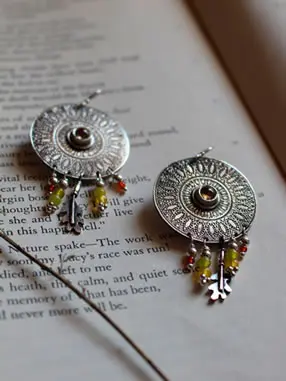
Yellow agate jewelry samples


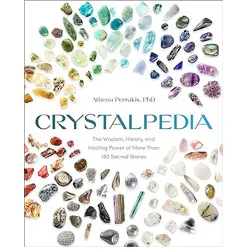
To learn more about litotherapy, we recommend you the following books:


OUR SERVICES
Customer reviews
Custom order
FAQ
Free shipping
Terms and conditions