






Coral: history, healing properties and lithotherapy
Coral properties
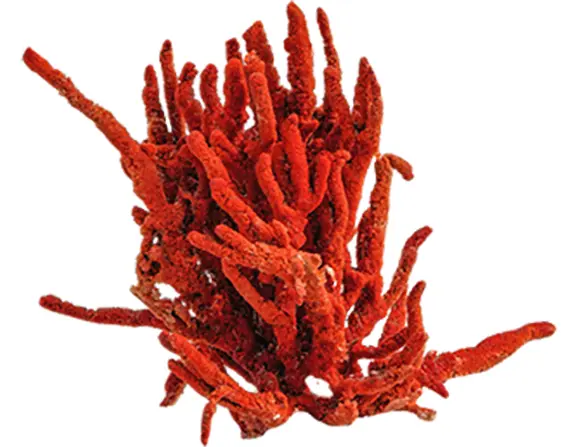
Coral is a unique organism formed by the accumulation of the calcareous skeletons of tiny polyps, whose tree-like structures form over decades, even centuries. Although coral is often classified among organic gems in jewelry, its composition is primarily made up of calcium carbonate (CaCO3), a mineral found in other natural materials such as seashells. The calcification process creates a dense crystalline matrix, giving coral its strength and durability, while still being sufficiently malleable to be cut and polished.
Coral is distinguished by its sensitivity to acids. Due to its calcareous nature, it can dissolve when it comes into contact with acidic substances, which requires special care for its preservation in jewelry or decorative objects.
In jewelry, the most prized varieties are red coral, also known as "Ox Blood," and pink coral "Angel Skin," mainly harvested in the Mediterranean and the Pacific. Coral colors are influenced by the minerals present in the environment where it forms, resulting in a chromatic diversity ranging from deep red to pure white, with rare specimens like blue or black coral, formed under specific conditions.
Living corals share a symbiotic relationship with microscopic algae called zooxanthellae, which play a crucial role in photosynthesis and provide corals with the energy necessary for their growth. This symbiosis also contributes to the vibrant coloration of certain coral species. In stressful conditions, such as warming waters, corals can expel these algae, a phenomenon known as bleaching, which weakens reefs and makes them vulnerable.
Coral reefs, not only visual masterpieces of the underwater world, also host an incredible biodiversity. These complex ecosystems provide a vital habitat for a myriad of marine species, thus contributing to the delicate balance of oceanic life.
Stories, beliefs and legends about coral
In his iconic work Metamorphoses, the Roman poet Ovid tells a fascinating story about the mythological origin of coral, linking it to the legend of Perseus and Andromeda. After saving Andromeda from a sea monster, Perseus uses the head of the Gorgon Medusa, whose petrifying gaze turns anyone who meets it to stone. As a precaution, he places Medusa’s head on a bed of seaweed to prevent her destructive power from causing further harm. Under the effect of the Gorgon’s gaze, the seaweed transforms into coral. The Greek word for coral, "Gorgeia," originates from this legend, in homage to the powerful Gorgons. This legendary story gave coral the status of a petrified stone, situated at the boundary between marine life and mythological magic.
The influence of this myth extended to Ancient Rome, where Romans revered coral not only for its beauty but also for its protective properties. Coral necklaces were traditionally given to children as talismans to protect them from illness and injury.
This custom, deeply rooted in tradition, endured through time, particularly during the medieval period when coral continued to be used for its supposed ability to ward off evil forces. In Italy, this practice persisted into the modern era, where coral is still regarded as a symbol of fertility. It was customary for women seeking to conceive to wear a small coral horn pendant, hoping to attract fertility and promote reproductive health.
During the Middle Ages, coral enjoyed an even more pronounced mystical reputation. It was frequently worn as an amulet to ward off spells and curses, reinforcing the idea that it possessed protective magical powers. This protective role extended to many aspects of daily life, where it was used to counter witchcraft and attract good luck. Wearing coral jewelry became a common practice among those seeking to guard themselves against malevolent influences.
In Renaissance painting, particularly in the works of Piero della Francesca, the infant Jesus is often depicted wearing a branch of red coral as a pendant. This type of ornament generally appears as small, irregular red branches hanging from the Child's neck. Throughout the Mediterranean, red coral was used as an apotropaic talisman, that is, intended to ward off evil. But in a Christian context, coral takes on a much deeper dimension: its intense red color directly evokes the blood of Christ, his future Passion, and his sacrifice.
In ancient China, coral was a symbol of wealth, power, and social status. Nobility and high-ranking officials often wore red coral, highly prized for its rarity and vibrant color. More than just a gem, coral served as a marker of authority and prosperity. The color and size of coral pieces worn indicated the social rank of the wearer. In imperial Chinese society, red coral was also associated with longevity and good fortune, two fundamental concepts in Chinese culture.
For Native Americans, although coral was not native to their lands, it was considered a sacred stone acquired through trade and incorporated into their spiritual rituals. It symbolized vital energy and was used as a talisman against negative energies and the evil eye. Among the Navajo, for example, coral was one of the four sacred stones used in ceremonies, representing the element of water and life. They believed that coral could strengthen the spiritual connection to nature and ancestors while offering physical and mental protection.
Throughout the ages and across civilizations, coral has transcended its nature as a simple marine formation to become a true talisman with multiple meanings. From ancient Rome to imperial China, and through Native American tribes, coral has established itself as a universal symbol of protection, fertility, and spiritual power. Even today, it retains this mystical aura, making it far more than just a decorative ornament.
Main deposits: Indonesia, Polynesia, Japan, Italy, France, Algeria and Canary Islands.
Healing properties and benefits of coral
Throughout history, coral has been recognized by numerous civilizations for its properties and virtues, both symbolic and material. Its role in traditional culture and medicine, as well as its decorative use, reflects the importance attributed to it across the ages. The information below is presented from a historical and cultural perspective and does not constitute medical or therapeutic advice.
- Coral is a natural source of calcium and magnesium, two minerals essential for bone and dental health.
- It may contribute to the prevention of osteoporosis and support skeletal strength, particularly in older adults.
- Coral has been associated with healthy intestinal function and, in certain traditions, may help regulate gastric acidity. It is also seen as supportive of blood circulation, promoting better tissue oxygenation and aiding cellular regeneration.
- Ancient practices report its use to relieve back pain, linked to its perceived role in strengthening the physical structure of the body.
- It is sometimes associated with improved communication between the nervous system and the brain, particularly with the thalamus, which regulates sensory functions.
- Coral is reputed to stimulate the sense of smell, adding a sensory dimension to its virtues and enhancing perception of the surrounding environment.
- Certain traditional texts highlight its role in awakening the senses and consciousness, connecting physical perception with symbolic or meditative dimensions.
- It is also considered a support for bone growth and a protector of energy during sensitive stages of development, often worn as a pendant or bracelet.
- It is associated with protection against negative influences and with reinforcing inner well-being.
- Coral is known to calm emotions, soothe anger, and stabilize moods, providing emotional support during stressful periods or major life changes.
- It is sometimes recommended to encourage patience, serenity, and resilience in the face of challenges.
- Some traditions also attribute to it a role in enhancing overall vitality and physical strength, as an element linked to life energy.
- It can symbolize family protection and harmony in relationships, due to its widespread use in talismans and protective jewelry throughout history.
Healing properties and benefits of red coral
- Red coral, bearer of the marine force and the vitality of life, has been celebrated by numerous civilizations for its beauty and its linked to blood and vital energy.
- Under the rays of the sun and touched by the air, it seems to transcend its organic form, enhancing its aura of protection and vitality.
- It has traditionally been recognized for soothing physical discomforts, such as hiccups, colic, and heartburn, in connection with its association with vitality.
- Red coral is associated with functions related to the kidneys, bladder, and parathyroid, reflecting its historical role in supporting the balance of the urinary and endocrine systems.
- In ancient traditions, it was considered an ally of fertility, assisting couples seeking to conceive and participating in conception rituals.
- It is also used to regulate the menstrual cycle, providing support acknowledged in certain cultures to relieve discomfort associated with this vital rhythm.
- Red coral is seen as a reinforcement for the immune system, particularly regarding respiratory conditions, and as a support for the body’s overall balance.
- It provides emotional grounding, helping to stabilize moods and calm emotional fluctuations during stressful periods.
- Historically, it has been employed as a shield against negative influences, often worn as a protective talisman, especially for children and pregnant women.
- For expectant mothers, it is considered a protective support for both mother and child, fostering a harmonious maternal bond and reducing certain risks during pregnancy.
- Linked to the color red, it symbolizes energy, passion, and vitality, stimulating courage, self-confidence, and the ability to overcome fears.
- It aids self-assertion, particularly in moments requiring important decisions, reinforcing inner strength and determination.
- Some traditions also attribute to it a role in general vitality, physical endurance, and support in facing daily challenges.
- Red coral is sometimes associated with creativity and inspiration, due to its presence in art and ornamentation since antiquity, connecting beauty, energy, and personal expression.
Healing properties and benefits of black coral
- Black coral, despite its dark connotations, has been recognized by many cultures for its ability to dispel nightmares and negative influences.
- It acts as a protective barrier, promoting a clearer inner path and warding off troubling thoughts.
- In traditional practices and lithotherapy, it is used to create an energetic shield, contributing to an environment conducive to serenity and mental security.
- Black coral is considered a stone of regeneration, symbolizing the capacity to renew oneself after difficult periods and to rise again in the face of challenges.
- By connecting to the deep forces of the earth and the sea, it helps to overcome trauma and facilitates personal transitions, making it a talisman of resilience particularly useful during major life changes or transformations.
- Physically, black coral has traditionally been associated with supporting the kidneys, bladder, and parathyroid, organs linked to toxin elimination and maintaining internal balance.
- It contributes to the regulation of bodily fluids, promoting a harmonious flow of vital energy.
- Black coral is sometimes used to stimulate male fertility, supporting reproductive vitality and physical endurance.
- It is also associated with hormonal balance and strengthening masculine life force.
- Emotionally, it acts as a stabilizer, calming anxiety and agitation, and helping to restore mental equilibrium.
- It absorbs negative vibrations and aids in gaining perspective during periods of intense stress.
- As a stone of spiritual protection, black coral accompanies purification and meditation rituals, reinforcing inner stability.
- It promotes connection with the deep energies of the earth and sea while creating a barrier against psychic or spiritual influences.
- The black color of the coral enriches its symbolism, associated with wisdom, power, and introspection.
- It evokes mystery and encourages exploration of inner shadows, helping to confront fears and find clarity in darkness.
- Black coral is sometimes considered supportive of concentration and deep reflection, aiding decision-making and self-mastery.
- Some traditions also attribute to it a regulatory effect on vital energy, enhancing overall vitality and resilience to challenges.
Healing properties and benefits of pink coral
- Pink coral, with its visual softness and delicate aura, has been celebrated in many cultures as a symbol of feminine fertility.
Beyond its aesthetic radiance, it emits an energy associated with femininity and creativity, strengthening the connection with personal essence.
- In lithotherapy, it is considered a guide to help women reconnect with their intuition and receptivity.
- It is reputed to stimulate female fertility and is often worn as a protective talisman and energetic support for those wishing to conceive.
- In certain traditions, it accompanies fertility rituals, harmonizing body and mind to create an environment favorable to conception.
- Physically, pink coral is associated with blood circulation, particularly beneficial for the reproductive and circulatory systems.
- It is also recognized for its soothing effects on the skin, helping to calm irritations and promote a radiant complexion.
- Its soft color aligns with the symbolism of the heart, maternal love, and tenderness, creating a connection with the emotional and physical dimensions of femininity.
- It helps balance emotions, easing tensions and dispelling fears related to motherhood or personal relationships.
- Pink coral encourages openness of the heart, fostering self-love, empathy, and compassionate communication.
- It is sometimes associated with gentleness and compassion, reinforcing a sense of emotional security and harmony within family bonds.
- Certain traditions attribute to it a role in emotional healing, assisting in overcoming sentimental wounds and cultivating patience and serenity.
- It can also symbolize creativity and artistic fertility, supporting those who seek to express their sensitivity and imagination.
- As a stone of emotional connection, it supports meditation and inner reflection, promoting balance between body, heart, and mind.
Healing properties and benefits of white coral
- White coral, beyond its visual purity, has long been recognized as a valuable support for the development of children.
- It is associated with clarity and innocence, creating an energy conducive to harmonious growth.
- In lithotherapy, it is regarded as a protective guardian, promoting peaceful and secure sleep for the young.
- Worn or placed in a child’s room, it helps establish a serene and reassuring atmosphere.
- It is considered a talisman of purity and tranquility, protection against negative influences.
- White coral supports the physical, emotional, and mental well-being of children, fostering their overall balance.
- Physically, it is reputed to strengthen the immune system and aid cellular regeneration.
- It may help soothe skin conditions and promote healthy, radiant skin.
- It is associated with mental clarity and inner peace, bringing a lasting sense of serenity.
- White coral helps relieve stress, anxiety, and emotional tension.
- It encourages spiritual healing and provides subtle protection, contributing to harmonious energetic alignment.
- Some traditions also attribute to it a role in stimulating concentration and attentiveness in children, supporting learning and intellectual development.
- It is sometimes considered a symbol of guidance, enhancing intuition and sensitivity in facing childhood challenges.
- As a stone connected to light and clarity, it can foster self-confidence and a sense of security in daily life.



 Please note that all healing properties attributed to stones come from ancient traditions and various cultural sources. This information is provided for informational purposes only and does not constitute medical advice. In case of any health concerns, it is recommended to consult a qualified professional.
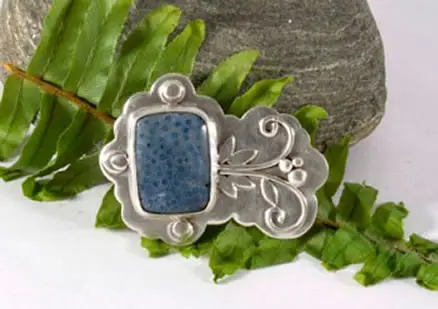
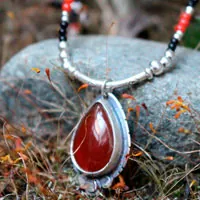
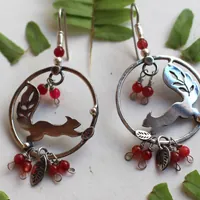
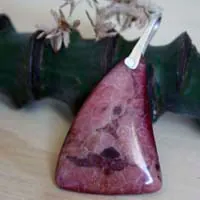
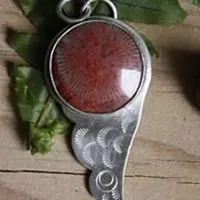
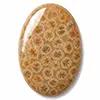
Coral jewelry samples

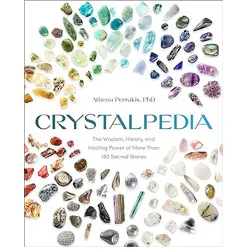
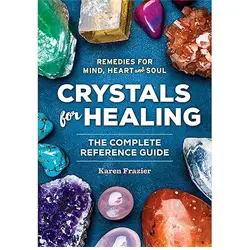
To learn more about litotherapy, we recommend you the following books:

OUR SERVICES
Customer reviews
Custom order
FAQ
Free shipping
Terms and conditions