






Snowflake obsidian: history, healing properties and lithotherapy
Snowflake obsidian properties
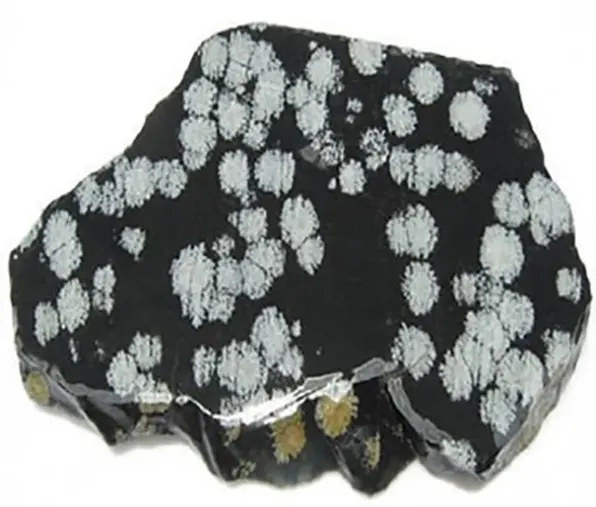
This variety of obsidian, also known as "snowflake," "spotted," or "starred" obsidian, derives its distinctive appearance from white spherulite inclusions (composed of cristobalite). These orbicular formations result from the recrystallization of obsidian glass, forming patterns resembling white or gray spots that often contrast beautifully with a black or gray background.
Snowflake obsidian is a natural volcanic stone formed when molten lava cools rapidly, creating an igneous glass. Its white inclusions, sometimes referred to as "snowflakes," are typically composed of cristobalite inclusions formed during devitrification. This stone features a smooth, glassy surface and remarkable sharpness, making it highly desirable for crafting jewelry and tools.
Despite its glassy nature, snowflake obsidian can produce very sharp edges. Its ability to fracture into sharp edges explains its use in ancient times for crafting arrowheads, knives, and other cutting tools.
Main deposits: Italy, Japan, Mexico, the United States and Guatemala.
History, legends, and beliefs surrounding snowflake obsidian
Snowflake obsidian, like other types of obsidian, has played a significant role in numerous ancient civilizations. For instance, the Aztecs used this stone in religious and spiritual rituals. Obsidian was considered a protective stone, believed to ward off evil spirits and negative energies. It was also used to craft mirrors, which symbolized the reflection of the soul.
Similarly, the Maya associated obsidian with mystical powers. The stone was seen as a medium for communication with the spirit world, and it was thought to enhance clairvoyance and spiritual vision.
In some Asian cultures, snowflake obsidian was regarded as a talisman capable of protecting its wearer from harmful influences while promoting personal introspection.
Healing properties and benefits of snowflake obsidian
Throughout the long history of humanity, different societies have attributed to obsidian, and more specifically to snowflake obsidian, a variety of properties, virtues and interpretations of a curative or symbolic nature. The elements presented here follow a cultural and historical approach, aiming to illustrate the symbolic relationship that has gradually developed between this stone and human civilizations over the centuries. As with previous examples, these interpretations are part of a descriptive, scientific and historical framework. They do not constitute any therapeutic or medical recommendation and do not reflect our personal beliefs.
- In certain traditions and contemporary practices, snowflake obsidian is associated with the health of bones, veins, vision and skin. It is sometimes mentioned as a stone linked to the support of skeletal structures and the preservation of bodily integrity, due to its volcanic origin and mineral composition. These interpretations belong to a broader reading of the relationship between minerals and the balance of the human body.
- This stone is also mentioned in contexts where it is used to accompany tissue regeneration, particularly that of the skin. In some traditional practices, it is associated with ideas of cellular renewal and improvement of the skin’s appearance, a symbolism that echoes the modern use of minerals of volcanic or marine origin in aesthetic or cosmetic care.
- Popular beliefs sometimes attribute to snowflake obsidian a connection with blood circulation. It is then described as a potential support for vein health and for promoting better circulation of bodily fluids, particularly for individuals experiencing mild circulatory discomfort. This interpretation fits within a holistic approach aimed at harmony and fluidity in the body’s internal exchanges.
- In certain traditions, snowflake obsidian is also associated with the spinal column. It is sometimes described as accompanying the soothing of tensions, inflammations or localized discomfort in the back area. These interpretations reflect the importance given to the spinal axis, often regarded as a fundamental pillar of physical and energetic balance.
- As a stone perceived as protective, snowflake obsidian is sometimes used to support the release of stagnant or negatively perceived energies, particularly when they are associated with areas of bodily tension. This protective role is part of a vision in which body and mind are closely interconnected, and where symbolic harmonization contributes to overall well-being.
- Some traditional interpretations also associate snowflake obsidian with ligaments, tendons and muscles. It is sometimes mentioned as a support for flexibility, mobility and bodily relaxation. In this context, it is associated with the easing of cramps, stiffness and muscular tension, contributing to a sense of release and joint comfort.
- Snowflake obsidian is also mentioned for its link with the digestive system. It is sometimes described as accompanying the soothing of stomach discomfort and promoting more harmonious digestion. Certain traditions also attribute to it a role in supporting liver function and detoxification processes, in connection with notions of purification and elimination of excess.
- On an emotional level, this stone holds an important place in many contemporary interpretations. It is often used as a support to calm inner tensions, encourage emotional balance and foster a sense of serenity. It is described as accompanying the release of suppressed emotions and the acknowledgment of past traumas, thus contributing to a process of inner clarification and emotional reconciliation, particularly during periods of stress or mental confusion.
- Finally, snowflake obsidian is sometimes associated with the strengthening of self-confidence and self-esteem. It is mentioned as a support that helps create distance from negative thoughts, inner doubts and limiting patterns. From this perspective, it is seen as accompanying greater self-assertion, more serene decision-making and steadier progress through the different stages of life.



 Please note that all healing properties attributed to stones come from ancient traditions and various cultural sources. This information is provided for informational purposes only and does not constitute medical advice. In case of any health concerns, it is recommended to consult a qualified professional.
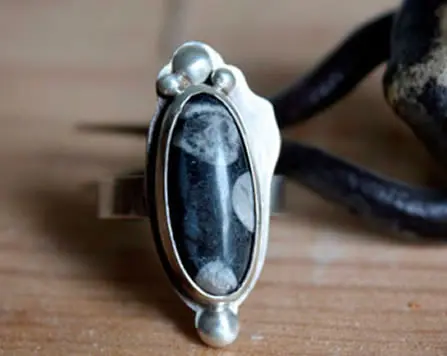
Snowflake obsidian jewelry samples
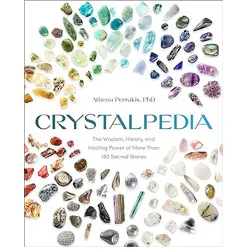
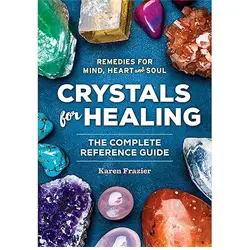
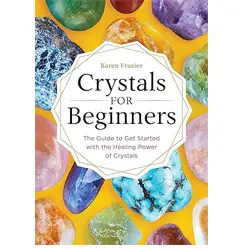
To learn more about litotherapy, we recommend you the following books:
OUR SERVICES
Customer reviews
Custom order
FAQ
Free shipping
Terms and conditions