





Variscite: history, healing properties and lithotherapy
Variscite properties
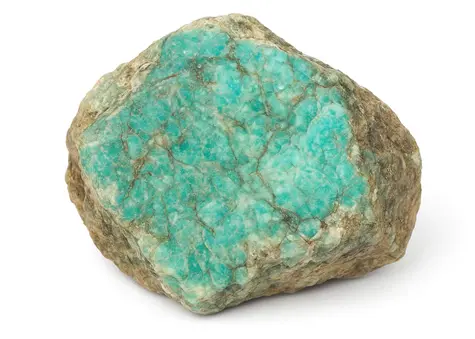
Variscite, a rare mineral, is primarily composed of aluminum phosphate, with traces of iron and arsenic. Its rarity makes it a precious stone, valued for its unique green color and therapeutic properties.
Variscite was initially named "peganite" by the German mineralogist Johann August Friedrich Breithaupt in 1830 before being renamed "variscite" in 1837. Its name derives from Variscia, the ancient Latin designation for the Vogtland region in Germany, where it was first discovered. It is also known by various other names, including alpha-variscite, amatrice, barrandite, bolivarite, lucinite, peganite, utahlite, and variquoise. These names reflect the diversity of locations where it has been found and the cultures that have used it.
Variscite forms primarily near the surface through the interaction of phosphate-rich water with aluminum-bearing rocks. This process, which can take millions of years, results in nodules or compact masses within sedimentary or metamorphic rocks. It frequently occurs alongside other phosphate minerals such as crandallite, wardite, and metavariscite, the latter being a polymorphic phase of variscite.
With a hardness ranging between 3.5 and 4.5 on the Mohs scale, variscite is relatively soft and sensitive to impacts and scratches. Its density varies between 2.42 and 2.58, making it slightly lighter than turquoise, with which it is often mistaken. Unlike turquoise, however, variscite contains little to no copper, giving it a softer hue and a smoother texture.
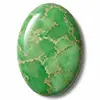
Variscite is characterized by its green color, which can range from pale green to apple green, including shades of emerald green. Its luster is slightly vitreous to waxy, and it is generally opaque. It often exhibits veining due to inclusions of aluminum, calcium, or phosphate, which can appear in white, black, or other hues.
Although green is the dominant color, variscite also occurs in rarer shades such as purple, orange, pink, red, brown, and yellow, depending on the impurities present in its crystalline structure.
Main deposits: Germany, Brazil, the United States, France, Slovakia, Australia.
History, legends, and beliefs about variscite
Variscite is a stone with relatively sparse historical documentation, yet its use dates back to prehistoric times. Jewelry and ornaments made from variscite have been discovered at archaeological sites across Europe, particularly in Spain, where it was mined as early as the Neolithic period for the creation of ritual objects and funerary adornments.
Long before its scientific identification, the stone was used by various civilizations without being clearly distinguished from other green minerals such as turquoise. Some local varieties were given specific names based on their origin, such as utahlite, found in Utah, or variquoise, a name suggesting its resemblance to turquoise.
In Spain, Neolithic variscite mines have been uncovered in the Can Tintorer region of Catalonia. Archaeological excavations have revealed that this stone was extracted and shaped over 6,000 years ago to craft beads and amulets. These artifacts, often found in burial sites, suggest that variscite held significant symbolic value, likely linked to spiritual or funerary beliefs.
Healing properties and benefits of variscite
Throughout the long history of humanity, various societies have associated variscite with properties, virtues, and interpretations of a symbolic or curative nature. The elements presented here are part of a cultural and historical approach intended to illustrate the gradual relationship that has developed between this stone and human civilizations over the centuries. As with the previous examples, this information follows a descriptive and scientific perspective. It does not constitute a therapeutic or medical recommendation and does not reflect personal beliefs.
- Variscite is traditionally mentioned for its connection with memory and cognitive functions. In some ancient sources, it is associated with concentration, mental clarity, and reflective capacity. It is sometimes cited as an aid during periods of learning, analysis, or decision-making, encouraging a more measured and structured approach to information. Its presence is also linked to a form of inner wisdom, inviting greater perspective when facing complex or stressful situations.
- This stone is often referred to in traditions for its calming role on an emotional level. It is associated with the easing of anxiety and the gradual release of mental and physical tension. Certain interpretations attribute to it a stabilizing influence, fostering a sense of inner calm and emotional security. It is sometimes evoked as a support for moving beyond repetitive negative thoughts and cultivating a more serene attitude toward everyday challenges.
- Variscite is mentioned in some sources for its properties related to the easing of discomfort. In traditional contexts, it is associated with the relief of ailments linked to gout, rheumatism, or certain digestive disorders. It is also evoked in relation to sensations of gastric burning, abdominal pain, cramps, or bloating, with a symbolism centered on balance and the harmonization of digestive functions.
- This stone is sometimes connected to the maintenance of elasticity in the veins and the skin. In certain cultural interpretations, it is associated with improved blood circulation and tissue tone. It is notably mentioned in traditions as an accompaniment to circulatory issues such as varicose veins, heavy legs, or disturbances linked to slowed circulation, within a dynamic of bodily fluidity and vitality.
- Some traditional accounts attribute to variscite a role in supporting the immune system. It is associated with the stimulation of the body’s natural defenses and the maintenance of vital energy. It is sometimes mentioned in connection with prolonged fatigue or general exhaustion, promoting better cellular oxygenation and the gradual recovery of physical strength.
- Variscite is also evoked in certain traditions for its connection with men’s well-being. It is associated with supporting hormonal balance and sexual vitality, particularly in contexts of fatigue or decreased energy. Its influence is described as gentle and revitalizing, accompanying reproductive health and the overall bodily well-being.
- On an emotional and psychological level, variscite is often regarded as a stone associated with letting go. It is evoked as a support for releasing negative thought patterns, inner tensions, and long-standing emotional blockages. It accompanies periods of transition and change, encouraging a more flexible, confident, and open approach to renewal, while fostering self-acceptance and adaptation to life’s ongoing transformations.



 Please note that all healing properties attributed to stones come from ancient traditions and various cultural sources. This information is provided for informational purposes only and does not constitute medical advice. In case of any health concerns, it is recommended to consult a qualified professional.
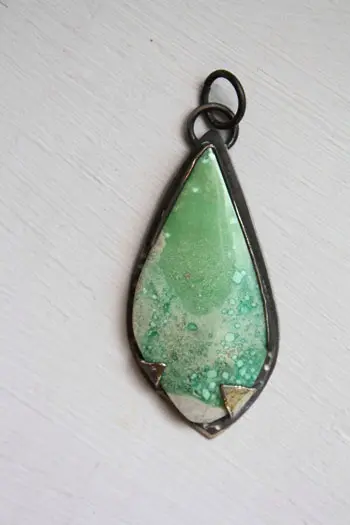
Variscite jewelry samples
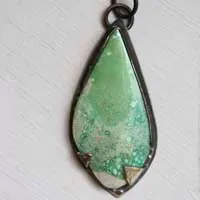
Sold
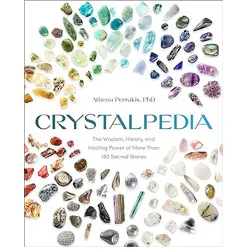
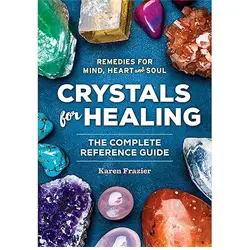
To learn more about litotherapy, we recommend you the following books:
OUR SERVICES
Customer reviews
Custom order
FAQ
Free shipping
Terms and conditions