








European jewelry: archaeological treasures and history
This page is part of our series exploring the history and archaeology of world civilizations, with the aim of reinterpreting some of the works that have inspired us in the form of jewelry. Here, we explore Europe across a vast timeline, from Prehistory to more recent periods, reaching as far as the Second World War.
European cultures have developed a remarkable diversity of artistic forms, shaped by millennia of evolution, exchange, and transformation. From the earliest symbolic expressions carved in stone to the refinements of ancient civilizations, from medieval heritage to more modern creations, each era reflects a unique relationship with materials, power, the sacred, and identity. Through ritual objects, ornaments, geometric patterns, religious influences, and political expressions, these traditions reveal multiple and ever-evolving worldviews. This rich and complex heritage offers a profound source of inspiration for contemporary jewelry, where forms, symbols, and materials extend the memory of European cultures across time.
Prehistoric jewelry
Prehistory, that captivating era marking the dawn of humanity, is a period imbued with mystery and resilience. Spanning from the earliest evidence of tool use to the beginnings of historical civilizations, this era is distinguished by the gradual adaptation of humans to their environment and the relentless quest to understand the world around them.
During this time, the first tools, artworks, and religious beliefs emerged, offering fascinating glimpses into the daily lives and spiritual practices of these ancient societies.
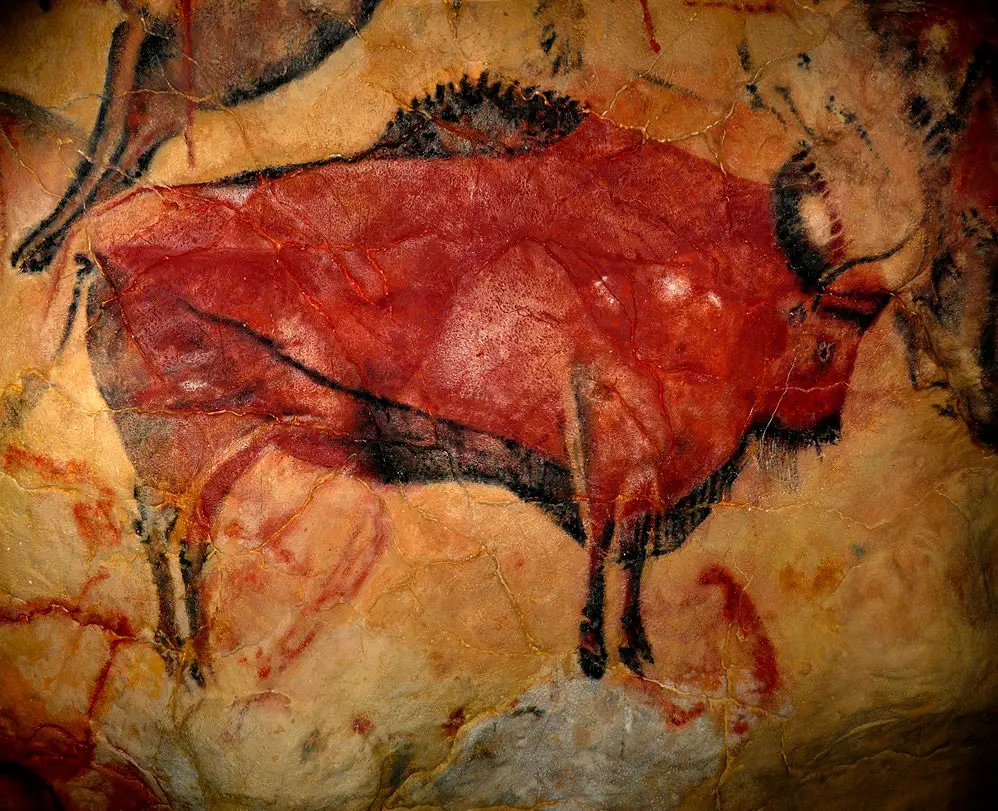
Prehistory continues to fascinate and intrigue us, as it not only reminds us of our origins but also of our fundamental connection with nature. By exploring prehistoric art, we gain a deeper understanding of how our ancestors expressed their identity, beliefs, and relationship with their environment through artistic and symbolic creations.
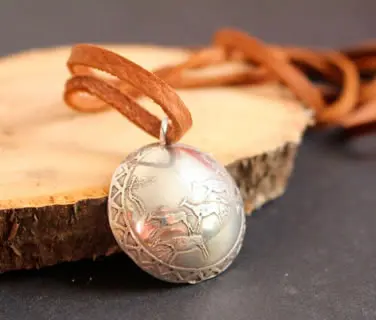
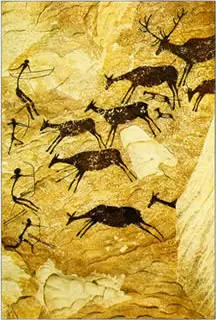
The Rupestre Necklace depicts a typical hunting scene from the prehistoric era, inspired by the cave paintings of Barranc de la Valtorta in the Valencian region of Spain. This artwork, dating back to 10,000 BC, belongs to the Epipaleolithic period and was discovered in the Cave of the Horses (dels Cavalls).
The rock paintings from this period are remarkable for their dynamism and precision, illustrating hunting scenes that not only highlight the skills of prehistoric hunters but also their deep relationship with the animal world. The stylized figures of animals, often accompanied by abstract symbols, offer a fascinating glimpse into the daily lives and spiritual beliefs of these early humans.
The hunting scene reproduced on this necklace captures the essence of the struggle for survival in a still-wild world, showing how prehistoric people tracked and hunted for sustenance. This piece of jewelry is a tribute to their resilience and adaptability, as well as a reflection of their world rich in symbols and myths.
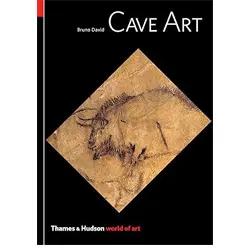
To deepen your knowledge of the art and history of prehistoric time, we recommend the following books:


Jewelry of the Picts of Scotland
We took a brief detour to explore the Pictish tribes of northern Scotland, who inhabited the region before the arrival of the Romans. These remarkable people managed to resist Roman conquest and Viking invasions, demonstrating their strength and resilience. Often considered a mysterious and enigmatic group, the Picts left behind numerous archaeological traces and feature prominently in historical accounts.
The Picts were renowned for their craftsmanship, particularly in the creation of jewelry and stone sculptures. Their craftsmanship is distinguished by intricate geometric patterns, mystical symbols, and stylized animal representations, often interpreted as protective symbols or depictions of local deities. These patterns adorn not only their jewelry but also engraved stones and sculpted crosses found in funerary and religious monuments.
Although the Picts were largely assimilated by the Scots during the first millennium AD, their legacy continues to fascinate historians, archaeologists, and enthusiasts of ancient history. Pictish artifacts provide valuable insights into the culture, beliefs, and practices of this ancient people, and their art continues to captivate the modern imagination with its symbolic richness and timeless beauty.

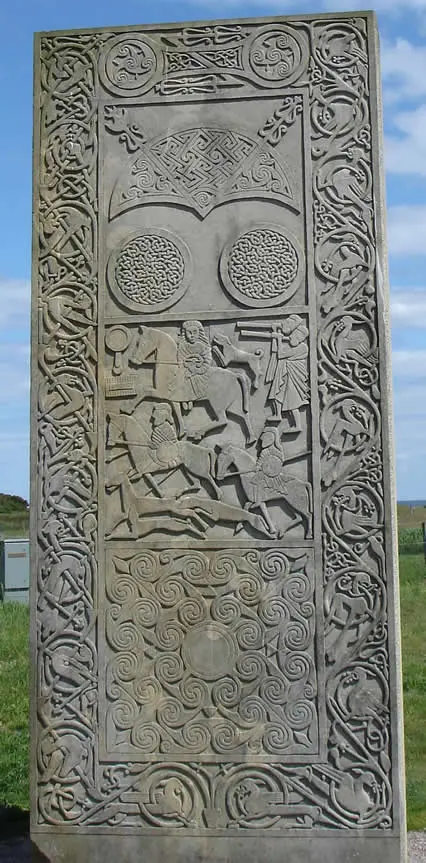
The Picts, a Celtic people who occupied northern Scotland, left behind an impressive archaeological legacy, particularly through their carved stelae and slabs. These ornately decorated stones feature magical motifs, animals, geometric shapes, and scenes from historical or daily life. Over time, these motifs have often been interpreted through the lens of Christianity, reflecting a period of cultural transition.
Among these remarkable stelae, we chose to draw inspiration from the Cadboll Stone, a large carved slab dated around 800 AD, located on the Tarbat Peninsula in Easter Ross, Scotland. This imposing stone stands 2.34 meters tall and weighs approximately 1.9 tons. The main motif of this stone is a dynamic hunting scene, surrounded by traditional Pictish symbols such as spirals, crosses, and interlaced patterns.
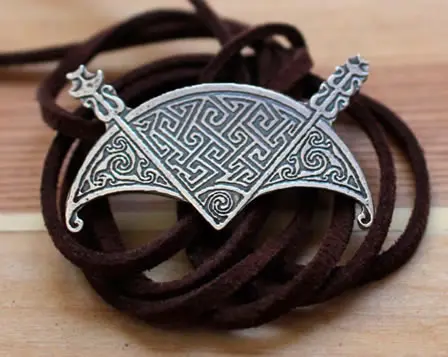
The impressive size of this stela required careful selection for our reproduction to preserve the visibility and integrity of the details. For our necklace, titled "the Cadboll crescent moon," we chose to reproduce only the upper portion of the stela. This section features a stylized crescent moon, intersected by lines that may symbolize broken arrows or movement patterns. This design evokes the connection between the natural and cosmic worlds, a common theme in Pictish art.
By selecting this part of the stela, we pay homage to the complexity and beauty of Pictish art while offering a piece that embodies the rich artistic tradition of this ancient people. This necklace represents a modern interpretation of an ancient symbol, bridging the mysteries of the past with contemporary creations.
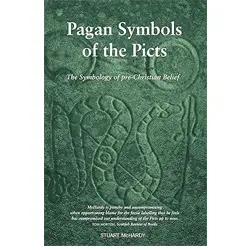
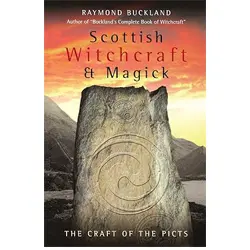
To deepen your knowledge of the art and history of Picts, we recommend the following books:




OUR SERVICES
Customer reviews
Custom order
FAQ
Free shipping
Terms and conditions