







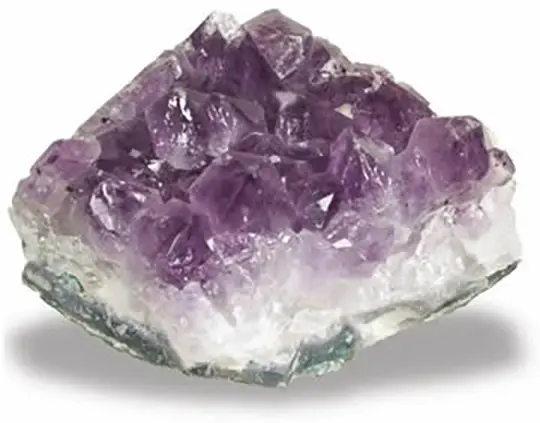
Amethyst: history, healing properties and lithotherapy
Amethyst properties
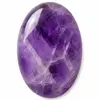
"Amethyst", from the Greek "améthystos" (not intoxicated), derives its name from the ancient belief that it could prevent intoxication, its color being reminiscent of diluted wine. This name is rooted in the ancient belief that amethyst could protect against drunkenness. Sometimes called "lavender quartz", its unique violet hue, ranging from pale lavender to deep purple, is due to the presence of iron impurities, natural irradiation and traces of manganese. This stone is a macrocrystalline variety of quartz, one of the most common forms of crystalline minerals.
Resistant to acid, amethyst has a hardness of 7 on the Mohs scale, making it durable and ideal for jewelry. When heated above 300°C, it can reveal shades of brown, orange, or green, resulting from thermal discoloration and adding fascinating chromatic variations to its properties. These color changes are caused by alterations in the stone’s crystalline structure.
History, legends and beliefs about amethyst
Amethyst has played a prominent role in jewelry-making across various civilizations, once considered as valuable as diamonds in certain periods. However, its prestige diminished with the massive discovery and export of deposits in South America, leading to a significant drop in its price. This shift democratized access to the gemstone, making it more available while preserving its aesthetic appeal.
In ancient Egypt, amethyst was highly valued for carving seals, which were used to stamp important documents. Egyptian warriors also wore amethyst amulets to ward off fear and protect their bravery in battle.
According to Greek mythology, Dionysus, the god of wine, pursued the young maiden Amethystos, who had vowed to remain chaste. To protect her from his advances, the goddess Artemis transformed her into a white stone. In sorrow for his attempted seduction, Dionysus poured wine over the stone, giving it its iconic purple hue. This legend associates amethyst with moderation and purity.
Another version of the Greek myth tells that Dionysus, angered by human insults, sent his tigers against Amethystos. She prayed to Artemis for protection and was transformed into white crystal. To repent, Dionysus poured wine over the crystal, giving it its characteristic hue. This story further reinforces amethyst’s protective nature and its association with repentance and redemption.
Amethyst was especially dedicated to Artemis, the Greek goddess of the hunt, adding a divine dimension to this gemstone, symbolizing both protection, repentance, and mythical beauty.
In Roman mythology, amethyst was dedicated to Diana, the goddess of the hunt, and was associated with protection and nature.
The Greeks and Romans believed that amethyst-adorned cups helped them resist intoxication, which added a protective element to their festivities.
For the Hebrews, amethyst was the ninth stone on the breastplate of the high priest, called Ahlamah in Hebrew, associated with the tribe of Gad or Benjamin, and also adorned the gates of the New Jerusalem. This highlights its importance in religious and spiritual contexts across different cultures.
In the Middle Ages, the Church adopted amethyst as a symbol of renunciation of worldly goods, divine obedience, and chastity. Cardinals and bishops often wore rings set with amethyst, symbolizing their commitment to faith and sacred values. The purple color of amethyst was associated with the blood of Christ and His ultimate sacrifice for humanity, adding spiritual depth to this stone.
In various popular beliefs, amethyst was also considered a powerful protector against betrayal and the harmful influences of witchcraft and black magic. It was thought to have the power to shield its wearer from unseen dangers and occult forces, further enhancing its reputation as a beneficial talisman.
Main deposits: Russia, Madagascar, France, Brazil and Uruguay.
Healing properties and benefits of amethyst
Throughout history, amethyst has been recognized by many civilizations for its perceived calming and balancing properties. The information presented here is offered from a cultural and historical perspective, aiming to illustrate the symbolic and medicinal uses attributed to this stone over the centuries. It does not constitute medical advice or a scientific claim, but reflects how different societies have understood and valued amethyst.
- This stone has traditionally been associated with calming effects, thought to help ease certain discomforts and provide relief during moments of tension or anxiety. It is often described as having a beneficial influence on the nervous system, promoting emotional relaxation and a sense of inner tranquility.
- Renowned for its balancing qualities, amethyst is considered supportive of memory and mental well-being. It is attributed with the ability to create harmony by reducing the impact of negative influences, thereby fostering concentration and mental clarity. These qualities have made it a stone frequently used in meditative and practices to promote emotional and mental balance.
- Amethyst has also been perceived as capable of influencing the atmosphere of a space, transforming environments perceived as heavy into ones that feel more serene. It has traditionally been placed in living or working spaces to create a peaceful and harmonious climate.
- Its gentle vibration is historically associated with the easing of muscular tension and a relaxing effect on circulation and blood pressure. It has been used to encourage relaxation and reduce stress, contributing to a sense of overall physical well-being.
- Amethyst is also considered conducive to restorative sleep, often placed under a pillow or near the bed to support the quality of rest and help reduce sleep disturbances.
- Its traditional uses extend to various perceived ailments, including heart and respiratory issues, diabetes, and arthritis. In these contexts, it has been regarded as a stone with versatile curative properties.
- It has been associated with emotional balance and the prevention of depressive states and with supporting women facing fertility challenges, due to its reputed stabilizing effect on emotions and its role in vitality.
- Among children and animals, amethyst is reputed to calm hyperactivity and provide a soothing influence on energy, contributing to a calm and serene atmosphere within the home.
- Finally, this stone has traditionally been linked to the stimulation of hormonal production and the proper functioning of the endocrine glands, reflecting its perceived role in maintaining overall bodily balance according to historical and cultural practices.



 Please note that all healing properties attributed to stones come from ancient traditions and various cultural sources. This information is provided for informational purposes only and does not constitute medical advice. In case of any health concerns, it is recommended to consult a qualified professional.
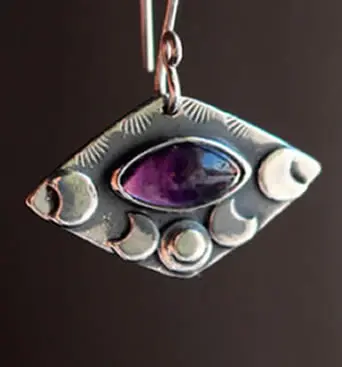
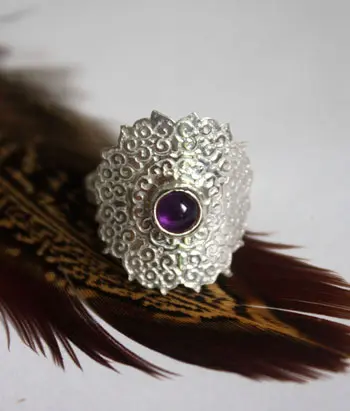
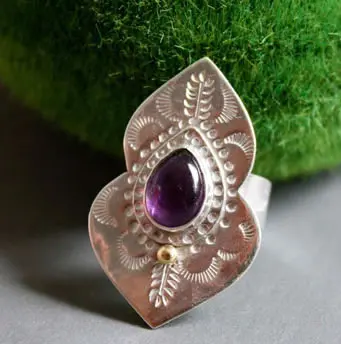
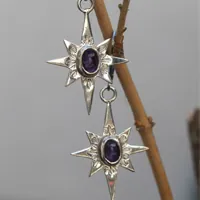
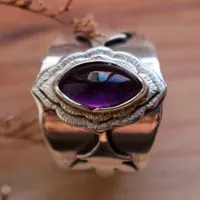
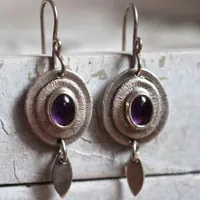
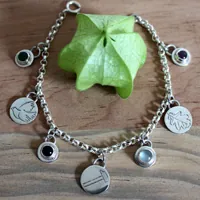
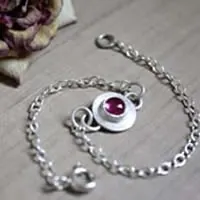
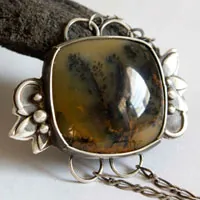
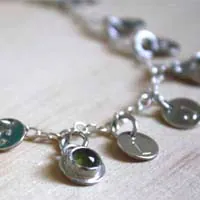
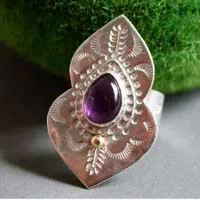
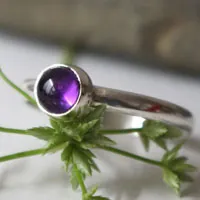
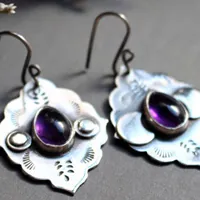
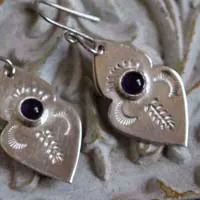
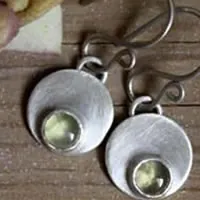
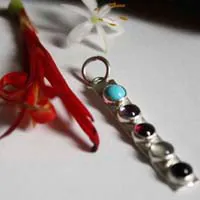
Amethyst jewelry samples
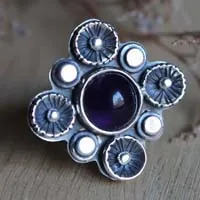
194.00 €
(≈ 223.10 USD)






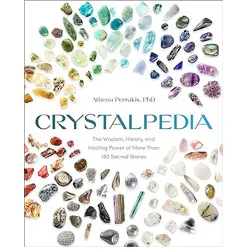
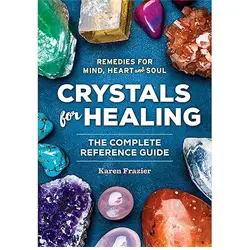
To learn more about litotherapy, we recommend you the following books:

OUR SERVICES
Customer reviews
Custom order
FAQ
Free shipping
Terms and conditions