







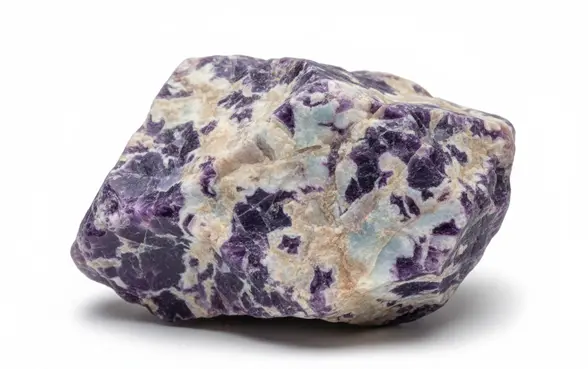
Bertrandite or Tiffany: history, healing properties and lithotherapy
Bertrandite or Tiffany properties
Bertrandite, also known as Tiffany stone, stands out for the richness of its names, including opalized fluorite, opal fluorite, ice cream opalite, and purple opal. This name reflects the stunning variety of hues and reflections that characterize the stone, ranging from white to purple, with shades of cream, blue, and pink.
First discovered near Nantes, France, in 1880, it was described and named by mineralogist Alexis Damour in 1883 in honor of Émile Bertrand, a mining engineer.
Bertrandite is the result of complex geological processes involving intense volcanic conditions. It is composed of several minerals, including beryllium, chalcedony, quartz, and opal, along with traces of manganese oxides, which give it its fascinating color variations. This mineral combination makes each specimen unique, both aesthetically and energetically.
This stone is mainly extracted in regions where beryllium is also mined. Although its use remains limited, bertrandite is distinguished by its rarity, making it a prized gem for collectors and gemstone enthusiasts.
Main deposits: Brazil, the United States, Italy, Kazakhstan, Mexico, Namibia.
History, Beliefs, and Legends about Bertrandite
Although bertrandite was discovered relatively late in the history of minerals and lacks documented traditional uses, it is now associated with spiritual and metaphysical properties in the field of crystal healing.
Some modern beliefs suggest that bertrandite promotes spiritual elevation and fosters a deeper connection with subtle realms, thanks to its soft and ethereal hues, which evoke inner peace and tranquility.
Healing properties and benefits of the bertrandite
Throughout human history, bertrandite has been surrounded by multiple meanings, with various cultures attributing to it symbolic qualities and virtues. The information presented here adopts a cultural and historical perspective, aiming to show how this stone has been perceived, valued, and interpreted over the centuries. As with other stones, this account is documentary in nature, without therapeutic claims or adherence to specific beliefs.
- Bertrandite is often described as a stone that contributes to energetic balance, potentially supporting the harmony of organs such as the heart and thymus. In certain traditions, it is associated with a strengthening of natural defenses and a smoother flow of bodily energies.
- Thanks to its properties historically perceived as favoring cellular regeneration, it has been traditionally mentioned in contexts of wound healing and skin revitalization. Several ancient sources report that it could accompany the reduction of skin irritations and soothe superficial inflammations.
- In naturalist literature and popular use, bertrandite is also described as a support for metabolic regulation. It is linked to better digestive balance, aiding in harmonizing the function of the digestive system and maintaining a general sense of well-being.
- Some more recent texts additionally suggest that bertrandite may promote mental and emotional vitality, supporting clarity of thought, concentration, and inner stability. It is occasionally cited as a stone helpful for relaxation and stress reduction, contributing to an overall sense of serenity.
- Finally, bertrandite is associated with inner strength, patience, and perseverance, qualities valued across many cultures. Its use in jewelry or objects reflects this perception, making it a witness to the attention given to both physical and balance and vitality.
 Please note that all healing properties attributed to stones come from ancient traditions and various cultural sources. This information is provided for informational purposes only and does not constitute medical advice. In case of any health concerns, it is recommended to consult a qualified professional.
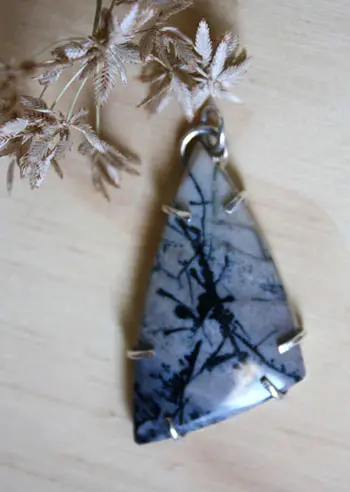
Tiffany jewelry samples
Personalized
To learn more about litotherapy, we recommend you the following books:


OUR SERVICES
Customer reviews
Custom order
FAQ
Free shipping
Terms and conditions