






Chrysocolla: history, healing properties and lithotherapy
Chrysocolla properties
The name "chrysocolla" originates from two Greek words, "chrysos" and "kolla," meaning "gold" and "glue," respectively. Initially, this term referred to a group of materials used in gold working, particularly copper for soldering. However, over time, the term gradually came to refer exclusively to a single mineral: the hydrated copper silicate.
The history of chrysocolla illustrates its evolution from ancient goldsmithing to its recognition as a distinct mineral. Today, it is appreciated not only for its beauty but also for its energetic properties in lithotherapy.
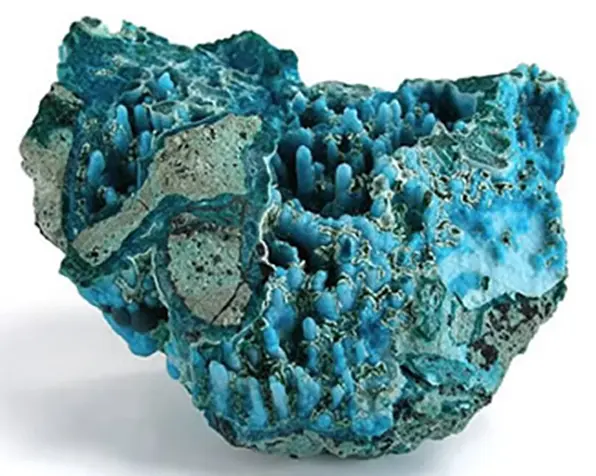
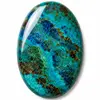
Chrysocolla often forms in crystalline vein deposits, displaying vibrant green and bluish hues. Its composition visually connects it to stones like turquoise, malachite, azurite, or tinted chalcedony, which can sometimes make identification challenging. This resemblance has occasionally led to confusion over the centuries. Due to its high water content and rich copper composition, chrysocolla remains a relatively fragile mineral, with a hardness ranging from 2 to 4 on the Mohs scale.
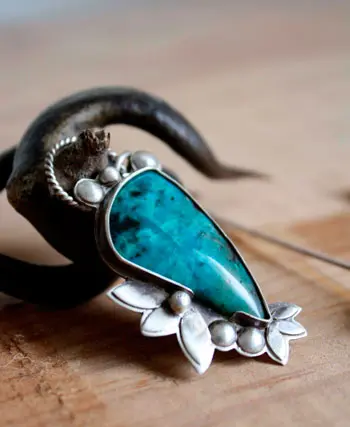
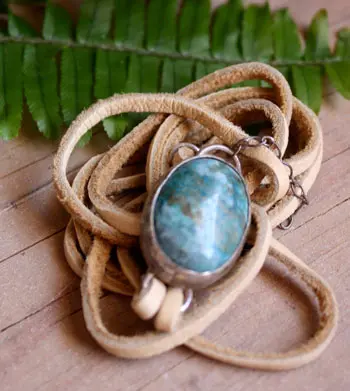
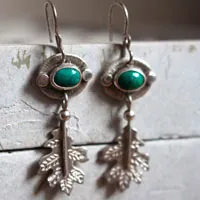
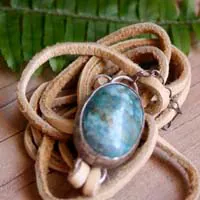
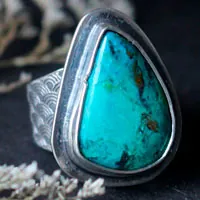
In jewelry, this fragility is mitigated by using it in conjunction with other minerals such as malachite, azurite, or cuprite, which provide structural support while enhancing its colorful nuances. Chrysocolla is frequently cut into cabochons or beads, adding an organic dimension to the creations.
Symbolically, chrysocolla is associated with the moon, femininity, water, and emotions.
Although delicate, chrysocolla remains prized for creating unique and meaningful jewelry. Each piece, with its vibrant colors and deep symbols, embodies the harmony between the fragile beauty of nature and the emotional strength it conveys.
History, beliefs and legends about chrysocolla
This stone, known since antiquity, was described as early as 315 BC by the Greek philosopher Theophrastus, who noted its primary use in gold soldering. Chrysocolla thus became a crucial material in the field of goldsmithing, highlighting its importance among artisans of the time.
The Egyptians referred to it as the "stone of wisdom" and frequently wore it during negotiations to promote tranquility and stability. They believed that chrysocolla had the power to protect the mind, viewing it as a symbol of strength and serenity. The ancient Egyptians associated it with the goddess Hathor, symbolizing love, music, and motherhood, thereby reinforcing its connection to positive emotions.
During the medieval period, chrysocolla was valued for its medicinal properties. It was thought to aid in the healing of ulcers and stomach burns, as well as to relieve stress and anxiety. Herbalists and healers often used it in potions and natural remedies.
During the Renaissance, chrysocolla was used as a pigment for creating paintings, notably in famous works, thereby adding an artistic dimension to its practical utility. Its vibrant color and unique texture made it a favored choice among artists of the time.
Overall, this stone was widely recognized as a talisman by Native Americans, reputed for enhancing physical resilience and promoting inner peace. It was often used in healing rituals and spiritual ceremonies, symbolizing a connection to the earth and the natural elements.
Main deposits: Germany, Chile, Australia, Brazil, the United States, Russia, England, France, Mexico, Peru…
Healing properties and benefits of chrysocolla
Throughout the long history of humanity, people have attributed various properties, virtues, and healing beliefs to chrysocolla. The information presented here is shared from a cultural and historical perspective, with the aim of illustrating the symbolic relationship that has developed between this stone and different civilizations over the centuries. Like the preceding elements, it forms part of a scientific and historical approach. It does not constitute any form of therapeutic or medical recommendation and does not reflect our beliefs.
- Chrysocolla is traditionally mentioned for its supposed connection with the circulatory system, heart-related disorders, and muscular contractures, while also being associated with the support for the body’s natural defenses. In certain traditions, it is described as encouraging smoother blood flow and more harmonious circulation, making it a stone linked to the heart and blood vessels.
- Chrysocolla is also attributed a supportive role in thyroid imbalances, in relation to overall hormonal balance. It is often mentioned by those seeking to harmonize their metabolism and better manage the emotional fluctuations associated with hormonal variations.
- Chrysocolla is frequently cited for its supposed influence on the pancreas, the regulation of insulin production, and the maintenance of balanced blood sugar levels. Its stabilizing effect on metabolism makes it a stone traditionally associated with weight management, glycemic balance, and a more conscious relationship with the body.
- Regarding the muscular system, chrysocolla is presented as a support for the strength and flexibility of the muscles of the arms, feet, abdomen, and back. It is sometimes incorporated into gentle physical practices such as yoga or meditation, where it accompanies greater body awareness and a harmonization between body and mind.
- Chrysocolla is also recognized, in certain traditions, for its soothing role in throat-related conditions, particularly throat infections and laryngitis. It is associated with relief of the respiratory sphere and the calming of the voice, which explains its frequent use as a pendant or in practices linked to expression and communication.
- For the female cycle, chrysocolla is reputed to ease menstrual discomfort and accompany periods of hormonal imbalance. In lithotherapy, it is often associated with a calming effect, helping to reduce cramps, soothe emotional tension, and support a more serene relationship with the body’s natural rhythms.
- With regard to bone health, chrysocolla is sometimes considered a supportive stone for joint disorders, such as arthritis or other bone-related conditions. It is then associated with the reduction of inflammation, improved joint flexibility, and the maintenance of physical comfort.
- In other traditions, chrysocolla is also linked to emotional soothing and compassionate communication. It is associated with calm emotional expression, peaceful conflict resolution, and the search for balance between inner strength and relational gentleness.
- Finally, chrysocolla is sometimes perceived as a stone that encourages overall relaxation and recovery after periods of physical or emotional fatigue. It accompanies processes of recentering, letting go, and reconciling the needs of the body with those of the mind.



 Please note that all healing properties attributed to stones come from ancient traditions and various cultural sources. This information is provided for informational purposes only and does not constitute medical advice. In case of any health concerns, it is recommended to consult a qualified professional.
Chrysocolla jewelry samples
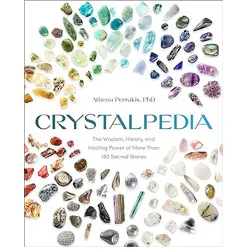
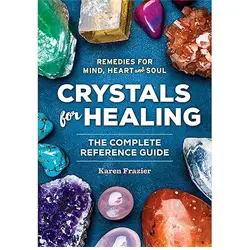
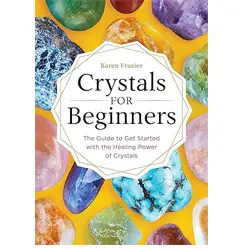
To learn more about litotherapy, we recommend you the following books:
OUR SERVICES
Customer reviews
Custom order
FAQ
Free shipping
Terms and conditions