






Pink tourmaline or rubellite: history, healing properties and lithotherapy
Pink tourmaline properties
The tourmaline family is a group of minerals with multiple varieties, each identified by a specific name or by the term "tourmaline" associated with its characteristic color. This group belongs to the trigonal crystal system and is composed of complex aluminum borosilicates, with additional elements such as iron, magnesium, lithium, or manganese, which influence the colors and properties of the different varieties.
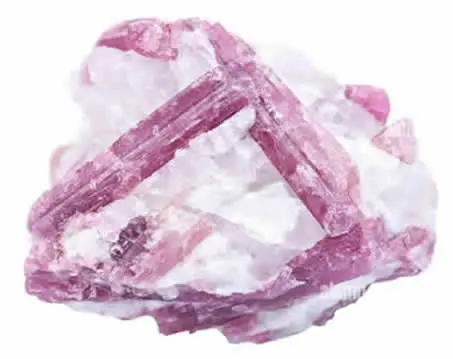
Pink tourmaline is primarily represented by the rubellite variety, whose color ranges from pink to deep red. This hue is due to the presence of manganese in its chemical composition. Unlike other colored tourmaline varieties, rubellite often retains its brilliance under different types of lighting, distinguishing it from certain green or blue tourmalines that may appear duller under artificial light.
In addition to rubellites, other tourmalines can exhibit pinkish hues, though they are rarer. Among them, pink dravite, which leans toward a light mahogany brown, and siberite, which can display shades ranging from lilac pink to blue-violet. However, these varieties are less common and less sought after in jewelry than rubellite.
The name rubellite comes from the Latin rubellus, meaning "reddish," a direct reference to its characteristic hue, which varies between deep pink and rich red. This term is also used in gemology to distinguish intensely colored specimens from paler pink varieties, which are sometimes regarded as lighter varieties of rubellite.
Until recently, pink tourmaline was relatively common and accessible on the market, but the growing demand for high-quality gemstones has led to a significant price increase. Brazilian deposits, particularly in Minas Gerais and Paraíba, as well as those in Madagascar and Nigeria, produce high-quality rubellites, but the most intensely saturated specimens remain rare. Despite this price surge, pink tourmaline remains an attractive alternative to pink sapphire due to the intensity and depth of its hues while still being more affordable than some other similarly colored precious stones.
Main deposits: Brazil, Madagascar, Tanzania, Namibia, Mozambique, Sri Lanka, Afghanistan, Nigeria, Elba Island, India, Burma, Italy, Angola, Australia, the United States.
History, legends, and beliefs about pink tourmaline
Pink tourmaline, particularly rubellite, has a more recent history compared to gemstones like ruby or sapphire, but it is no less fascinating. Its use in jewelry and ornamentation dates back several centuries, although its precise identification as tourmaline did not occur until the 18th century.
In Imperial China, pink tourmaline—especially rubellite—was highly prized during the Qing Dynasty (1644–1912). Empress Dowager Cixi, who held a central role in the court for several decades, had a particular fondness for this stone and had many jewels and funerary ornaments set with it. At the time, China imported large quantities of rubellite from California, particularly from the mines of San Diego County, which are now depleted. Chinese artisans also carved pink tourmaline into figurines and seals, often intended for the nobility.
Healing properties and benefits of the pink tourmaline or rubellite
Throughout human history, different cultures have associated pink tourmaline with a wide range of symbolic or healing-related properties, virtues, and interpretations. The elements presented here are part of a cultural, historical, and descriptive approach, intended to illustrate the symbolic relationship that has gradually developed between this stone and human civilizations over the centuries. As with the previous examples, this information is rooted in a scientific and historical perspective. It does not constitute medical or therapeutic advice and does not reflect personal beliefs.
- Pink tourmaline is traditionally mentioned for its calming influence on the nervous system. In certain traditions, it is associated with emotional relaxation, the easing of inner tensions, and the soothing of anxious states, thereby encouraging a sense of emotional safety and comfort.
- It is linked to the opening of the heart and to self-acceptance as well as acceptance of others. Many cultures describe it as a stone that accompanies processes of emotional healing, particularly for individuals facing emotional wounds, long-standing grief, or persistent emotional blockages.
- Because of its image as a gentle and enveloping energy, pink tourmaline is often cited as a support during periods of mourning, separation, or emotional trauma. It is associated with the ability to move through such experiences with greater softness and resilience.
- By working on the emotional sphere, pink tourmaline is sometimes linked to the strengthening of self-confidence and self-esteem. Certain traditions suggest that it helps release inner fears, doubts, and limiting emotional patterns.
- It is frequently associated with the harmonization of romantic and friendly relationships. It is said to encourage more sincere, calmer, and more respectful communication, contributing to the restoration of emotional balance within human relationships.
- Pink tourmaline is traditionally connected to the heart and the circulatory system. Some beliefs attribute to it a role in stabilizing heart rhythm and improving blood circulation, which has led to its association with the prevention or support of cardiovascular conditions.
- It is sometimes associated with emotional support during recovery phases following cardiac trauma, by encouraging harmonious energetic circulation in the heart region.
- Certain traditions associate pink tourmaline with fertility and fecundity. It is linked to hormonal regulation and to the creation of an emotional environment considered favorable to conception.
- In relation to the endocrine system, pink tourmaline is sometimes mentioned for its supposed influence on hormonal balance. It is said to accompany menstrual cycles, ease certain discomforts related to menstruation, and support the body during hormonal imbalances.
- It is also evoked in some cultures for its soothing associations with inflammation, particularly those linked to chronic joint pain or arthritis, within a framework of symbolic relief.
- Pink tourmaline is sometimes associated with skin regeneration. Certain traditions attribute to it a role in supporting healing processes and reducing skin inflammation, contributing to the relief of conditions such as eczema, acne, or chronic skin irritations.
- In some ancient belief systems, it is also mentioned as a stone that may accompany respiratory disorders, such as asthma or bronchial infections, by facilitating breathing and easing tension in the chest area.
- Like other varieties of tourmaline, pink tourmaline is often perceived as a protective stone. It is described as a shield against negative external influences, helping to preserve emotional balance and harmony within one’s personal environment.
- By calming the mind and soothing emotions, pink tourmaline is sometimes associated with an improvement in sleep quality. Certain traditions recommend it to encourage deeper and more restorative sleep, particularly for children prone to nighttime anxiety or nightmares.
- Finally, pink tourmaline is frequently mentioned as a stone that supports gentle and compassionate introspection. It is associated with a deeper understanding of one’s own emotions and with cultivating a more positive, caring, and balanced attitude toward oneself and others.



 Please note that all healing properties attributed to stones come from ancient traditions and various cultural sources. This information is provided for informational purposes only and does not constitute medical advice. In case of any health concerns, it is recommended to consult a qualified professional.
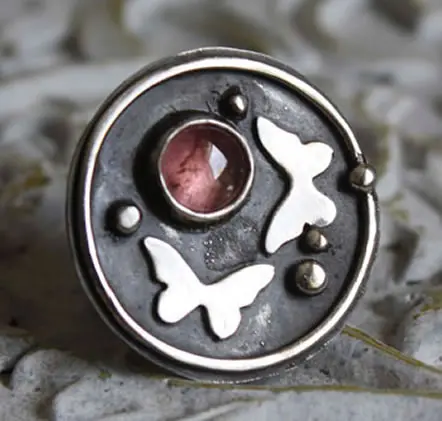
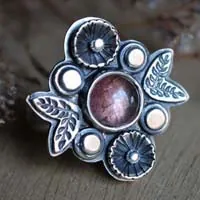
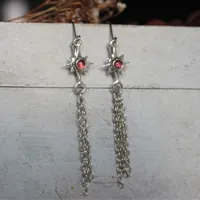
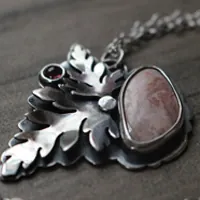
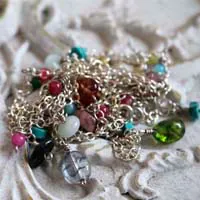
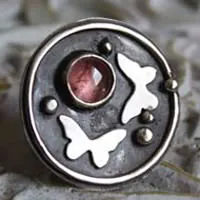
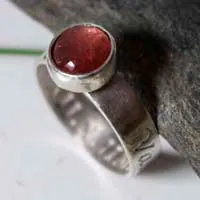
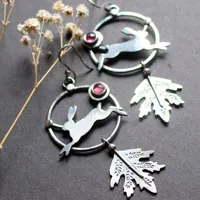
Pink tourmaline jewelry samples
196.00 €
(≈ 219.52 USD)
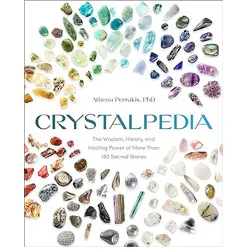
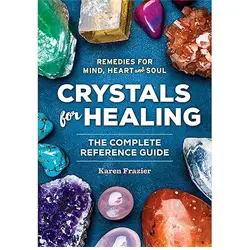
To learn more about litotherapy, we recommend you the following books:

OUR SERVICES
Customer reviews
Custom order
FAQ
Free shipping
Terms and conditions