




Unakite: history, healing properties and lithotherapy
Unakite properties
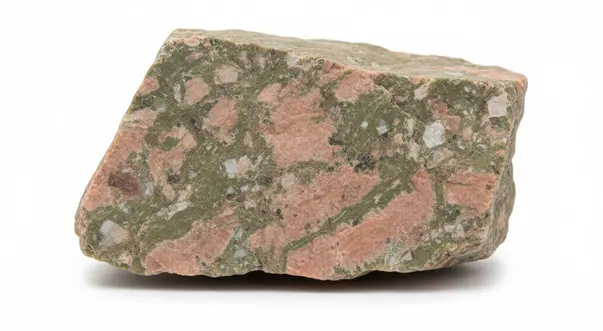
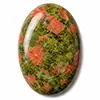
Unakite, a metamorphic rock derived from altered granite, is a fascinating stone primarily composed of orthoclase, which gives it its pink hue, epidote, responsible for its green coloration, and colorless quartz. Its formation results from the metamorphism of granitic rocks, altering their mineralogical structure under the influence of hydrothermal fluids.
Its base color palette ranges from yellow-green to dark green, accented with pink to reddish spots. This striking color combination is due to the irregular distribution of its constituent minerals, giving each specimen a unique pattern. Its granular texture and the varying crystal sizes make every piece of unakite distinctive.
Unakite has a hardness of 6 to 7 on the Mohs scale, providing relative resistance to scratches and good durability for jewelry and decorative objects. However, due to its composite structure, it can be more fragile than other stones of similar hardness, especially when subjected to impacts.
It is important to distinguish unakite from epidosites, similar rocks dominated by epidote and often mistaken for unakite. Unlike the latter, epidosites generally do not contain pink feldspar, which serves as a key distinguishing factor.
The name "unakite" is directly inspired by the Unaka Range, a mountain chain located in the state of North Carolina, USA. This region is renowned for its deposits of this unique stone, where the stone was first identified and studied. However, significant deposits of unakite are also found in other parts of the world, including South Africa, Brazil, China, and Sierra Leone.
Main deposits: South Africa, Alaska, Austria, Myanmar, Brazil, China, the United States, France, Ireland, Mexico, Mozambique, Norway, Russia, Sierra Leone, Zimbabwe.
History, legends and beliefs about unakite
Unakite was discovered in 1874 by Mr. Bradley, an American geologist, in the southern United States, specifically in the Unaka Range, the mountain chain that gave the stone its name. This discovery generated great interest in the fields of geology and mineralogy, as it revealed a stone with a unique composition and remarkable beauty. Since then, unakite has become a sought-after gemstone, valued both for its aesthetic appeal and its virtues in lithotherapy.
Although first identified in the United States, unakite has since been found in other parts of the world, including South Africa, Brazil, and China, where it is mined and worked for various applications.
By the early 20th century, unakite was being cut into cabochons and beads for jewelry making. Due to its durability and distinctive patterns, it was also used for sculpting decorative objects and even for architectural ornamentation, including in certain churches and monuments.
While unakite is not associated with ancient myths like some other gemstones, it has gained popularity in contemporary spiritual practices. Some consider it a stone of vision and balance, believed to enhance meditation and foster a connection with the past. It is also thought to harmonize energies and aid in emotional healing.
Healing properties and benefits of unakite
Throughout the long history of humanity, unakite has been attributed a variety of properties, virtues, and interpretations of a symbolic or restorative nature. The elements presented here are part of a cultural and historical approach, intended to illustrate the symbolic relationship that has gradually developed between this stone and human societies over the centuries. As with previous examples, this information follows a descriptive and scientific perspective. It does not constitute medical or therapeutic advice and does not reflect personal beliefs.
- Unakite is traditionally mentioned in connection with bone and dental health. According to certain historical practices, it has been associated with strengthening bone structure and supporting the teeth, particularly in contexts of fragility or aging. In some traditions, it is also referenced in relation to joint discomfort, especially that linked to rheumatic conditions, with a symbolism centered on regeneration and the prevention of demineralization.
- This stone is also cited for its associations with the digestive system. In certain cultural uses, it is linked to support for the liver, intestines, and gallbladder, contributing to a more harmonious digestion and the elimination of fats. Unakite is sometimes mentioned as helping to ease sensations of digestive heaviness and gently accompany the metabolism of digestive organs, particularly after dietary excesses or during periods of general fatigue.
- Unakite is furthermore referenced in traditions for its supposed role in supporting the immune system. It is associated with the stimulation of the body’s natural defenses and the maintenance of overall balance. Some sources also attribute to it a connection with the lymphatic system, contributing to fluid circulation, the elimination of toxins, and the proper functioning of so-called organs involved in detoxification.
- This stone is often linked to the heart and lungs in traditional approaches. It is associated with improved blood circulation, balanced blood pressure, and smoother oxygenation of tissues. By encouraging a state of general relaxation, unakite is sometimes mentioned for its indirect role in reducing stress, historically recognized as a factor influencing cardiovascular and respiratory health.
- Unakite is also cited in certain traditions as a stone accompanying fertility and female reproductive health. It is associated with hormonal balance and the harmonization of natural cycles. Its gentle influence is often evoked during periods of physiological transition, such as puberty, pregnancy, or menopause, where it is traditionally associated with helping the body adapt to periods of change.
- This stone is traditionally associated with tissue regeneration. It is mentioned as accompanying processes of healing and scar formation after injury or trauma. In some practices, it is used as a supportive element during convalescence, in connection with cellular renewal and the gradual recovery of physical strength.
- On an emotional level, unakite is regarded as a stone of inner balance. It is associated with awareness of old emotional wounds and their gradual integration. Certain traditions describe it as a support for moving through past trauma and progressing with greater serenity and emotional stability.
- This stone is also reputed to encourage patience and resilience. It is often evoked in contexts of change, transformation, or adaptation, where it symbolizes the ability to face challenges with calm, perseverance, and confidence in long-term processes.
- Unakite is associated with kindness toward oneself and toward others. It is sometimes used as a support for developing a more tolerant, compassionate, and gentle attitude, encouraging acceptance of one’s own limitations as well as those of others.
- Finally, unakite is mentioned for its calming role on a mental and emotional level. It is associated with the reduction of anxiety, negative thoughts, and mental rumination. Some sources also evoke its capacity to ease frustration and internalized anger, encouraging a more serene, balanced, and optimistic approach to life’s challenges.



 Please note that all healing properties attributed to stones come from ancient traditions and various cultural sources. This information is provided for informational purposes only and does not constitute medical advice. In case of any health concerns, it is recommended to consult a qualified professional.
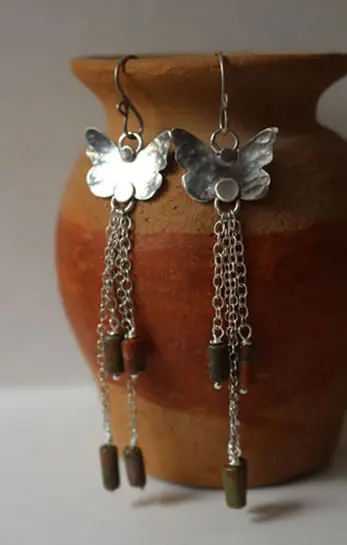
ewelry pieces featuring unakite
Sold
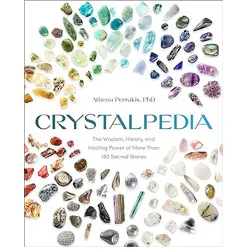
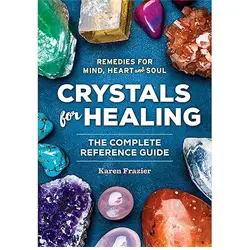
To learn more about litotherapy, we recommend you the following books:

OUR SERVICES
Customer reviews
Custom order
FAQ
Free shipping
Terms and conditions