






Chalcedony: history, healing properties and lithotherapy
Chalcedony characteristics

The name "chalcedony" comes from the Greco-Byzantine city of "Chalcedon" and evokes its rich historical heritage, serving as a point of convergence between the ancient worlds of the East and the West.
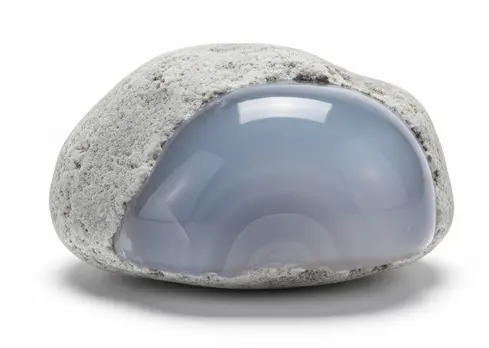
Also known by the names Chalcedonite or Merlinite, chalcedony stands out due to its unique structure. Although it shares the chemical formula of quartz (SiO₂), it is characterized by the absence of well-formed crystals, with its tiny crystals densely aggregated in a cryptocrystalline structure. This microcrystalline nature makes it a compact and often translucent stone.
The term chalcedony encompasses a variety of gemstones sharing a mixture of silica composed of quartz and moganite, where moganite, a lesser-known form of silica, contributes to its particular structure and color variations. While often associated with the milky white-grey or light blue variety, chalcedony actually includes many other stones, such as onyx, heliotrope (bloodstone), carnelian, and chrysoprase. Each of these stones offers a wide range of hues, from green and golden tones to deep reds and intense blacks, each with unique properties that make them particularly valued in jewelry and lithotherapy.
In terms of physical properties, chalcedony is a relatively soft stone with a hardness of 6.5 to 7 on the Mohs scale, which makes it easy to carve but also more prone to scratches compared to harder stones like sapphire or diamond. Optically, it often exhibits a soft translucency and a waxy luster, enhancing its soothing and dreamlike appearance.
History, beliefs and legends about chalcedony
Chalcedony tools, crafted as early as the Neolithic period near the town of Quimperlé in France, reveal an ancient and valuable usage. This stone, widely accessible in certain regions, played a crucial role not only in the creation of sharp tools and weapons but also in the crafting of jewelry and amulets. The presence of chalcedony in various archaeological contexts attests to its importance in the religious and social rituals of early human civilizations.
Dating back to 4000 BCE, the Assyrians and Babylonians used chalcedony extensively for cylinder seals, not only to protect their official documents but also as a talisman believed to ensure the bearer’s safety. These seals, often adorned with engraved motifs, symbolized power and authority, and their use by the ruling classes highlighted the privileged place chalcedony held in the spiritual beliefs of the time.
The Minoans of the Bronze Age, such as those from the famous palace of Knossos, continued this tradition by creating seals from chalcedony. It is believed that this stone offered less adhesion to wax when applying the seal, resulting in clearer impressions. This practical quality underlined its significance in the creation of royal and commercial documents.
In Celtic mythology, chalcedony is associated with the goddess of the Clyde River, Clota. It symbolizes nurturing waters and purification, reinforcing its connection to beliefs of regeneration and rebirth tied to springs and rivers in Celtic cultures.
In ancient Greek tradition, it was considered the stone of the goddess Gaia, symbolizing a connection to Mother Earth. Used as a talisman to promote fertility and protect crops, it played a key role in rituals of gratitude towards the earth. This link to Gaia endowed chalcedony with a sacred dimension as a protective stone, associated with prosperity and vitality.
Among the Romans, chalcedony was renowned for promoting eloquence and speech. The anecdote that the orator Cicero wore a chalcedony around his neck reinforces this belief in its stimulating powers. This stone was also used by lawyers and diplomats to attract mental clarity and fluid expression during public speeches.
Chalcedony holds significant spiritual importance for many Native American tribes, symbolizing inner peace and frequently used to calm restless spirits.
Among the Lakota Sioux tribes, it is regarded as the stone of Whope, the goddess of peace, embodying harmony and kindness. However, it is interesting to note that other traditions attribute the sacred stone status to turquoise instead.
For these tribes, chalcedony represents a deep connection to inner tranquility and collective serenity. Used ritually and worn as a symbol of peace, this stone provides a precious spiritual link, reflecting the cultural and symbolic richness it brings to Native American traditions. It was also employed in healing rituals, where the soothing energy of chalcedony helped balance the mind and harmonize communal relationships.
Main deposits: Brazil, India, Madagascar, Italy, Switzerland, Mexico and Russia.
Healing properties and benefits of chalcedony
Throughout the long history of humanity, chalcedony has been attributed with a wide range of properties, virtues, and healing beliefs. The information presented here is shared from a cultural and historical perspective, in order to illustrate the symbolic relationship that has developed between this stone and various civilizations over the centuries. Like the previous elements, it forms part of our scientific and historical approach. It does not constitute any therapeutic or medical recommendation and does not reflect our personal beliefs.
- Chalcedony emerges as a profound symbol of maternal love, carrying a gentle and nourishing energy that resonates with maternal tenderness. In lithotherapy traditions, it is used to strengthen the bond between mother and child, offering emotional support during pregnancy and breastfeeding. It also promotes an environment of serenity and protection. Some traditions further associate it with the softness of the home, emotional stability within the family, and the ability to soothe emotional tensions, offering a reassuring sense of grounding.
- Recognized as the stone of singers, chalcedony is celebrated for amplifying the voice and encouraging vocal expression, creating harmony between the stone and the act of singing. By supporting the throat, it helps release blockages and foster fluid communication, making it particularly suited to those who rely on their voice, such as singers, speakers, and teachers. Historically, it has also been associated with the art of persuasion, eloquence, and calm exchanges, helping to establish an atmosphere of harmonious dialogue.
- Traditionally used for throat infections, chalcedony is associated with soothing properties that help relieve ailments affecting this delicate area. Its calming and anti-inflammatory qualities have made it a valued ally for respiratory conditions such as sore throats and persistent coughs. In certain ancient contexts, it was also regarded as a support for calming a strained voice, reducing irritation of the mucous membranes, and accompanying mild convalescence.
- In addition to its benefits for the throat, chalcedony is reputed to soothe chilblains, offering welcome relief from skin discomfort. It is also associated with reducing inflammation and supporting the healing of superficial wounds, helping to restore the skin’s balance. Various accounts also attribute to it a role in softening redness, calming mild eruptions, and providing general support to fragile skin tissues.
- Chalcedony is associated with a wide range of therapeutic properties, from stomach infections to epileptic attacks and mental disorders, offering a broad spectrum of support for overall well-being. Its calming effect on the nervous system helps reduce stress and anxiety, and it is often used to soothe restless minds, combat insomnia, and balance emotions. In other traditions, it is also presented as a means of inner calm, supporting concentration, mental clarity, and the regulation of emotional excess.
- Chalcedony is reputed to relieve kidney-related issues, including gallstones, providing support for ailments affecting these vital organs. By encouraging the elimination of toxins, it helps purify the body while strengthening the immune system. Some ancient accounts also suggest a connection with maintaining physical vitality, regulating internal fluids, and offering support to the organs of excretion and filtration.
- Its calming properties extend to fever, as chalcedony is reputed to help lower body temperature. It also contributes to improved blood circulation, helping to reduce inflammatory symptoms throughout the body. In certain ancient uses, it was also associated with relieving heaviness in the legs, promoting better circulatory tone, and encouraging a general sense of bodily fluidity.
- Highly valued by breastfeeding mothers, chalcedony is reputed to stimulate milk production, offering natural support during the phases of breastfeeding. In addition to encouraging lactation, it helps soothe emotional tensions linked to motherhood. Some traditions also attribute to it a role in the protection of the infant, in preventing minor postnatal anxieties, and in harmonizing the emotional rhythm of new mothers.
- Chalcedony also appears to play a role in relieving plant-related allergies, such as hay fever, while contributing to the reduction of edema and symptoms associated with glaucoma. By supporting the circulation of bodily fluids, it helps drain toxins and reduce swelling. In certain ancient contexts, it was also associated with soothing irritated eyes, supporting the sinuses, and improving seasonal breathing overall.



 Please note that all healing properties attributed to stones come from ancient traditions and various cultural sources. This information is provided for informational purposes only and does not constitute medical advice. In case of any health concerns, it is recommended to consult a qualified professional.
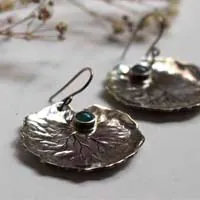
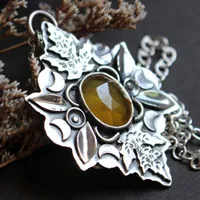
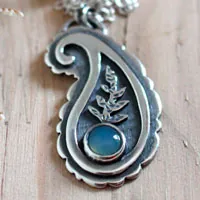
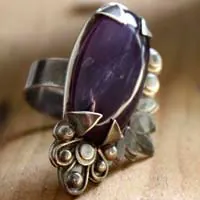
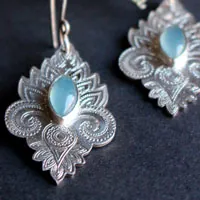
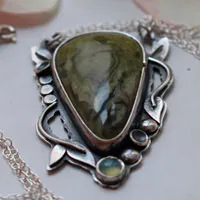
Chalcedony jewelry samples

(≈ 244.53 195.39 USD)

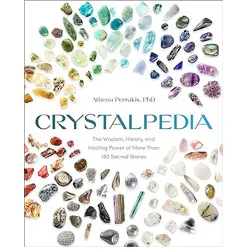
To learn more about litotherapy, we recommend you the following books:


OUR SERVICES
Customer reviews
Custom order
FAQ
Free shipping
Terms and conditions