






Onyx: history, healing properties and lithotherapy
Onyx properties
The term "onyx" originates from the ancient Greek word "onux," (ὄνυξ) which literally means "claw" or "nail." This name might reference the translucent appearance of certain specimens, whose flesh-toned hues resemble the texture and color of human nails.
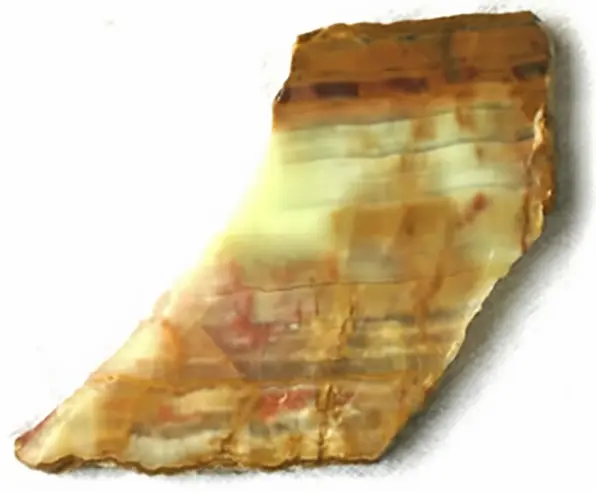
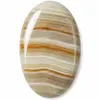
A precious stone belonging to the chalcedony family, onyx is primarily composed of silicon. Its structure is characterized by distinct bands, often in black and white, although its shades can vary infinitely, excluding purple and blue.
On the Mohs scale, onyx has a hardness of 6.5 to 7, making it relatively resistant to scratches, though it remains softer than stones like sapphire or diamond. This moderate durability makes it suitable for everyday use in jewelry, while requiring some care to avoid heavy impacts or abrasions.
The density of onyx typically ranges between 2.6 and 2.7, which is common among chalcedonies. Its luster is described as vitreous to silky, contributing to its aesthetic appeal when polished. Additionally, its fracture is conchoidal, a characteristic shared by silica-rich stones, resulting in smooth, curved surfaces when broken.
The regularity of the colored bands in onyx has fascinated ancient civilizations, which utilized its qualities for artistic creations and valuable objects. This stone is particularly well-suited for carving and engraving, especially for the production of cameos and intaglios. Roman and Greek artisans excelled in these techniques, exploiting the layered structure to highlight intricate relief patterns.
Similarly, sardonyx, a specific variety of onyx, is distinguished by hues ranging from red to brown. This unique variety has also captured the interest of collectors and art enthusiasts for its distinctive beauty and diverse applications in jewelry and decorative items.
For centuries, dyeing techniques have been used to enhance the natural appearance of onyx. These processes typically involve chemical baths or heat treatments aimed at accentuating or altering its tones. Black onyx, in particular, is often achieved through artificial coloring to meet the demand for jewelry with a timeless and elegant appearance. While this practice is common, it occasionally sparks debates among natural stone enthusiasts regarding the authenticity of the stone in its modified form.
Today, onyx remains a versatile stone, used in both craftsmanship and decorative or architectural contexts. Its understated beauty and endless possibilities for enhancement continue to captivate across eras.
Main deposits: Brazil, Argentina, Mexico, the United States, Iran, Italy, Switzerland, Russia and India.
History, legends and beliefs about onyx
In ancient Egypt, the use of onyx dates back to the Second Dynasty, where skilled artisans carved bowls, vases, and other artifacts from this precious stone. Its presence in royal tombs highlights its symbolic significance and its association with the afterlife. Considered a noble material, onyx was valued not only for its aesthetic qualities but also for its perceived protective properties in funerary contexts.
During the Minoan era in Crete, sardonyx, a variety of onyx, was particularly prized for prestigious objects. In the opulent palaces of Knossos, it was used to create refined artworks and elaborate ornaments, often employed in religious or ceremonial settings. This stone symbolized power and wealth, reinforcing the status of the elite.
Among the Romans, onyx held a place of high esteem. Pliny the Elder, a renowned naturalist and author, meticulously described two primary varieties of onyx while documenting intricate techniques for its treatment and dyeing to meet the aesthetic demands of the time. These methods included impregnating the white bands with chemical solutions to enhance their color or transform them into a deep black.
A Roman legend, possibly inherited from Greek traditions, offers a mythical origin for onyx. In this tale, as Venus rested, her mischievous son Cupid cut her nails with an arrow. These divine fragments fell to Earth, where the gods, unable to let part of a goddess vanish, transformed them into eternal stones: onyx. This legend underscores the mysticism and beauty associated with onyx.
In biblical texts, onyx also appears as a sacred stone. It is among the twelve precious stones adorning the breastplate of the high priest Aaron, representing the twelve tribes of Israel. In the Book of Revelation, one of the gates of the heavenly Jerusalem is described as being made of onyx, symbolizing purity and eternity.
In Arab cultures, onyx, also known as "El Jaza" or "sadness," reflects a deep emotional connection. Often associated with feelings of melancholy, this stone was seen as a companion during times of mourning and inner reflection.
In Persia and India, onyx was revered for its protective powers. It was firmly believed to ward off the evil eye and negative energies. In these cultures, it was common to place onyx on the abdomen of women in labor to ease their pain, a practice linked to the stone’s soothing and stabilizing qualities. Additionally, onyx was regarded as a regulator of desires, often used by those seeking spiritual or emotional mastery.
In China, onyx carried a very different connotation. Viewed as an omen of misfortune, it was avoided by the local population, who preferred to export it to rid themselves of its presence. Onyx miners were often slaves or individuals forced into labor, as the stone was feared for its supposed ability to attract bad luck and harmful energies.
During the Victorian era in England, black onyx experienced an unprecedented resurgence in popularity. As a symbol of elegance and sobriety, it became a central element of mourning jewelry, which was highly fashionable during a period marked by strict mourning customs. Queen Victoria, who mourned for 40 years after the death of Prince Albert, popularized this trend, where black onyx embodied both the pain of loss and the elegance of tradition.
Healing properties and benefits of onyx
Throughout the long history of humanity, different societies have attributed to onyx various properties, virtues, and interpretations of a curative or symbolic nature. The information presented here is part of a cultural and historical perspective, intended to illustrate the symbolic relationship that has gradually developed between this stone and human civilizations over the centuries. As with the previous examples, these interpretations follow a descriptive, scientific, and historical approach. They do not constitute any therapeutic or medical recommendation and do not reflect our personal beliefs.
- In many traditions, onyx is recognized for its stabilizing qualities in relation to the body. It is often associated with the reorganization and balance of bodily functions, thus contributing to a general harmony between body and mind.
- It is sometimes mentioned as a support for strengthening physical and emotional solidity.
- Onyx is also linked to stability and structure. By reinforcing the bone marrow, bones, and feet, this stone is considered to provide a solid foundation, helping to maintain balanced posture and prevent physical imbalances.
- It is particularly appreciated by those seeking to “keep their feet on the ground” or to strengthen their sense of grounding when facing unstable situations.
- Its soothing qualities are sometimes associated with neurological disorders, such as epilepsy, due to its capacity to reduce nervous excitability.
- In a similar way, it is also mentioned in connection with easing anxieties and concerns related to hypochondria, offering calming emotional support and reinforcing psychological resilience.
- Onyx is often mentioned in the context of supporting hepatic and renal functions, promoting their proper functioning and contributing to the elimination of toxins and the maintenance of internal balance.
- This stone is also associated with joints and physical comfort. It is sometimes evoked for its role in easing arthritic conditions, contributing to the reduction of inflammation and the alleviation of chronic pain.
- It is perceived as encouraging better energetic circulation, thereby supporting joint mobility and flexibility.
- When worn regularly or used during massages with a polished stone, it is valued for supporting joint comfort and bodily regeneration.
- In lithotherapy and in certain cultural traditions, onyx is also mentioned as potentially contributing to the regulation of blood lipids, indirectly supporting cardiovascular balance and overall vitality.
- On a mental and emotional level, onyx is often associated with inner strength, protection, and resilience.
- It symbolizes the ability to overcome emotional challenges and remain focused during difficult moments, offering support in the face of psychological tension and demanding situations.
Healing properties and benefits of black onyx
- The virtues of black onyx are particularly centered on protection and self-control.
- This stone is described as a shield, helping to ward off negative influences and maintain emotional balance.
- It is often mentioned as a valuable support for those struggling with addictions, reinforcing willpower and encouraging impulse control.
- Black onyx is also associated with the strengthening of the immune system and with greater resistance to physical discomforts, such as allergic or inflammatory reactions.
- In certain traditions, it is considered a protective talisman for pregnant women, supporting the harmonious development of the fetus and providing emotional reassurance during pregnancy and childbirth.
Healing properties and benefits of the green onyx
- The virtues of green onyx are more oriented towards vitality and regeneration.
- This stone is mentioned for its beneficial action on the health of the hair, nails, and eyes, while also helping to strengthen their resistance to external aggressions.
- Its calming effect on the kidneys is also mentioned, as well as its potential to prevent or alleviate certain kidney imbalances.
- On an emotional level, green onyx is perceived as a natural calming agent, associated with inner peace and stress reduction.
- It is attributed with the ability to help dispel negative thoughts, restore mental balance, and foster an open attitude towards positive feelings.
- This stone is also associated with regulating digestive functions, relieving stomach discomfort, and maintaining intestinal health.
- Green onyx is sometimes used for its effects on the skin, helping to improve its appearance.



 Please note that all healing properties attributed to stones come from ancient traditions and various cultural sources. This information is provided for informational purposes only and does not constitute medical advice. In case of any health concerns, it is recommended to consult a qualified professional.
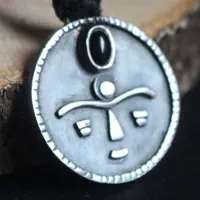
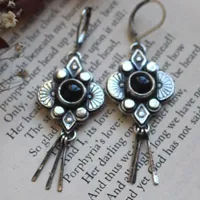
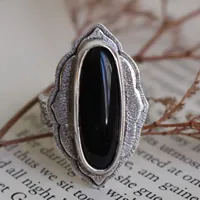
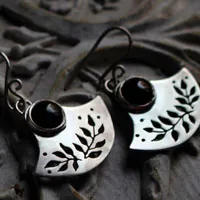
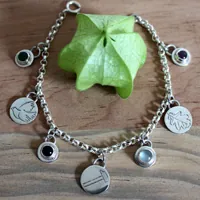
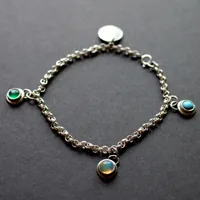
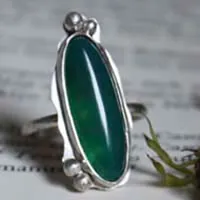
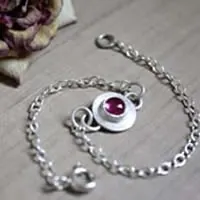
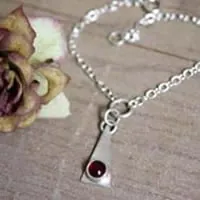
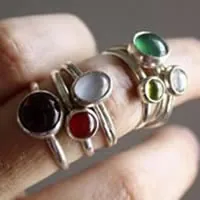
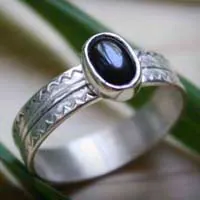
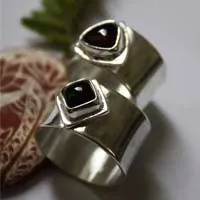
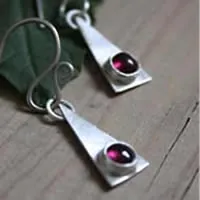
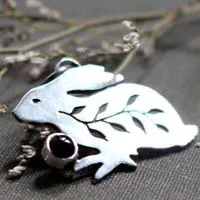
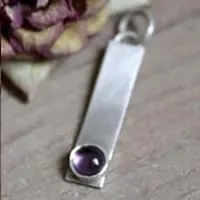
Onyx jewelry samples
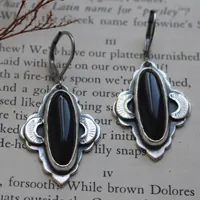
125.00 €
(≈ 146.25 USD)

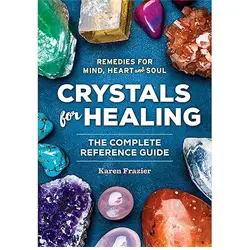
To learn more about litotherapy, we recommend you the following books:

OUR SERVICES
Customer reviews
Custom order
FAQ
Free shipping
Terms and conditions