







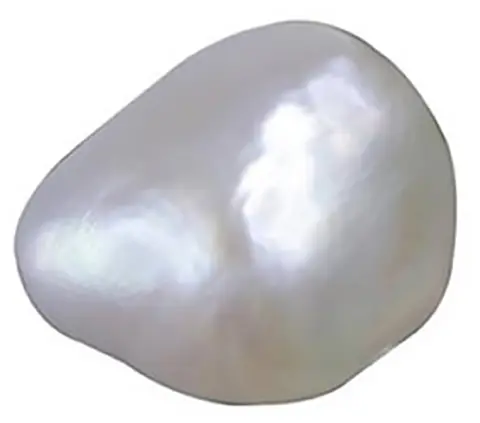
Pearl: history, healing properties and lithotherapy
The properties of natural and cultured pearls
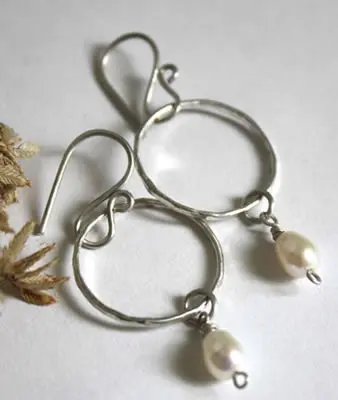
Pearls, whether natural or cultured, are organic gems formed within bivalve mollusks, primarily pearl oysters and freshwater mussels. Their unique luster comes from nacre, a material composed of aragonite crystals arranged in successive layers and bound by conchiolin, a protein that provides flexibility and structural cohesion to the pearl.
Natural pearls form without human intervention when a foreign object—such as a grain of sand, a parasite, or a fragment of shell—accidentally enters the mollusk. To protect itself, the animal gradually coats the intruder with thin layers of nacre, eventually creating a pearl. This process is extremely rare in nature, making natural pearls particularly valuable. Today, they have become scarce on the market due to overfishing and their low occurrence rate.
Cultured pearls, though produced through the same biological mechanism, result from human intervention. A skilled technician, known as a grafter, deliberately inserts a nucleus (a bead of nacre or a piece of mantle tissue from another mollusk) into the oyster, triggering nacre secretion. Depending on the method used, cultured pearls are classified into:
- Saltwater cultured pearls, produced primarily by pearl oysters, including Akoya, South Sea, and Tahitian pearls. These pearls are generally rounder and possess a high luster.
- Freshwater cultured pearls, grown in freshwater mussels and often nucleus-free, allowing them to develop a wide variety of shapes and display natural colors ranging from white to lavender, pink, and orange.
Whether natural or cultured, pearls exist in eight main shapes:
- Round and semi-round, the most sought-after for their perfect symmetry.
- Button-shaped, slightly flattened, often used in bezel-set jewelry.
- Drop and pear-shaped, ideal for pendants and earrings.
- Oval-shaped, an elegant alternative to round pearls.
- Baroque, irregularly shaped and appreciated for their uniqueness.
- Circled pearls, featuring concentric rings on their surface.
Cultured pearls not only vary in shape but also come in a wide spectrum of natural colors, influenced by the mollusk species and environmental conditions. Akoya pearls are typically white or cream with pink overtones, while Tahitian pearls range from gray to black with green or aubergine highlights. South Sea pearls stand out with their golden and silver hues, whereas freshwater pearls exhibit a variety of colors, including white, lavender, peach, and pink.
A pearl’s luster and orient—its ability to reflect light with iridescent overtones—depend on the quality and thickness of the nacre. The thicker and more uniform the nacre, the more durable and resilient the pearl.
As organic gems, pearls have an estimated lifespan of 100 to 150 years, or even longer if properly cared for. They are sensitive to chemicals, acids, and dryness, which can dull their brilliance. To preserve their luster, it is recommended to wear them regularly—since the skin provides natural hydration—and to avoid contact with perfumes and cosmetics.
History, legends and beliefs about pearls
Pearls have fascinated humanity for millennia. Their mysterious luster, rarity, and unique way of forming have inspired myths and legends across civilizations. While their discovery dates back to ancient times, they have long been regarded as divine treasures, symbolizing purity, power, and immortality. Unlike other gemstones, which must be extracted from the earth and cut to reveal their beauty, pearls are among the few jewels that emerge fully formed, giving them an aura of natural perfection.
The exact origin of their first use remains unknown, but archaeological excavations have confirmed their presence in burials dating back at least 5,000 BCE. The oldest known pearl, discovered in a tomb in Iran, is estimated to be from 5,500 BCE. The allure of pearls has transcended cultural and geographical boundaries throughout history.
In many ancient civilizations, pearls were seen as gifts from the gods or as divine tears. The Romans considered them the ultimate symbol of wealth and power. In 55 BCE, Julius Caesar even enacted a law prohibiting the lower classes from wearing pearls, reserving this privilege for the aristocracy. Cleopatra, the queen of Egypt, is said to have dissolved a pearl in vinegar to demonstrate her wealth and grandeur to Mark Antony.
Some civilizations, however, viewed pearls quite differently. Until relatively recently, the Japanese saw them as mere calcareous formations with little value, while Polynesians used them as simple beads, unaware of their aesthetic and symbolic potential.
The ancient tradition of wearing pearls is believed to have originated in India and other parts of Asia, with the Phoenicians playing a crucial role in their trade to Europe. By the 6th century BCE, the Pandya dynasty of southern India controlled pearl fishing in the Gulf of Mannar, a region renowned for its exceptional pearls. The Greek historian Megasthenes described these pearls as among the finest in the ancient world.
China, on the other hand, began intensive pearl harvesting as early as the Han dynasty (206 BCE – 220 CE), using rudimentary cultivation techniques in the South China Sea. Pearls were also highly valued in imperial medicine, often ground into powder and used as an elixir of longevity.
At the same time, the Greeks referred to them as "marguerites," and after the Greco-Persian Wars (5th century BCE), their use became widespread, becoming a symbol of luxury and refinement throughout the Mediterranean basin.
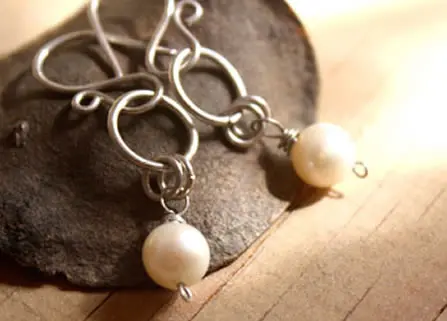
In the Bible, pearls are mentioned several times, particularly in Proverbs and the New Testament. Jesus compares the Kingdom of Heaven to "a pearl of great price" (Matthew 13:45-46), emphasizing their rarity and immense spiritual value.
The Quran also references pearls as a celestial adornment reserved for the blessed in paradise, symbolizing purity and divine perfection.
In Hinduism, pearls hold a spiritual and mystical significance. The Garuda Purana, a sacred text of Hindu mythology, describes nine sacred pearls with symbolic and healing powers. Vishnu, one of Hinduism’s principal deities, is often depicted wearing the kaustubha, a necklace adorned with a divine pearl. Pearls were also used as protective talismans and in purification rituals. They played a role in daily life, such as the 104-pearl necklace worn by the Malabar king, representing the number of morning prayers, or as the divine ornament of Vishnu’s kaustubha necklace.
In traditional medicine, pearl powder was valued for its medicinal properties, believed to aid digestion, calm the mind, and enhance vital energy (prana).
For centuries, pearls were a rare and difficult treasure to obtain. Due to the low natural formation rate, thousands of oysters had to be opened in the hope of finding a single pearl. Pearl diving was a perilous endeavor, especially in the Persian Gulf, the Red Sea, and the Indian Ocean, where rudimentary techniques were used.
The revolution in pearl cultivation began in the early 20th century with Kokichi Mikimoto, a Japanese entrepreneur who perfected the technique of pearl farming by inserting a nucleus into pearl oysters. This breakthrough allowed pearls to be produced in greater quantities, making these gems more accessible. Today, the majority of pearls on the market are cultured, whether freshwater pearls (China) or saltwater pearls (Akoya, Tahiti, South Sea).
Thanks to these advancements, pearls continue to captivate, blending ancient symbolism with timeless elegance.
Main deposits: all around the world, but more particularly in Japan, China, Thailand and Tahiti.
Famous pearls
La Huerfana, also known as "The Orphan," was one of the most remarkable treasures of the Spanish crown. This magnificent pearl, of impressive size, was discovered in the waters of the Gulf of Panama. It was distinguished by its perfectly symmetrical shape and exceptional luster, making it highly prized among royal jewels. Originally owned by Doña Isabel de Bobadilla, the first female governor of Cuba, it was later gifted to the Spanish crown, becoming a symbol of prestige and power. Worn by several monarchs during important ceremonies, it disappeared from official records after the destruction of the palace in a fire in the 18th century. Its fate remains uncertain: some historians suggest it may have been sold or discreetly incorporated into another royal jewel.
The Great Pink Pearl holds the title of the largest natural abalone pearl ever discovered. Sourced from an extraordinary abalone, it is distinguished by its delicate pink hue and iridescent overtones—rare characteristics for this type of pearl. This baroque pearl, weighing 470 carats, was unearthed by Wesley Rankin in California in 1990, marking a turning point in the recognition of abalone pearls as exceptional collector’s pieces. In 1991, it was appraised at an astonishing $4.7 million, a testament to its rarity and exceptional value on the market.
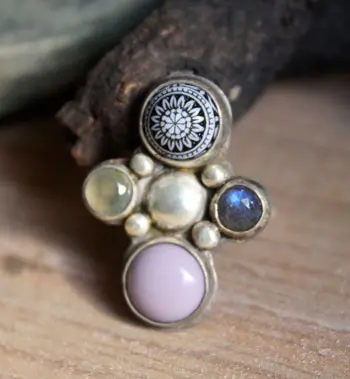
La Peregrina, or "The Pilgrim," remains one of the most legendary pearls in history. Originally discovered in a drop shape, it weighed 55.95 carats, making it the largest of its time. In 1913, after meticulous cleaning and expert polishing, its weight was reduced to 50.96 carats without diminishing its fame.
Its tumultuous story began in the 16th century when an African slave found this precious pearl in the waters of the Gulf of Panama and used it to purchase his freedom. This tale, blending sacrifice and emancipation, adds to the mythical aura of La Peregrina. Through mysterious circumstances, the pearl eventually found its way into the hands of King Philip II of Spain, who presented it as a gift to his new queen, Mary of Spain.
Over the centuries, La Peregrina changed hands multiple times, passing from the Spanish crown to notable figures such as Joseph Bonaparte and Queen Margaret before being acquired by the British Marquis of Abercorn. In 1969, its story took a new turn when actor Richard Burton purchased it for $37,000 as a gift for his wife, the legendary Elizabeth Taylor, further cementing its status in the world of cinema and show business.
Finally, in 2011, this iconic pearl was auctioned for an astonishing $11 million to an anonymous collector, marking yet another chapter in its extraordinary journey through history.
The Abernathy Pearl, also affectionately known as "Little Willie’s Pearl," is a true natural wonder. This exceptional freshwater pearl, renowned as the most perfect ever discovered, was miraculously found in 1967 by a diver named Abernathy in a mussel from the Scottish waters. Its remarkable luster, smooth surface, and near-perfect shape astonished all who beheld it, showcasing a level of quality rarely seen in freshwater pearls, which are often more irregular in shape and have a less pronounced sheen.
This extraordinary discovery sparked great interest among gemologists and jewelers, who saw in it the untapped potential of Scottish pearls. Despite extensive efforts to find other specimens of similar quality, no pearl of such perfection was ever rediscovered in Scotland, further elevating its legendary status in the pearl industry. Meanwhile, smaller pearls, though less spectacular, were commercially harvested until the local mussel populations were depleted, marking a period of intensive resource exploitation often at the expense of preserving these exceptional natural treasures.
The Pearl of Allah, also known as the Pearl of Lao Tzu, remains a marine wonder of unparalleled significance. Discovered in 1934 off the coast of Palawan, Philippines, this colossal pearl is tied to the tragic fate of a diver who lost his life upon its discovery. Its name, blending references to Allah and Lao Tzu, reflects the universal admiration it inspires, transcending cultural and religious boundaries.
Rescued from the depths, it was named by the island’s emir in tribute to its magnificence, thus becoming the legendary Pearl of Allah. Weighing an astounding 6.4 kilograms and possessing an irregular shape shaped by extreme marine conditions, this pearl stands out for its sheer volume and imposing presence, making it one of the most remarkable treasures ever found in the ocean.
In 1939, this rare pearl was gifted to Wilburn Dowell Cobb in gratitude for his heroic act of saving the emir’s son—an event that further cemented its legendary status. Its historical significance and immense value were confirmed in 1980 when Cobb’s heirs sold it for 1 million francs to the renowned jeweler Peter Hoffman, marking a turning point in its commercial and symbolic recognition.
The story of the Pearl of Allah reached its peak in 2006, when its value was appraised at a staggering $61,850,000. This impressive figure not only reflects its rarity and exceptional beauty but also its legendary status among the greatest marine treasures. Today, the Pearl of Allah remains an emblem of Eastern mysticism and natural magnificence, captivating collectors and art enthusiasts from around the world.
The Gogibus Pearl remains an invaluable treasure in the history of pearls, recognized as the largest fine pear-shaped pearl ever discovered during the first half of the 17th century in the West Indies. Weighing 126 carats, this legendary pearl was reportedly acquired by King Philip IV of Spain from the merchant François Gogibus around the year 1620.
Emerging from the thriving trade routes between the West Indies and Europe, this pearl embodies the refinement and opulence of the era’s commerce. Its majestic appearance and natural luster quickly made it a prized accessory for the monarch, who proudly wore it as a brooch on his hats during official appearances.
The Gresham Pearl, a remarkable gift presented to Queen Elizabeth by the merchant prince Thomas Gresham, embodies both the generosity and ingenuity of its benefactor. Valued at an impressive $15,000 at the time, this precious pearl was offered to the queen under memorable circumstances.
According to legend, Thomas Gresham, a renowned merchant and financier of the era, had the pearl ground into a fine powder, which he then delicately sprinkled over toasted bread, accompanied by a glass of wine. This spectacular gesture was intended to create a striking display, meant to impress the Spanish ambassador and showcase his ability to blend originality with refinement.
This bold act reflected Gresham’s innovative spirit, as he astonished even the highest dignitaries of the court by combining culinary artistry with precious symbolism. By using the pearl in such an unconventional manner, he created an unforgettable moment, forever etched in the annals of Elizabeth’s court, further reinforcing his image as a patron capable of transforming an exceptional jewel into a theatrical performance worthy of the Elizabethan era.
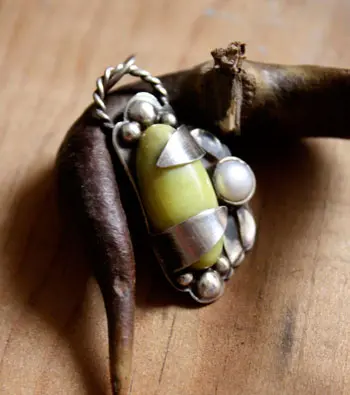
The Pearl of the Valley of Arco, a splendid baroque natural pearl weighing 575 carats, has gained legendary renown through a story steeped in mystery and adventure. According to legend, it was gifted to the Chinese emperor Kublai Khan by the daring explorer Marco Polo himself, as a testament to the extraordinary tales of his travels in the East. This account suggests that the pearl served as a valuable diplomatic gift, an offering meant to seal an alliance or reward the magnificence of the sovereign. Although this richly evocative story fuels the collective imagination, no concrete historical evidence confirms it, leaving the truth shrouded in mystery.
The name of the pearl also reveals another captivating dimension. The Pearl of the Valley of Arco derives its name from its association with two prestigious Austro-German families, the Arco and the Valley. These lineages, renowned for their refinement and influence in aristocratic circles, are said to have helped perpetuate the legend of this exceptional jewel, inscribing its name in history as a symbol of luxury and enigma. Thus, this pearl embodies the intriguing fusion between Eastern legends and European aristocratic heritage, reinforcing its mythical and timeless aura.
The Hope Pearl remains an icon among natural saltwater pearls, celebrated for its impressive 450-carat weight and worldwide renown. Though not perfectly round, its irregular shape lends it a unique character and an imposing presence, measuring between 5 and 10 centimeters in diameter. This geometric singularity, far from diminishing its beauty, enhances its natural charm, giving it the appearance of a masterpiece sculpted by nature’s hand.
Over the centuries, its fame has grown through tales of journeys, royal ownership, and private collections, making it a timeless treasure. As a true emblem of hope and perseverance, it embodies the unique beauty that emerges from imperfection, serving as a reminder that charm often lies in the singularity of each natural creation.
The "Queen of Pearls," a gem of rare beauty, stands out for its perfect roundness and impressive weight of 27.5 carats, a perfection that makes it exceptionally prized in the world of pearl farming. Once integrated into the jewels of the Bourbon royal family, this precious pearl was acquired by Louis XIV in 1669, symbolizing the refinement and power of the French monarchy during the era of absolutism. Indeed, the Sun King, known for his uncompromising taste in luxury, made this pearl a true emblem of the opulence of the court.
For nearly two centuries, the "Queen of Pearls" embodied grandeur and magnificence, adorning royal regalia and taking part in the lavish ceremonies that defined the elegance of the French court. However, the upheavals of the French Revolution, true catalysts of change across Europe, brought an end to this glorious era. In 1791, during the sale of royal assets, this pearl was sold for the considerable sum of 200,000 livres, marking its disappearance from the public sphere and symbolizing the end of the old regime.
Yet, the story of the "Queen of Pearls" does not end there. Speculations persist regarding its ultimate fate. Some historians and collectors claim that after disappearing from official records, it was renamed "Pellegrina," a name evoking its almost mythical journey across ages and continents. According to this theory, it found refuge in the collection of the Zosima family and is said to be currently displayed in a museum in Moscow, holding within it the mysteries and splendor of a bygone past.
Healing properties and benefits of pearls
Throughout the long history of humanity, different societies have attributed to pearls a variety of properties, virtues, and interpretations of a curative or symbolic nature. The elements presented here follow a cultural, historical, and descriptive approach, intended to illustrate the symbolic relationship that gradually developed between pearls and human civilizations over the centuries. As with the previous examples, this information is part of a scientific and historical perspective. It does not constitute any therapeutic or medical recommendation and does not reflect personal beliefs.
- In many traditions, the pearl is associated with sincerity and inner truth. It is often described as a stone encouraging honesty, transparency, and more authentic communication. This symbolism extends to human relationships, where the pearl was perceived as a support fostering mutual trust, easing tensions, and helping to resolve conflicts through a more balanced and thoughtful expression of oneself.
- Within traditions related to vision, the pearl has long been regarded as a companion to eye-related discomforts. Some cultures attributed to it a role in improving visual clarity and reducing eye strain. It was sometimes mentioned as a means of soothing visual discomforts such as irritation, eye infections, or deeper conditions like cataracts.
- In traditional interpretations connected to the heart, the cultured pearl is frequently mentioned as an object associated with cardiovascular harmony. It has been evoked in relation to palpitations, the promotion of smoother blood circulation, and the support of balanced blood pressure, reflecting a broader search for stability and regulation of vital rhythms.
- In lithotherapy and certain traditional medical systems, the pearl has also been used as a support for digestive discomforts. It was associated with balancing the gastrointestinal system, promoting more harmonious digestion, and improving abdominal comfort, contributing to an overall vision of bodily well-being.
- The pearl is also frequently associated with reproductive capacities and the cycles of life. In various cultures, it was incorporated into rituals or practices intended to support fertility and fecundity. This association reflects a view of the pearl as a symbol of birth, gestation, and renewal, offering hope and support to couples seeking conception.
- Some traditional currents have attributed to the pearl a role in accompanying mood-related disorders. It has occasionally been mentioned in contexts linked to emotional instability, including cyclical or contrasting states such as bipolarity, where it was perceived as a support encouraging mental calm, moderation of emotional extremes, and the pursuit of a more lasting inner balance.
- The cultured pearl is also mentioned in traditions related to the urinary system. It was associated with proper kidney function and bodily purification processes, supporting the elimination of waste and the regulation of bodily fluids within a holistic approach to internal balance.
- Its anti-inflammatory properties have been highlighted in certain traditional uses related to joint pain, arthritis, and rheumatism. The pearl was also associated with the lymphatic system, which it was believed to support in its drainage and elimination functions, contributing to a general feeling of lightness and well-being.
- Owing to qualities perceived as gentle and soothing, the pearl has also been associated with skin health. It has been mentioned in contexts aimed at calming skin inflammations, soothing certain dermatological conditions, and supporting cellular regeneration processes. This symbolism helps explain its historical and contemporary use in cosmetic preparations, particularly those related to skincare and beauty rituals.
- Beyond the pearl itself, mother-of-pearl, the organic material from which it originates, has also held an important place in traditions. It has been associated with protective and regenerative qualities, the stabilization of internal balances, and the strengthening of the body’s defenses. Mother-of-pearl was also perceived as promoting a sense of calm, harmony, and protection, in connection with its marine origin and iridescent sheen.



 Please note that all healing properties attributed to stones come from ancient traditions and various cultural sources. This information is provided for informational purposes only and does not constitute medical advice. In case of any health concerns, it is recommended to consult a qualified professional.
Pearl jewelry samples

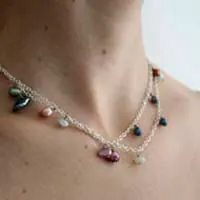
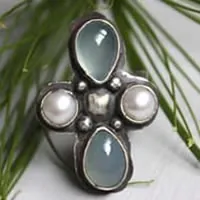
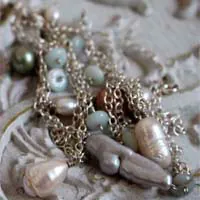

To learn more about litotherapy, we recommend you the following books:


OUR SERVICES
Customer reviews
Custom order
FAQ
Free shipping
Terms and conditions