







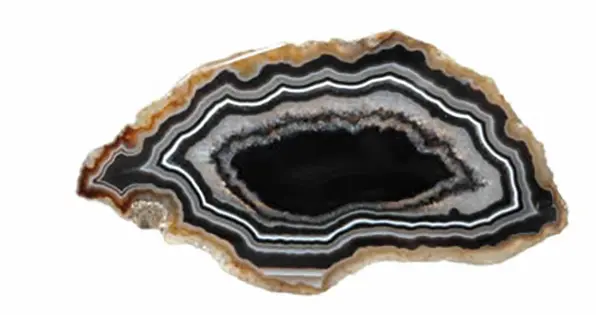
Black agate: history, healing properties and lithotherapy
Black agate properties
Black agate is a variety of chalcedony, a microcrystalline form of quartz, distinguished by its deep, uniform dark tones.
These shades are primarily due to the presence of iron and manganese impurities within its structure. Unlike some other types of agate, black agate is often more uniform in color, but it can also display subtle bands of gray and black, adding an intriguing visual dimension.
History, beliefs, and legends of black agate
Black agate has a long history of use across various cultures for its supposed protective properties.
In ancient times, it was often worn as a talisman to ward off negative influences and malevolent forces. It was also believed to offer protection against curses and hexes.
In India, black agate is sometimes associated with Kali, the goddess of destruction and rebirth, symbolizing protection and renewal. In certain traditions, it is also used to strengthen spiritual grounding and emotional stability, helping individuals navigate periods of personal transformation.
Healing properties and benefits of black agate
Throughout human history, black agate has been associated with various properties, virtues, and symbolic uses. The information presented here is framed from a cultural and historical perspective, aiming to illustrate how different societies have perceived this stone over time. As with the previous entries, this account is documentary in nature and does not constitute therapeutic advice or reflect personal beliefs.
- Black agate is often noted for its traditional connection to supporting bones and joints, contributing to mobility and physical strength.
- It is also mentioned in some accounts for its supposed role in relieving headaches.
- In several traditions, this stone has been linked to skin care, offering support against various skin conditions.
- Black agate is sometimes considered a support against dizziness, enhancing physical stability and a sense of grounding.
- Certain cultural sources associate it with fertility and the well-being of reproductive organs, suggesting a accompaniment in journeys of conception and motherhood.
- It is also mentioned in connection with supporting women during menopause, helping to ease certain discomforts associated with this transitional period.
- In some traditions, black agate is cited for its support regarding breast health.
- Finally, it is useful to complement this perspective with the general virtues attributed to all agates, to gain a holistic understanding of the symbolism and benefits of this precious stone.



 Please note that all healing properties attributed to stones come from ancient traditions and various cultural sources. This information is provided for informational purposes only and does not constitute medical advice. In case of any health concerns, it is recommended to consult a qualified professional.
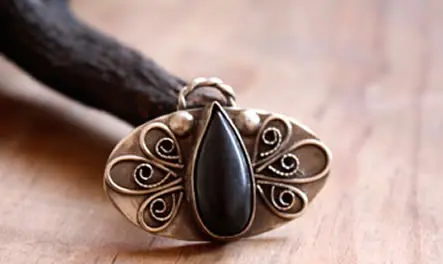
Black agate jewelry samples
Sold
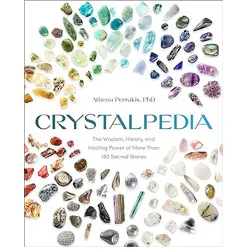
To learn more about litotherapy, we recommend you the following books:


OUR SERVICES
Customer reviews
Custom order
FAQ
Free shipping
Terms and conditions