






Aventurine: history, healing properties and lithotherapy
Aventurine properties
The origin of the name "aventurine" dates back to the accidental discovery of a particular type of glass in 18th-century Italy. The name comes from the Italian word "ventura", meaning "random" or "lucky". According to the story, an Italian glassmaker accidentally dropped copper filings into molten glass, thus creating a new type of crystal, very similar in color to the natural stone. This unexpected discovery was seen as a stroke of luck, hence the name "aventurine," associated with chance and fortune.
Also known as "Prase", derived from the Greek word meaning "leek," in reference to its distinctive green hue, aventurine offers a wealth of shades and meanings.
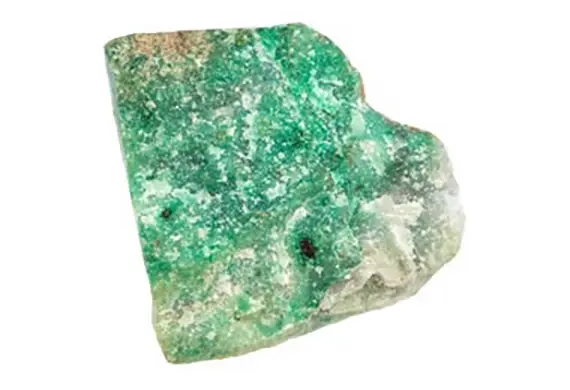
As a variety of quartz, aventurine is distinguished by mineral inclusions, particularly of fuchsite mica and hematite, which create a unique visual effect known as *aventurescence*. This phenomenon manifests as shimmering reflections within the stone, enhancing the visual appeal of the stone.
The color palette of aventurine is captivating and extends well beyond green. While green is the most common hue, thanks to the presence of fuchsite particles, other colors exist depending on the mineral inclusions:
- Green aventurine: derived from fuchsite, a chromium-rich mica.
- Blue aventurine: this rarer variety contains dumortierite, giving it bluish highlights.
- Red-brown aventurine: inclusions of hematite or goethite are responsible for the red or brown tones.
- Orange and yellow aventurine: iron oxides or mica create these warm shades.
The hardness of aventurine ranges between 6.5 and 7 on the Mohs scale, making it relatively durable and suitable for jewelry, although mineral inclusions can sometimes weaken certain parts. Its crystalline structure is trigonal, typical of quartz, and it forms through the cooling of silica in mineral-rich environments, creating the color variations and the shimmering effect.
Stories, legends and beliefs about aventurine
Aventurine, with its deep historical roots, has been used for millennia. Rudimentary artifacts carved from this stone have been discovered in Ethiopia, dating back 2.5 million years, attesting to its early use.
The Etruscans associated it with Thalna, the goddess of childbirth.
The Romans linked it to Mercury, the god of commerce and luck. Roman soldiers sometimes wore aventurine as an amulet for protection in battle and to attract military success.
For the Chinese, aventurine was the sacred stone of Guanyin Pusa, the goddess of mercy, compassion, and unconditional love. It also played a major role in feng shui, where it was used to attract prosperity and promote financial well-being.
The Tibetans used aventurine to carve the eyes of their statues, bestowing them with a unique symbolic power. They also believed that wearing this stone improved vision, particularly for those suffering from myopia.
In Celtic culture, aventurine was seen as a magical stone that allowed connection with the forces of nature. Druids used it to invoke prosperity and strengthen their spiritual powers during rituals.
Today, aventurine is still recognized as the "stone of luck." Its reputation for fostering abundance, calming emotions, and supporting personal growth endures. Used as an amulet or in modern spiritual practices, it continues to captivate and bring a positive aura to those who wear it.
Main deposits: Russia, Brazil, Chile, Japan, Tanzania and India.
Healing properties and benefits of aventurine
Throughout the long history of humanity, aventurine has been surrounded by multiple meanings, to which various civilizations have attributed virtues, beneficial influences, or symbolic qualities. The information presented here is offered from a cultural and historical perspective, intended to illustrate how this stone has been perceived, interpreted, and valued over the centuries. As with previous elements, this account is documentary in nature, without therapeutic claims or adherence to particular beliefs.
- Recognized in several traditions for its supposed effects on cardiac health, aventurine is often described as a support for cardiovascular well-being, accompanying the notion of a more balanced and harmonious blood circulation.
- By promoting the growth of children and premature infants in some ancient accounts, it appears as a stone associated with the protection of physical development and the idea of harmonious flourishing.
- Its stimulating role in cellular regeneration is regularly mentioned in naturalist literature, making it a stone traditionally connected to healing, tissue revitalization, and, according to some accounts, support for the recovery of fractures.
- In various popular traditions, aventurine is valued for its link to elimination systems: it is thus cited as a support in urinary problems, infections, prostate disorders, or hemorrhoids, illustrating its association with the proper functioning of the urinary system.
- It is also mentioned for its soothing effect on certain neural disorders and insomnia, contributing, in these traditions, to a better mental balance and a more restful sleep.
- Thanks to its energy described as gentle and calming in different corpora, it is seen as a means to reduce tension, temper anxiety, and strengthen emotional resilience in the face of fear and situations of inner imbalance.
- Dubbed the “stone of optimism” in several contemporary currents, it is associated with positive energy, said to encourage joy, renewal, and a clearer state of mind, making it a stone frequently referenced for periods of prolonged stress.
- Its protective role against electromagnetic pollution is often cited in modern approaches, where aventurine is regarded as a shield against emissions from mobile phones and electronic devices, reflecting the contemporary search for a healthier environment.
- In the form of an elixir, it appears in some traditions as beneficial for supporting skin issues such as eczema, acne, and other dermatological conditions, illustrating its long-standing association with purification, soothing, and bodily balance.
- Aventurine is also linked in several cultures to luck and new ventures, an ancient theme that associates this stone with prosperity, open-mindedness, and gradual success in daily projects.
- Finally, it is thought to foster harmony between heart and mind, echoing conceptions that considered it a stone of inner reconciliation, relational calm, and emotional clarity—a vision that has persisted through different eras and continues to influence how it is perceived today.



 Please note that all healing properties attributed to stones come from ancient traditions and various cultural sources. This information is provided for informational purposes only and does not constitute medical advice. In case of any health concerns, it is recommended to consult a qualified professional.
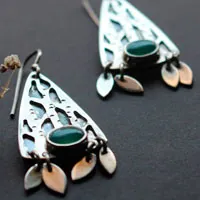
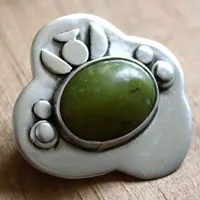
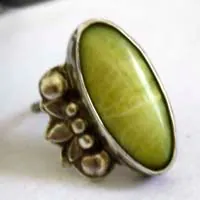
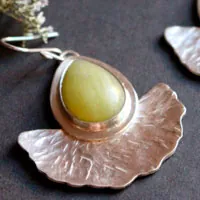
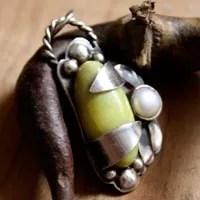
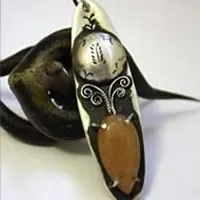
Aventurine jewelry samples
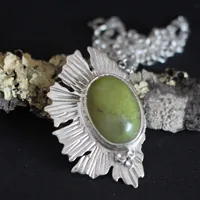
144.00 €
(≈ 167.04 USD)

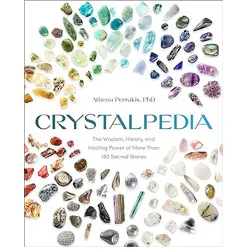
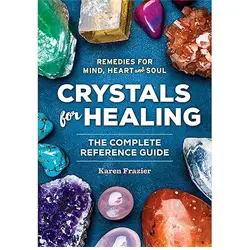
To learn more about litotherapy, we recommend you the following books:

OUR SERVICES
Customer reviews
Custom order
FAQ
Free shipping
Terms and conditions