






Turquoise: history, healing properties and lithotherapy
Turquoise properties
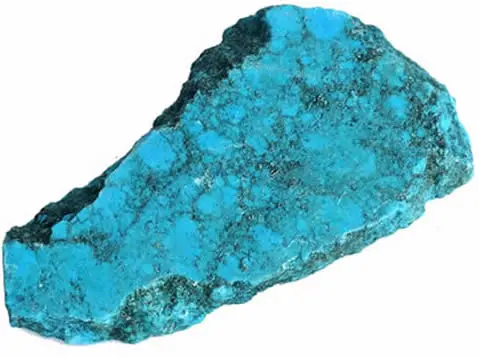
Turquoise, a precious gemstone with blue-green hues, derives its name from the French term "pierre turque," dating to the 16th century. This name refers to the trade route that transported the stone from Persia (modern-day Iran) to Europe via Turkey. Its history is closely tied to the Crusades, a period during which it gained popularity in Europe. However, its use dates back much further, particularly among the Egyptians, Persians, and Native American peoples, who regarded it as a sacred stone.
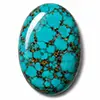
From a mineralogical perspective, turquoise is a hydrated phosphate of copper and aluminum (CuAl₆(PO₄)₄(OH)₈·4H₂O). Its color ranges from sky blue to green, depending on its copper content (which gives it a blue hue) and iron content (which shifts it towards green). Sometimes, inclusions of limonite or veins of host rock create dark patterns known as "spiderweb," characteristic of certain varieties such as Bisbee turquoise (Arizona) or Tibetan turquoise.
Turquoise is a relatively soft stone, with a hardness of 5 to 6 on the Mohs scale, making it sensitive to impacts, heat, and chemicals. It tends to dehydrate and lose its luster over time if not properly cared for. To enhance its stability and color, some turquoises are treated with resin or wax, a common practice in the jewelry industry.
Its rarity and quality have made it a highly sought-after gemstone for centuries. However, growing demand has led to the introduction of numerous imitations, sometimes difficult to distinguish from genuine stones, even for experts. As early as the Egyptian era, blue silica-based faience substitutes were crafted to replicate its appearance. Today, modern techniques have refined these imitations using various materials:
- Reconstituted turquoise: made by compressing fragments of natural turquoise into a powder and binding them with resin.
- Treated turquoise: a lower-quality stone impregnated with resin or wax to enhance its color and durability.
- Synthetic turquoise: in 1972, Pierre Gilson developed a synthetic turquoise nearly indistinguishable to the naked eye, perfectly replicating the veins and color of natural turquoise. Only chemical analyses can differentiate it.
- Mineral imitations: howlite and magnesite, naturally white and porous, are often dyed blue to mimic turquoise. Other minerals, such as variscite, faustite, or certain types of chalcedony, can be mistaken for turquoise, though their chemical compositions differ.
- Artificial imitations: materials such as plastic, porcelain, or colored glass are also used to imitate turquoise at a lower cost. "Viennese turquoise," for example, is made by compressing aluminum phosphate, while "neolithic turquoise" is a blend of bayerite and copper phosphate.
Experts use various methods to identify genuine turquoise, including magnified examination, acid testing (which reacts differently depending on composition), and spectroscopic analysis in laboratories.
Main deposits: Tanzania, the United States, Egypt, Iran, Israel, Turkey, Mexico and China.
History, legends and beliefs about turquoise
Turquoise played a significant role in many ancient cultures. It was revered by Egyptian rulers, the Aztecs and other pre-Columbian civilizations, as well as by the Persians, Mesopotamians, Indians, and Chinese.
Turquoise mining in Iran dates back over 2,000 years. Formerly called "Pirouzeh," meaning "victory" in Persian, it was renamed "Firouzeh" after the Arab conquest. This deposit contains stones of a deep blue hue, though they can turn green when exposed to heat.
In the Persian Empire, turquoise was considered a protective talisman against natural death when worn around the neck or as a bracelet. Belief in its power was so strong that any change in its color was seen as an omen foretelling great misfortune.
Iranian palaces are often adorned with turquoise, symbolizing the sky on earth—an emblematic representation of divine beauty and power.
Since the First Dynasty of the pharaohs, the Egyptians mined turquoise from the Sinai Peninsula, where the stones are characterized by their greenish tones. This precious gemstone was highly prized and used in various objects, particularly those belonging to the nobility. The most famous example is undoubtedly the funerary mask of Tutankhamun, inlaid with turquoise. Its use in religious and funerary objects highlights its significance in ancient Egyptian culture.
Turquoise was associated with Hathor, the Egyptian goddess of love, beauty, music, motherhood, and joy. It was also commonly used in jewelry and amulets, as it was believed to have protective powers and bring good fortune to its wearer.
In antiquity, turquoise also played an important role in Mesopotamia, where it was valued for its protective properties. The Sumerians and Babylonians used it in amulets and royal ornaments, believing it brought divine favor and protection against curses.
Among the Scythians, a nomadic people who roamed the Eurasian steppes in antiquity, turquoise frequently adorned the weapons and jewelry of warriors. It symbolized power and protection, and it was believed to make the wearer stronger and more resilient in battle.
Turquoise entered Europe via Turkey, where it held particular significance for Turkish horsemen, who believed it protected their horses from falls. It was also used as a talisman to safeguard travelers from the dangers of the road.
The Roman scholar Pliny the Elder referred to turquoise as Callais, a name derived from the city of Callaïs in Asia Minor, which was renowned for its turquoise mines.
Turquoise is thought to be one of the stones on the Breastplate of Aaron described in the Bible (Exodus 28), depending on different interpretations. In Jewish tradition, each gemstone on Aaron’s breastplate represents one of the twelve tribes of Israel. Turquoise, associated with the tribe of Zebulun, symbolizes the sea and the sky, evoking divine protection and spiritual guidance.
On the American continent, the Aztecs called turquoise Teoxihuitl. It was used in the creation of numerous ceremonial objects, often in intricate mosaics combining turquoise with gold, quartz, malachite, jade, and coral. Notable artifacts include masks (some built on human skulls), knives, and shields.
In what is now the United States, it is believed that the production of turquoise jewelry, particularly amulets, was a primary craft and economic activity of the Pueblo Indians, especially the Anasazi. The recognized use of turquoise among other tribes, including the Navajo, is thought to date only to around 1880 under European influence.
The Apache and Navajo peoples linked turquoise to Estsanatlehi, the goddess of change, also known as the "Turquoise Woman," who represented the seasons. The Apache believed that if a turquoise stone was attached to a warrior’s bow or rifle, he would never miss his target. For the Lakota Sioux, turquoise was associated with Whope, the goddess of peace. The stone was often used in healing and purification rituals, as it was believed to possess curative and soothing properties.
In Tibet, turquoise holds profound spiritual significance and is one of the "seven treasures" of Tibetan Buddhism. It is frequently embedded in malas (prayer beads) and ritual ornaments. Unlike the deep blue Persian turquoises, Tibetan turquoises are generally veined and greenish, which is especially valued locally. The stone is seen as a symbol of prosperity, health, and protection against misfortune.
Mongolian cultures also revered turquoise, particularly among chiefs and shamans, who wore it as jewelry to invoke the protection of spirits and ensure the prosperity of their clan. Many artifacts from the time of Genghis Khan feature turquoise embellishments.
Turquoise also left its mark on Ottoman culture, particularly in the ornamentation of the sultans’ sabers and daggers. The belief in its protective power was so strong that some warriors embedded the stone directly into the hilt of their weapons.
In Western tradition, turquoise was regarded during the Middle Ages as a protective stone against poison and disease. It was believed to absorb toxins and prevent poisoning, making it highly valued by nobles and alchemists.
In Russia, under the tsars, turquoise was incorporated into numerous crowns and royal ornaments, particularly by Peter the Great and Catherine II. It was associated with luck and the stability of power.
In Europe, turquoise became especially fashionable in the 1800s following archaeological excavations in Egypt, particularly following the discovery of Tutankhamun's tomb in 1922, which revived interest in Egyptian-inspired art. This led to a rise in the Neo-Egyptian style in architecture and other decorative arts, bringing the gemstone into the spotlight.
Healing properties and benefits of turquoise
Throughout history, various civilizations have attributed to turquoise a range of properties, virtues, and uses of a symbolic or curative nature. The information presented here is framed from a cultural and historical perspective, aiming to illustrate the symbolic relationship that gradually developed between this stone and human societies over the centuries. As with previous examples, these elements are based on a scientific and historical approach. They do not constitute any form of therapeutic or medical recommendation and do not reflect personal beliefs.
- Turquoise has traditionally been associated with the potential relief of eye-related issues. According to certain traditions, it is linked to alleviating visual fatigue, reducing irritation, and promoting better blood circulation in the eyes.
- It is also connected to the respiratory system and mucous membranes, believed to support sinus clearance and reduce certain inflammations, particularly in the context of rhinitis or sinusitis, according to historical cultural practices.
- In cardiovascular and respiratory contexts, turquoise has been associated with stimulating the heart and throat. Some historical sources attribute to it the capacity to enhance blood circulation, soothe throat irritations, and support overall respiratory health.
- Turquoise has been perceived as a stone that encourages circulation throughout the body and the release of energetic blockages, contributing to the elimination of toxins and accumulated waste from tissues and organs.
- It has been associated with blood purification, regulation of bodily fluids, and the removal of certain excesses, particularly in traditions aimed at preventing skin conditions such as acne or eczema. Some sources also attribute to it a role in regulating bodily acidity or supporting joint and kidney health.
- The stone has been mentioned in relation to relieving muscle pain and rheumatism, as well as reducing tension and improving tissue flexibility, reflecting a traditional perspective of bodily comfort and vitality.
- Historically, turquoise has been associated with stimulating the pituitary gland and alleviating headaches or migraines, linked to the regulation of hormones and the balance of bodily tensions.
- Certain traditions connect turquoise to the protection of the spine, bronchi, and joints, particularly in support of musculoskeletal or respiratory issues, and to the regulation of hydration and fluid balance within the body.
- On an emotional and psychological level, turquoise has been regarded as a calming stone, thought to promote serenity, reduce stress, anxiety, or feelings of depression. It has also been seen as a support for strengthening self-confidence, mental clarity, and sincere communication.
- It is frequently mentioned across various traditions as a protective talisman against harmful external influences. In some cultural contexts, it accompanied travelers, considered a stone offering protection and a reassuring connection to the environment.
- Finally, certain sources also highlight virtues related to general harmony, creativity, emotional stability, and the ability to regain balance, emphasizing the role of turquoise in supporting physical, emotional, and spiritual vitality.



 Please note that all healing properties attributed to stones come from ancient traditions and various cultural sources. This information is provided for informational purposes only and does not constitute medical advice. In case of any health concerns, it is recommended to consult a qualified professional.
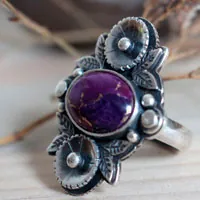
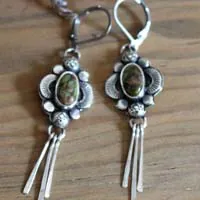
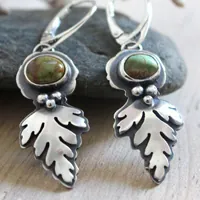
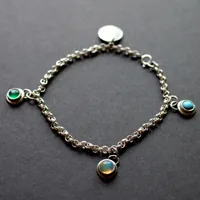
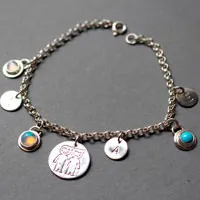
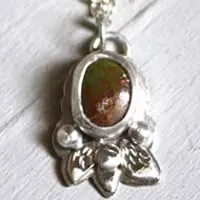
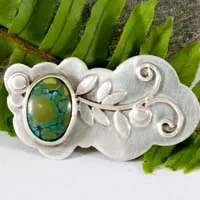
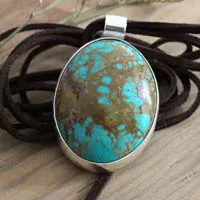
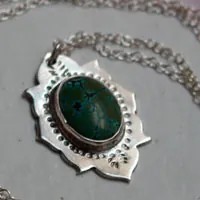
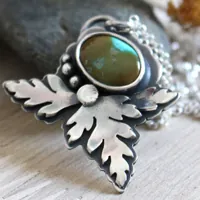
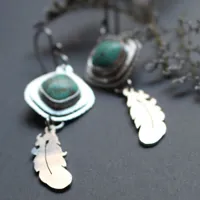
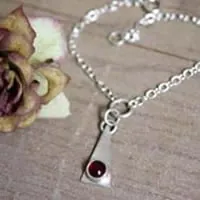
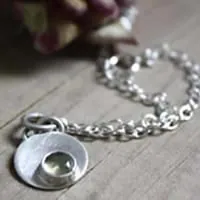
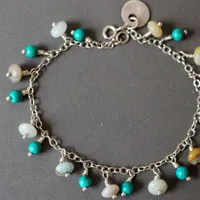
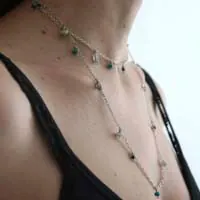
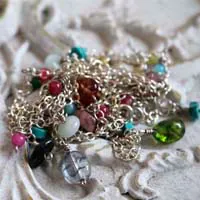
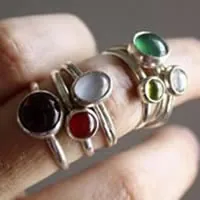
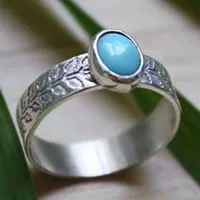
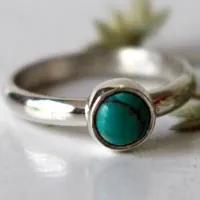
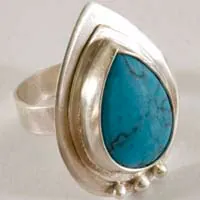
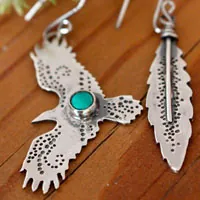
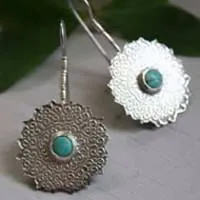
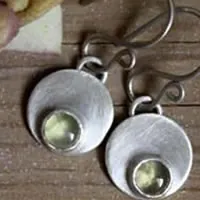
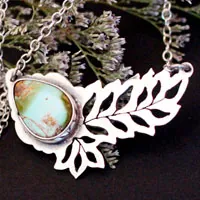
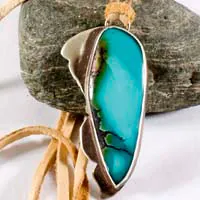
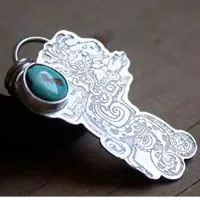
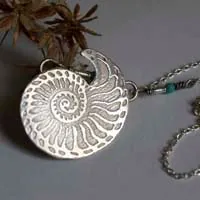
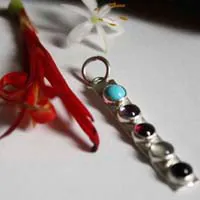
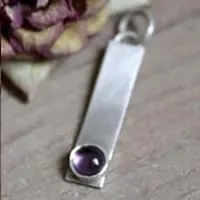
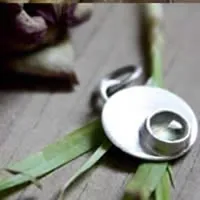
Turquoise jewelry samples
152.00 €
(≈ 173.28 USD)
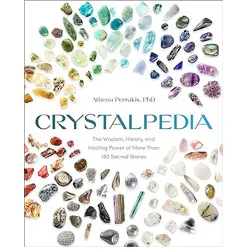
To learn more about litotherapy, we recommend you the following books:


OUR SERVICES
Customer reviews
Custom order
FAQ
Free shipping
Terms and conditions