




Zircon: history, healing properties and lithotherapy

Zircon properties
Zircon is a fascinating mineral composed of zirconium silicate (ZrSiO₄) and belongs to the family of gemstones. It crystallizes in the tetragonal (or quadrilateral) system, giving rise to elegant, well-defined prismatic shapes. Its hardness ranges from 6 to 7.5 on the Mohs scale, which grants it a certain resistance to scratches, though it remains sensitive to mechanical shock due to its conchoidal fracture and inherent brittleness.
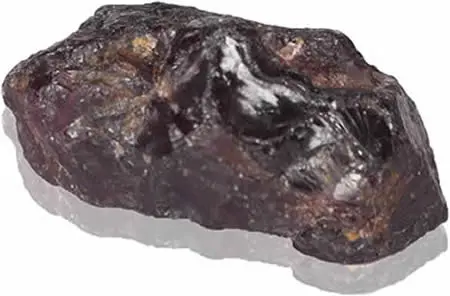
Zircon crystals come in a wide array of colors, including colorless, golden, reddish-brown, green, blue, and black. These hues are the result of trace elements such as iron, uranium, thorium, or rare earth elements. Some colors—particularly blue—can be achieved or enhanced through heat treatment, a common practice that is always disclosed in the ethical gem market.
Often referred to as "Matura diamond" because of its visual similarity to diamond, zircon is a natural gemstone that offers an affordable alternative. When colorless, it can display exceptional brilliance thanks to its high refractive index (ranging from 1.92 to 2.01), which is higher than that of many other gemstones. It also has a strong light dispersion (0.039), giving it a fire close to that of a diamond.
However, zircon’s low resistance to mechanical shock and pressure limits its use. Its high density (between 4.6 and 4.7) is another distinguishing factor, making it noticeably heavier than most gemstones of similar size. These physical and optical properties make zircon a unique but often misunderstood mineral.
It is important not to confuse it with cubic zirconia (zirconium dioxide), a synthetic material that is harder and widely used as an inexpensive diamond substitute. Cubic zirconia is man-made, while zircon is a natural gemstone of ancient origin—some specimens are over 4 billion years old—making it one of the oldest minerals ever identified on Earth.
Despite its richness and beauty, zircon is often undervalued because of its reputation as a diamond substitute.
The name "zircon" has diverse linguistic origins. It may derive from the Arabic zarqûn, meaning "cinnabar," in reference to its red hue, or from the Persian zargûn, which evokes the golden tone of certain varieties. Another theory suggests a Greek origin, from the word ὑάκινθος (hyakinthos), which referred to a violet-colored gem resembling amethyst. This etymology is echoed in the English word "jargoon," which refers specifically to light-colored zircons.
Main deposits: India, the United States, Australia, South Africa, Cambodia, Sri Lanka, Thailand, Myanmar, Nigeria, Tanzania, Brazil, Korea, Madagascar, Mozambique, Vietnam.
Varieties of zircon
Zircon is a gemstone of many facets, available in a stunning array of colors. This diversity of hues is primarily due to impurities present during its formation or to heat treatments aimed at modifying or enhancing its natural shades. Among its most remarkable varieties are:
- Parti-colored zircon, which displays two distinct colors within a single crystal. This rare phenomenon is usually the result of internal chemical variations or differing natural heat exposures over time. These zircons are highly prized for their uniqueness.
- White or colorless zircon, sought after for its resemblance to diamond. When expertly cut, it exhibits intense brilliance and strong light dispersion. In English, this variety is often referred to as jargoon.
- Canary zircon, named after the bird of the same name for its bright, lemon-yellow hue. This vivid color can be natural or enhanced through heat treatment.
- Cinnamon zircon, with warm shades ranging from brown to reddish-brown, sometimes with orange undertones. It is appreciated for its earthy tones and visual warmth, reminiscent of certain spices.
- Ratanakiri zircon, a deep blue stone originating from Cambodia, one of the world’s leading sources of gem-quality zircon. Blue zircon is often obtained by heat-treating brown or red Cambodian zircons.
- Mashewa zircon, a vivid orange variety from Tanzania. This rare gem is sought after for its intense, sunlit color. The Mashewa region is also known for other fine stones, such as tsavorite garnet.
- Star zircon, a deep blue zircon obtained by heating, sometimes displaying a shimmering or star-like optical effect (asterism) under focused light. This rare phenomenon is caused by oriented microscopic inclusions.
- Hyacinth zircon, ranging from yellow to garnet red, is an ancient name mentioned in medieval texts. Its warm tones evoke flames or wine. Some of these zircons contain trace amounts of uranium or thorium.
- Jargon zircon, nearly colorless or pale yellow, derives its name from a possible deformation of zargun (meaning "golden" in Persian). It was used in European jewelry as early as the Middle Ages, often as a diamond imitation.
- Metamorphic zircon, an intense green variety, is named after the unique geological conditions that altered its structure and color during formation. This deep green is rare and especially valued by collectors.
- Pink zircon, soft and feminine, presents a subtler hue than pink sapphire or morganite but is admired for its delicacy. It is often found in Madagascar or Sri Lanka.
- Saffron zircon, with warm and luminous tones, lies somewhere between golden yellow and spicy orange. It is sometimes confused with cinnamon zircon but usually features a brighter tint.
- Starlight zircon, a subtle blue-green variety obtained through heat treatment, owes its trade name to the luminous sparkle it produces under light. This type is particularly favored in contemporary high-end jewelry.
- Green zircon, with a deep and soothing color, can be natural or treated. Its hue is often more saturated than peridot but lighter than emerald. Some green zircons also exhibit mild fluorescence.
The many colors of zircon reflect not only its mineralogical richness but also the evolution of aesthetic preferences and gem treatment techniques over the centuries. Each variety possesses its own distinct charm, whether natural or revealed through human intervention.
History, legends and beliefs about zircon
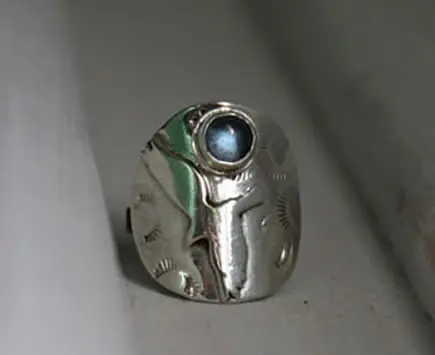
Formed at the same time as our planet, zircon is one of the oldest gemstones on Earth. Some crystals discovered in the Jack Hills region of Australia have been dated to over 4.4 billion years old, making them among the most ancient terrestrial materials ever found. These tiny zircons, embedded in metamorphic rocks, have enabled scientists to reconstruct the earliest stages of Earth’s geological history. Their remarkable resistance to erosion and heat makes them true witnesses to the planet’s origins.
Despite its existence dating back to immemorial times, there is surprisingly little popular mythology or folklore specifically associated with zircon by name. This scarcity is partly due to the historical confusion between zircon and other gems, especially hyacinth, jacinth, and jargon—ancient terms that referred to various similarly colored stones without precise mineralogical distinctions.
Zircon is mentioned in an ancient Hindu poem that describes the mythical Kalpa tree. This tree, of unparalleled splendor, was said to be adorned with fruit made of precious stones and leaves of zircon, creating a dazzling spectacle. It was regarded as the ultimate divine gift, symbolizing wealth, abundance, and heavenly prosperity. This image of a cosmic tree decked in gems illustrates the symbolic importance of zircon in ancient Indian imagination.
According to certain contemporary esoteric traditions, an angel named Zircon is said to have guided Adam and Eve after their departure from the Garden of Eden, offering them a path to knowledge and wisdom. Though this legend is rare, it reflects a deep spiritual connection associated with the name and light of zircon, seen as a guide toward inner clarity.
Zircon, also known by its ancient name Hyacinth, is mentioned multiple times in the Bible. It is described as one of the twelve stones adorning the breastplate of the high priest Aaron, each gem representing one of the tribes of Israel. This tradition lends zircon a sacred and protective dimension. It also appears among the precious stones used in the foundations of the Celestial Jerusalem in the Book of Revelation, where it symbolizes divine purity and eternal light.
In Greco-Roman Antiquity, the name "hyacinth" (from the ancient Greek hyakinthos) likely referred to several reddish-orange or golden-brown stones, including zircon. This terminological ambiguity led to numerous poetic interpretations. The word appears in the writings of authors such as Pliny the Elder, who described stones used in talismans or ornaments for their symbolic powers.
During the Middle Ages, zircon was reputed for its protective virtues and soothing properties. It occasionally appeared in grimoires and alchemical texts, where it was classified among the "noble stones." People believed it promoted deep sleep, warded off evil spirits, and brought wealth, honor, and wisdom to its wearer. It was also recommended to travelers as a talisman against accidents and illnesses encountered on the road.
From the 18th century onward, with the development of modern mineralogy, zircon began to be scientifically distinguished from other stones to which it had historically been linked. German naturalist Abraham Gottlob Werner contributed to its classification, while its high brilliance attracted the interest of European jewelers, who often used it as a diamond substitute.
Finally, zircon is also recognized as one of the birthstones for the month of December, alongside turquoise and tanzanite. In this modern context, it symbolizes purity, inner peace, prosperity, and mental clarity. Its radiant sparkle makes it a favored choice for jewelry associated with wintertime celebrations.
Healing properties and benefits of zircon
Throughout the long history of humanity, various societies have attributed to zircon a range of properties, virtues, and uses of a symbolic or curative nature. The elements presented here are part of a cultural and historical perspective, intended to illustrate the symbolic relationship that has gradually developed between this stone and human civilizations over the centuries. As with previous examples, this information belongs to a scientific, descriptive, and historical approach. It does not constitute medical or therapeutic advice and does not reflect personal or institutional beliefs.
- Zircon is a distinctive stone, both for its brilliance and for its complex chemical composition. Some specimens, particularly the oldest ones, may exhibit slight natural radioactivity, linked to the presence of elements such as uranium or thorium incorporated into their crystal structure. This radioactivity generally remains very low in cut stones intended for jewelry, but it has nevertheless led, as a precaution, to ecommendations for caution in cases of prolonged skin contact or extended bodily exposure, especially with rough stones. This characteristic has also contributed, in certain traditions, to the idea that zircon possesses a particularly intense energy, thought to support regenerative processes and strengthen the body’s natural defenses, notably in the context of serious illnesses.
- Within the field of lithotherapy, zircon is often described as a stone with calming and regenerative qualities. It is sometimes associated with the easing of physical pain, particularly that linked to inflammation or certain viral conditions. From this perspective, it may be used as a support for the repair of weakened cells and for accompanying recovery phases following infection or periods of prolonged fatigue.
- Zircon is also mentioned for its supposed action on the digestive system. Some traditions attribute to it a role in accompanying intestinal infections, by promoting the elimination of toxins, soothing digestive discomfort, and contributing to a more harmonious regulation of intestinal transit. These uses are part of a holistic view of the body, in which digestive balance is seen as fundamental to overall vitality.
- In addition, zircon is sometimes presented as a natural stimulant of vital energy, associated with sensuality and creativity. In this context, it is used to support desire, revive libido, and harmonize the energetic centers linked to emotional and intimate expression. It may thus contribute to strengthening intimacy and emotional connection within a couple.
- On a cardiovascular level, zircon is sometimes recommended with the aim of balancing heart rhythms. Certain approaches attribute to it a role in the regulation of arrhythmias and in soothing palpitations related to stress or anxiety, by fostering a sense of calm, inner stability, and emotional grounding.
- Zircon is also recognized, in some traditions, for its use in relieving muscle cramps and blisters, particularly when applied locally. It is then associated with gradual muscular relaxation and a smoother circulation of bodily energy, helping to reduce accumulated physical tension.
- For women, zircon is frequently mentioned in connection with the accompaniment of painful menstruation and certain hormonal imbalances. It may help to ease uterine spasms, regulate menstrual cycles, and alleviate the physical and emotional tensions associated with premenstrual syndrome, within a gentle and symbolic approach to the female body.
- Its field of action also extends to the respiratory system. Zircon is sometimes associated with the relief of asthma, respiratory allergies, and various bronchial conditions such as bronchitis or persistent colds. It is then perceived as a support during periods of convalescence or in cases of pulmonary fragility, accompanying breathing and the gradual return of energy.
- Zircon is often described as a stone of luminous grounding, capable of balancing without weighing down. It may be used to clarify confused thoughts, dispel illusions, and soften negative mental patterns. In this sense, it supports concentration, intellectual rigor, and thoughtful decision-making, while encouraging a measured and conscious emotional expression.
- During periods of prolonged stress, zircon is frequently recommended to soothe anxiety, calm nervous tension, and restore a sense of inner peace. It is sometimes perceived as an inner reference point for those going through phases of confusion, doubt, or emotional overload, helping them regain clarity and stability.
- Finally, zircon is often regarded as a stone associated with purity and light, symbolically linked to illuminating the shadowed areas of consciousness. It is thought to invite introspection, the search for truth, and a return to what is essential. In certain traditions, it accompanies individuals in search of meaning, supporting them in their journey toward greater coherence, authenticity, and wisdom. It is sometimes associated with an opening to the sacred dimension of existence, fostering alignment with deep values and a heightened awareness, without any supernatural capacity being attributed to it in an absolute way.



 Please note that all healing properties attributed to stones come from ancient traditions and various cultural sources. This information is provided for informational purposes only and does not constitute medical advice. In case of any health concerns, it is recommended to consult a qualified professional.
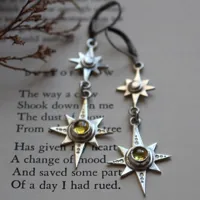
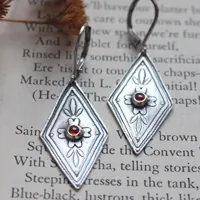
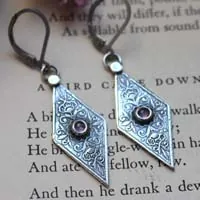
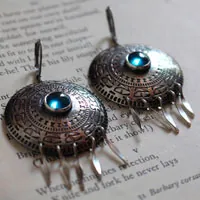
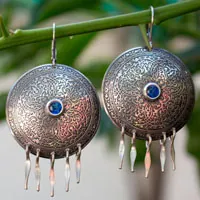
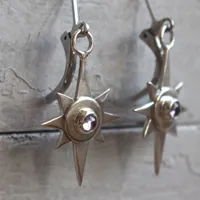
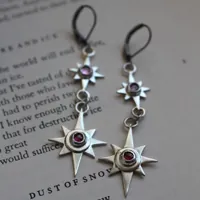
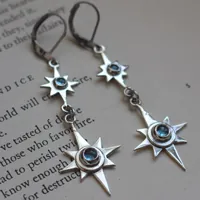
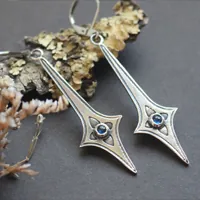
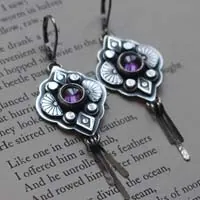
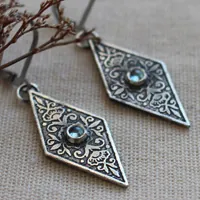
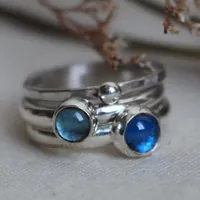
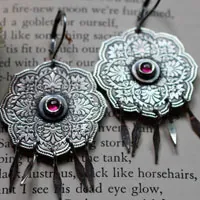
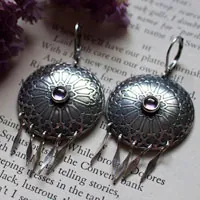
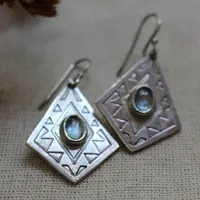
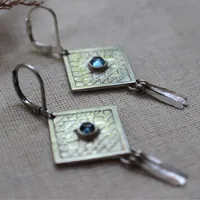
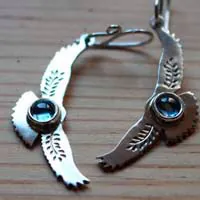
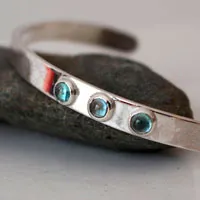
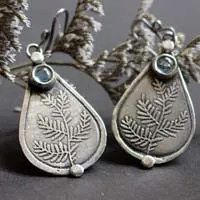
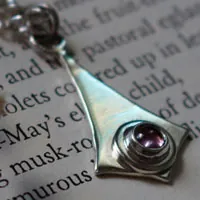
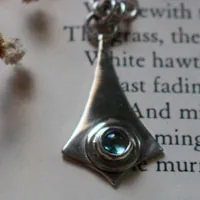
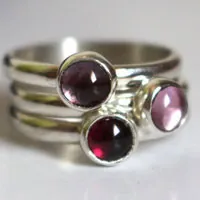
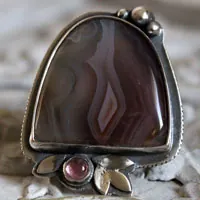
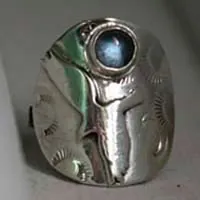
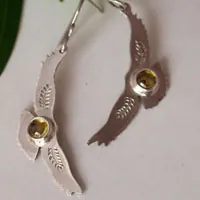
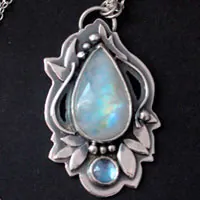
Zircon jewelry samples

89.00 €
(≈ 99.68 USD)




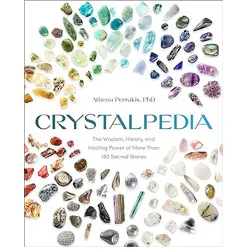
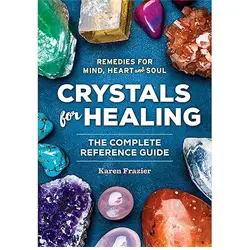
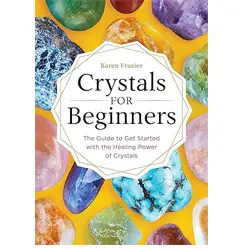
To learn more about litotherapy, we recommend you the following books:
OUR SERVICES
Customer reviews
Custom order
FAQ
Free shipping
Terms and conditions