






Quartz: history, healing properties and lithotherapy
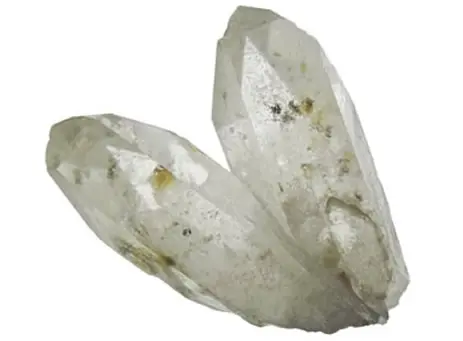
Quartz properties
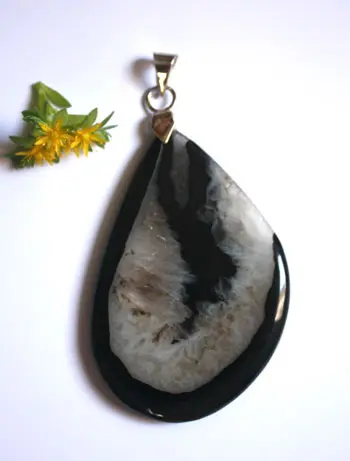
The origin of this gemstone’s name remains shrouded in mystery, and several theories attempt to explain it. It is suggested that "quartz" derives from the term "quaterz" or "quaderz," used until the late 16th century to refer to lower-quality minerals. Another hypothesis mentions a possible origin of the word in the German term "gewarz," meaning "growth" or "sprout." Some linguists also suggest a Slavic root tvǔrdǐ, meaning "hard," in connection with quartz’s resistance, which has a hardness of 7 on the Mohs scale.
During the Middle Ages, all crystals were called "quartz" before Georgius Agricola restricted this designation to rock crystal. Quartz is also known under a multitude of names such as alpha quartz, azetulite, azeztulite, conite, dragonite, konilite, or lodolite. To specifically refer to transparent quartz, the common expression is "rock crystal."
Quartz, belonging to the silicate group, is a crystalline form of silicon dioxide (SiO₂), characterized by a tetrahedral structure where each silicon atom is bonded to four oxygen atoms. This three-dimensional network gives it its great hardness and chemical resistance. There are two main polymorphic forms of quartz:
- Alpha quartz (α-quartz), stable at room temperature and naturally present in igneous, metamorphic, and sedimentary rocks.
- Beta quartz (β-quartz), which forms only at high temperatures (>573°C) and transforms into alpha quartz when cooling.
After feldspars, quartz is the most abundant mineral in the Earth’s crust.
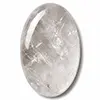
When the term "quartz" is mentioned, the classic image of a translucent or transparent stone often comes to mind. However, the world of quartz extends far beyond, forming a family of stones of dazzling diversity, found on every continent and displaying an infinite range of colors.
The first group includes macrocrystalline quartz, comprising gems such as rock crystal, amethyst, ametrine, aventurine, blue quartz, citrine, milky or snow quartz (quartzite), rose quartz, prase quartz, prasiolite, smoky quartz, Tiger’s Eye, hawk’s eye, and many more. The second group includes cryptocrystalline quartz, among which treasures such as agate, carnelian, chalcedony, chrysoprase, onyx, sard, chert, flint, jasper, heliotrope, and many others can be found. However, this list only scratches the surface of the richness of the quartz world, which includes dozens of recognized varieties, each offering its own beauty and unique properties.
Other notable varieties deserve mention:
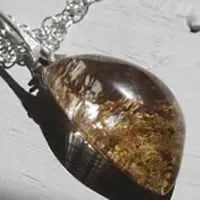
- Rutilated quartz, which contains titanium oxide inclusions in the form of fine golden or silver needles.
- Hematite quartz, tinted red or orange due to the presence of iron oxides.
- Girasol quartz, which has a milky and slightly opalescent glow.
- Cat’s eye quartz, which shows an optical chatoyancy effect due to fibrous inclusions.
Quartz forms in a wide variety of geological environments:
- In igneous rocks, it crystallizes from magma and is notably found in granite and pegmatite.
- In metamorphic rocks, it results from recrystallization under high pressure and temperature, as in quartzites.
- In sedimentary rocks, it is often present in the form of sand grains or flint.
The main deposits of gem-quality quartz are found in Brazil, Madagascar, Switzerland, India, the United States, and Russia.
Thanks to its remarkable solidity and exceptional luminous and electrical properties, quartz is widely used in multiple fields. Whether in construction for durable flooring, in water treatment for its proven efficiency, in the sandblasting industry for its abrasive capacity, or in decoration for its natural beauty, quartz finds its place in many sectors. Its brilliance and clarity make it a preferred choice in jewelry and watchmaking, where it is crafted into sparkling gemstones.
Furthermore, its piezoelectric properties make it an essential component in modern electronics, used in oscillators, sensors, and various precision electronic devices. Due to its transparency to ultraviolet and infrared light, it is employed in the manufacturing of optical lenses and scientific prisms. Synthetic quartz, obtained hydrothermally in laboratories, is also used for electronic and horological applications requiring pure and homogeneous crystals.
Main deposits: you can find it anywhere on earth but it is being especially mined in Madagascar, Brazil, Russia, the United States, South Africa and Tibet.
History, legends and beliefs about quartz
Here, we focus primarily on "pure" quartz or rock crystal, as each member of this vast family of stones has its own story and distinct properties.
Quartz has been revered by most ancient civilizations as an amulet, and its healing properties were recognized as soon as its energetic potential was discovered. The Egyptians, Phoenicians, Celts, Native American shamans, and many others all harnessed the virtues of quartz in their spiritual and healing practices. Indeed, quartz has transcended time, retaining its status as a precious stone imbued with mystery and power, captivating minds across ages and continents.
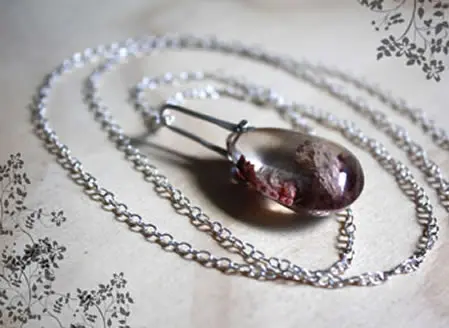
Just like flint, quartz played a crucial role in early human history as a tool for igniting fire. Thanks to its ability to produce sparks when struck against a ferrous substance, quartz was a valuable resource for our ancestors, enabling them to master fire and develop the first combustion techniques. This property also contributed to its use in crafting sharp tools and weapons, further reinforcing its significance in prehistoric societies.
Due to its high hardness and conchoidal fracture, quartz was shaped and sharpened to create arrowheads, scrapers, and various essential survival tools. Evidence of its use can be found in Paleolithic civilizations across the world, particularly in Europe, Africa, and North America, where Indigenous peoples employed it for hunting and cutting.
Quartz has a long history dating back to antiquity. The earliest known name for this gemstone is Kristallos, mentioned by the renowned Greek philosopher Theophrastus around 325–300 BCE. This term, which gave rise to the word crystal, means "ice." At the time, it was believed that rock crystal was actually solidified ice, eternally trapped in this state. This belief explains why it was attributed cooling properties, granting it a special status in ancient rituals and beliefs.
The Greeks had a unique connection with quartz, dedicating it to Gaia, the mother goddess embodying the Earth. This association reflects the deep bond between quartz and nature, as it was considered a sacred and powerful element by this ancient civilization. It was used in various religious and ornamental practices, often crafted into beads, amulets, and votive engravings. It is said that the priests of Apollo used rock crystal spheres to concentrate the sun’s rays and ignite the sacred fire in their temples, further reinforcing its symbolism of purity and divinity.
The Romans, influenced by Greek knowledge, also used quartz to craft finely engraved seals and intaglios, often decorated with mythological motifs or portraits. Some rock crystal artifacts found in Roman ruins attest to the refinement of this use, whether for aesthetic or symbolic purposes.
Additionally, Pliny the Elder, in his encyclopedia Natural History, also described quartz, detailing its forms and uses. He noted that rock crystal was extracted from the mountains, particularly in India and the Alps, and that its perfect clarity made it a prized material for crafting jewelry and decorative objects. He also mentioned the belief that quartz possessed medicinal properties, capable of alleviating fevers and soothing inflammations when worn on the body or immersed in water to infuse beverages with its essence.
According to some interpretations, the diamond mentioned on Aaron’s breastplate in the Bible may, in fact, have been quartz. This hypothesis is based on the fact that, in antiquity, the classification of precious stones differed significantly from what we know today. The Hebrew term yahalom, often translated as “diamond,” could actually refer to another transparent and durable gemstone, such as rock crystal, which was more accessible and commonly used at the time.
Furthermore, in priestly traditions, each stone on the high priest’s breastplate represented one of the twelve tribes of Israel and carried symbolic and spiritual significance. Quartz, with its purity and clarity, would have perfectly embodied notions of divine wisdom, truth, and connection with the sacred. It is also possible that this stone was chosen for its optical and energetic properties, perceived as a channel between the earthly world and the divine.
Some studies also suggest that the lapidary knowledge of the time did not yet allow for the cutting and polishing of diamonds as is done today, reinforcing the idea that the stone in question could have been quartz or another gemstone that was easier to work with. This interpretation thus opens the way for a rereading of ancient texts through the lens of available materials and their symbolism.
Quartz has a long history in the practice of divination. Since the Middle Ages, it has been used to craft the famous crystal balls, a powerful tool for delving into the mysteries of the future. This centuries-old use of quartz in the divinatory arts reflects the enduring fascination with this stone and the belief in its mystical and spiritual potential.
The earliest crystal balls, made from natural quartz, were shaped with extreme care, requiring months of manual polishing to achieve a perfectly smooth and transparent surface. Magi and seers used them to receive visions, convinced that rock crystal, due to its purity and clarity, facilitated the reception of subtle messages from other planes of reality.
This tradition has roots in even older practices. As early as antiquity, the Romans used polished quartz pieces for observing omens, while Celtic druids employed them in clairvoyance rituals. The latter regarded rock crystal as a sacred stone, capable of amplifying spiritual connections and revealing hidden truths.
Over time, crystal balls have become inextricably linked to the image of fortune tellers and oracles. Even today, they remain an iconic symbol of divination, perpetuating a tradition that spans the ages and continues to fuel humanity’s quest for knowledge and enlightenment.
In Europe, during the Renaissance, alchemists regarded quartz as a fundamental element in their research, seeking to harness its energetic and luminous properties. Convinced that this stone held secrets related to transmutation and the quest for both material and spiritual perfection, they integrated it into their experiments aimed at understanding the deep nature of matter.
Quartz, and particularly rock crystal, was perceived as a pure substance, a "celestial body" frozen within earthly matter. Some alchemists believed it contained an essence of light and could serve as a mediator between the visible and invisible worlds. By analogy with the philosopher’s stone, it was sometimes used in attempts to purify metals and in elixirs intended to prolong life or elevate the spirit.
Paracelsus, one of the most renowned physicians and alchemists of the time, attributed therapeutic and symbolic properties to quartz, linking it to the balance of vital forces. He believed that rock crystal could concentrate subtle energies and enhance the body’s natural healing abilities.
This fascination with quartz and its supposed alchemical virtues extended well beyond the Renaissance, influencing esoteric and hermetic movements in the following centuries. Even today, this stone continues to be associated with light, and inner transformation, bearing witness to the legacy left by the alchemists of the past.
Some research suggests that the Aztecs and Mayans used pure quartz to carve human skulls, creating mystical and powerful objects. These skulls, sometimes linked to religious rites or divinatory practices, were considered receptacles of sacred energies and conduits for communication with deities or ancestors.
A persistent legend, possibly dating back to the 19th century, tells of twelve crystal skulls hidden in Mexico during the Spanish conquest. According to this legend, their reunion could lead to the rebirth of the Aztec Empire, as their power was said to be tied to the transmission of ancient knowledge. Some accounts claim that these skulls contain the memory of lost civilizations and that they could reveal forgotten knowledge about the origins of the world and the destiny of humanity.
Later, a thirteenth relic, the "dancing skull," was added to the story. Placed at the center of the circle formed by the twelve other skulls, it was said to have the power to reveal a sacred message and a universal mission to humankind, allegedly transmitted by extraterrestrials or Atlanteans, the supposed creators of these artifacts. Some proponents of this theory argue that quartz, due to its crystalline structure, could store and transmit information, further reinforcing the idea that these skulls contain ancestral wisdom.
Although this legend is often considered a modern myth, it continues to intrigue historians, researchers, and enthusiasts of mysterious archaeology. Some crystal skulls displayed in museums have undergone scientific analysis, revealing more recent manufacturing techniques that suggest a European origin from the 19th century. However, the enigma surrounding these objects persists, fueling speculation about their true nature and potential connection to lost civilizations.
The Iroquois people revered quartz, associating it with Gendenwitha, the goddess of the morning star, a symbol of light and guidance. This connection highlights the significant role of quartz in their spirituality, where it was seen as a link between the earthly world and the cosmos. Quartz was used in various rituals to invoke the protection of spirits and to strengthen the bond between the living and their ancestors.
The Cherokee people also attributed special powers to quartz, believing it could enhance both hunting and divination. Shamans often kept quartz crystals as sacred objects, considering them amplifiers of visions and interpreters of spirit messages. Quartz was also regarded as a talisman capable of attracting luck and ensuring a successful hunt. In some traditions, the stone was "nourished" by being bathed in the blood of the hunted animal—a ritual act meant to reinforce its energy and honor the cycle of life. This practice reflected the Cherokee's deep respect for nature and their belief in the interdependence between humans, animals, and the elements.
The Japanese attributed evocative names to quartz, such as tama or "perfect jewel," imbuing the stone with profound significance. As a symbol of purity and infinity, quartz embodied an eternal and transcendent essence, connected to celestial forces and universal harmony.
Rock crystals were revered as the crystallized breath of the white dragon, a legendary creature representing perfection and ultimate wisdom. According to some traditions, these crystals were seen as condensed spiritual energy, capable of capturing and amplifying the intentions of their bearer. They were sometimes used as protective talismans, believed to guide souls and foster spiritual awakening.
In the Shinto tradition, quartz was also associated with kami, the divine spirits inhabiting nature. It was offered during sacred ceremonies or used as an ornament in shrines, reinforcing its role as a mediator between the human world and the realm of the deities. This belief in the power of quartz persists in Japan today, where it is often incorporated into jewelry or ritual objects to attract good fortune and inner balance.
As for the Aboriginal people of Australia, they maintained a deep connection between quartz and rainmaking rituals, perceiving this stone as a powerful link to both natural and spiritual forces. Used by shamans and tribal elders, quartz was considered a mediator between the sky and the earth, a channel through which spirits could be invoked to influence weather cycles.
Certain quartz fragments, known as maban, were used in shamanic ceremonies, believed to hold sacred power passed down from ancestors or nature spirits. Medicine men utilized these crystals for healing, divination, and communication with the unseen world.
In some Aboriginal traditions, quartz also played a central role in initiation rites, symbolizing the transmission of knowledge and wisdom from elders to younger generations. Its presence in spiritual practices reflected its essential role in maintaining harmony and prosperity within communities, ensuring not only the abundance of rainfall but also the continuity of the sacred bond between humans and their environment.
According to certain intriguing interpretations, the legendary civilizations of Atlantis and Lemuria were believed to have possessed advanced technology based on quartz and its ability to capture, store, and amplify energy. In these accounts, quartz played a pivotal role in energy transmission and the operation of sophisticated devices, contributing to the prosperity and advancement of these civilizations.
Some theories suggest that massive quartz crystals, arranged in networks within pyramidal structures or temples, served as inexhaustible energy sources, powering machines and communication systems far beyond modern understanding. These crystals were thought to interact with the Earth’s electromagnetic fields, channeling natural forces to produce pure, limitless energy.
However, the loss of control over this technology is believed to have led to the downfall of these civilizations. A catastrophic energy overload or the mismanagement of these powerful crystals may have triggered an unprecedented natural disaster, submerging Atlantis and Lemuria beneath the ocean.
According to legend, the inhabitants of these cities, aware of their impending fate, sought to preserve their knowledge by encoding it within "programmed" crystals—stones capable of storing the energy and memory of their civilization. These relics, scattered across the world, are still sought after by those who believe in the possibility of accessing the lost wisdom of the Atlanteans and Lemurians.
This theory continues to fuel collective imagination, sparking both fascination and speculation about vanished civilizations and their enigmatic use of quartz.
Healing properties and benefits of quartz
Throughout the long history of humanity, many civilizations have attributed to quartz a wide range of properties, virtues, and interpretations of a curative or symbolic nature. The elements presented here are part of a cultural, historical, and descriptive approach, intended to illustrate the symbolic relationship that has gradually developed between this stone and human societies over the centuries. As with the previous examples, this information is rooted in a scientific and historical perspective. It does not constitute, under any circumstances, a therapeutic or medical recommendation, nor does it reflect personal beliefs.
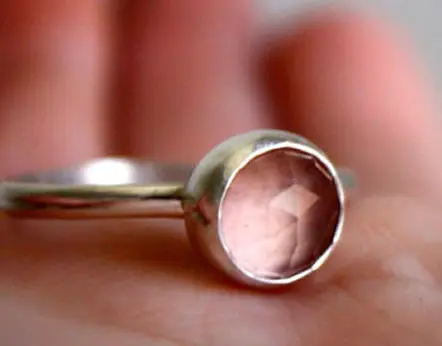
- In many traditions, quartz has been regarded as a major stone, sometimes referred to as the “master of crystals,” due to its particularly stable crystalline structure and its symbolic capacity to encompass the full spectrum of light. This association with light has led to its perception as a stone of general harmonization, used to illustrate balance, clarity, and the unification of the different aspects of being. Its transparency and purity have often been interpreted as symbols of elevation, inner coherence, and the amplification of surrounding dynamics.
- Within traditions related to lithotherapy, gemmotherapy, or lithomancy, quartz occupies a distinctive place as a medium of transmission and channeling. It is frequently described as a stone of “programming,” understood as having the capacity to receive intentions and reflect them back in an amplified form. At the same time, its physical properties have found concrete applications in scientific and technological fields, notably in watches, electronic devices, and energy storage systems, due to its piezoelectric and vibrational behavior. This dual presence, both in symbolic narratives and in technical uses, has contributed to making quartz an emblematic stone, often perceived as a bridge between scientific observation and cultural interpretation.
- In many traditions, quartz is not considered solely for its own qualities, but also as an amplifier of the properties attributed to other stones. It is therefore often combined with other minerals in order to reinforce or harmonize their effects, within a logic of balance and complementarity.
- From the symbolic perspective of overall vitality, quartz has been associated with support for the major physiological systems. Certain traditions evoke its connection with general protection of the body, cellular regeneration, and improved oxygenation of the blood, within a holistic approach intended to illustrate the idea of harmonious circulation and renewal.
- Quartz has also been mentioned in contexts related to the auditory and cardiovascular spheres. It was sometimes associated with the alleviation of ear infections and with strengthening the heart, within traditional readings aimed at supporting bodily stability and endurance.
- In some interpretations, quartz has been linked to the regulation of bodily fluids. In this context, it was evoked as a support for the kidneys and bladder, organs traditionally associated with elimination, fluid balance, and purification.
- The stone has also been associated with the protection and balance of the spine and the central nervous system. Within this framework, quartz was perceived as easing nervous tension, promoting better internal communication, and helping to reduce states of stress and overexertion.
- Some traditions extended this balancing to metabolic and neurological imbalances. Quartz was thus mentioned as a support in contexts related to diabetes or multiple sclerosis, always within a holistic reading focused on harmonization rather than healing.
- In a similar vein, it has sometimes been associated with the accompaniment of autoimmune and inflammatory conditions, illustrating a search for overall soothing and a better balance of the body’s internal responses.
- Quartz has also been evoked in traditions connected to balance disorders, such as migraines, vertigo, or dizziness. It was sometimes associated with countering exhaustion, chronic fatigue, or excessive loss of vitality, within an approach centered on the restoration of energy.
- In traditional accounts, quartz was also used to illustrate the soothing of physical pain, particularly in cases of burns, blisters, or muscle soreness. These uses belong to a reading aimed at calming, protecting, and encouraging a gradual return to balance.
- Beyond bodily aspects, quartz holds an important place in traditions related to mental clarity and concentration. It has been associated with the dissolution of blockages, the improvement of memory, and the reduction of mental confusion. In this context, it symbolizes lucidity, inner alignment, and the ability to organize one’s thoughts, while fostering a sense of calm, harmony, and emotional stability, thereby contributing to the easing of anxiety and stress.



 Please note that all healing properties attributed to stones come from ancient traditions and various cultural sources. This information is provided for informational purposes only and does not constitute medical advice. In case of any health concerns, it is recommended to consult a qualified professional.
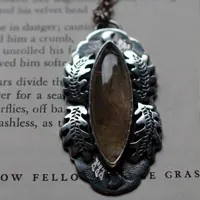
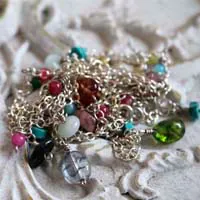
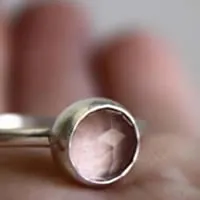
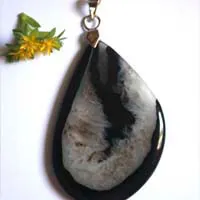
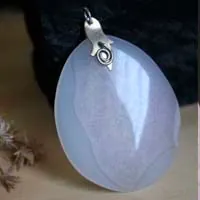
Examples of quartz jewelry
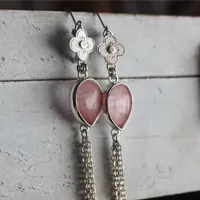
206.00 €
(≈ 234.84 USD)
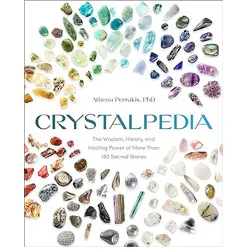
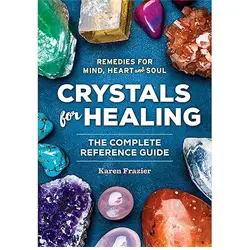
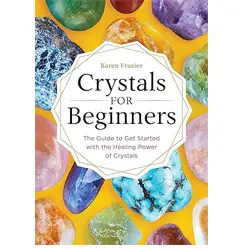
To learn more about litotherapy, we recommend you the following books:
OUR SERVICES
Customer reviews
Custom order
FAQ
Free shipping
Terms and conditions